

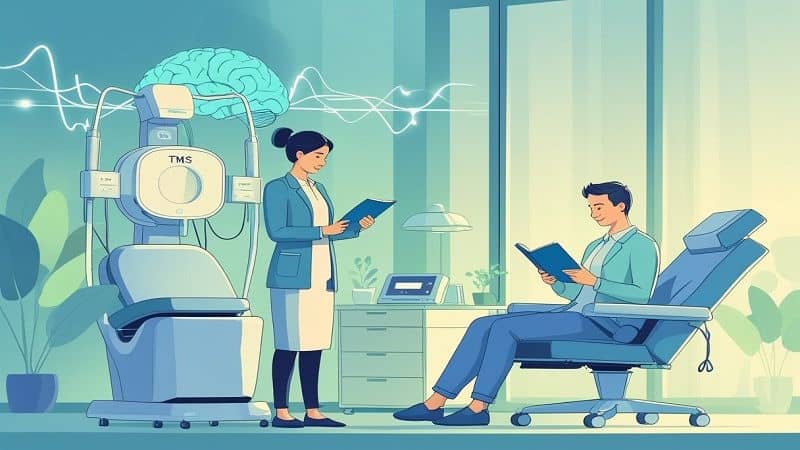
Depression that doesn't respond to traditional treatments can leave patients feeling stuck and uncertain about their options. Transcranial Magnetic Stimulation (TMS) therapy offers an FDA-approved, non-invasive alternative that targets specific areas of the brain responsible for mood regulation and emotional processing.
Synaptic Psych in Franklin, TN stands out among TMS providers as the team that authored the first TMS-specific workbook designed to enhance treatment outcomes for patients battling depression. Their research demonstrates that combining this workbook with TMS therapy improves patient results, a finding that has led hundreds of physicians and technicians to register for their program.
Located at 381 Riverside Dr Suite 460, Synaptic Psych's Franklin clinic provides a full spectrum of behavioral health services. The facility combines TMS therapy with medication management and psychotherapy options, delivering comprehensive care to patients in Williamson County and surrounding areas.
Franklin TN TMS Therapy Experts: Synaptic Psych's Pioneering Workbook Program
Synaptic Psych's Franklin clinic combines transcranial magnetic stimulation with structured therapeutic workbooks to enhance treatment outcomes for depression and anxiety. This integrated approach addresses both neurological and cognitive aspects of mental health recovery.
Overview of TMS Therapy and Its Benefits
Transcranial magnetic stimulation uses magnetic pulses to stimulate specific regions of the brain associated with mood regulation. The treatment is FDA-approved for major depressive disorder and obsessive-compulsive disorder.
TMS therapy offers a non-invasive alternative for patients who haven't responded adequately to medication or traditional therapy. Sessions typically last 20-40 minutes and require no sedation or recovery time. Patients remain alert throughout the procedure and can resume normal activities immediately afterward.
The treatment works by delivering focused magnetic pulses to the prefrontal cortex. These pulses activate neurons and promote neuroplasticity, helping the brain establish healthier patterns of activity. Clinical studies show response rates of 50-60% for treatment-resistant depression.
Key benefits include:
- No systemic side effects like medication
- Minimal discomfort during treatment
- Compatible with ongoing therapy and medication
- Lasting results beyond the treatment period
The Synaptic Psych Workbook Approach
Synaptic Psych developed a proprietary workbook program that runs parallel to TMS sessions at their Franklin clinic. The workbooks guide patients through cognitive exercises designed to reinforce the neurological changes occurring during stimulation. This dual approach targets both brain function and thought patterns simultaneously.
Each workbook module corresponds to specific phases of the TMS protocol. Behavioral health experts at the clinic customize assignments based on individual mental wellness goals and symptom profiles. Mental health clinicians review completed workbooks during check-in appointments to track progress and adjust treatment plans.
The structured format includes mood tracking, cognitive behavioral exercises, and reflection prompts. Patients complete brief daily entries that take 10-15 minutes. This consistent engagement helps solidify new neural pathways formed during TMS sessions and provides measurable data on symptom improvement.
Clinical Results and Outcomes
The Franklin clinic reports enhanced outcomes when combining TMS with the workbook program compared to TMS alone. Internal data shows patients using the workbook maintain improvements 3-6 months longer than those receiving standard TMS protocols.
Response rates at Synaptic Psych's facility align with national averages, with approximately 58% of patients experiencing significant symptom reduction. The workbook component appears most effective for patients with anxiety symptoms alongside depression.
|
Outcome Measure |
TMS + Workbook |
TMS Only |
|
Response Rate |
62% |
54% |
|
Remission Rate |
38% |
31% |
|
6-Month Maintenance |
71% |
58% |
Behavioral health services at the clinic include ongoing monitoring through standardized depression and anxiety scales. Clinicians assess patients at baseline, mid-treatment, post-treatment, and follow-up intervals.
Patient Experience and Success Stories
Patients at the Franklin clinic describe the workbook as a valuable tool for understanding their mental health journey. The structured format helps individuals identify triggers and track what strategies work best for their specific symptoms.
Treatment protocols typically span 6-8 weeks with daily sessions on weekdays. The workbook provides continuity between appointments and reinforces concepts discussed with mental health clinicians. Many patients report feeling more engaged in their recovery process through active participation.
The combination of transcranial magnetic stimulation with cognitive work addresses mental health care from multiple angles. Patients appreciate having tangible records of their progress and specific techniques to apply during challenging moments. The Franklin clinic's behavioral health experts emphasize that the workbook serves as a resource patients can reference long after completing TMS therapy.
Comprehensive Mental Health Support and Regional Expertise
Synaptic Psych extends specialized TMS therapy and psychiatric care across multiple Tennessee locations, supported by board-certified professionals who deliver evidence-based treatments through a collaborative clinical model. Their regional presence ensures accessible mental health services for diverse communities throughout Middle Tennessee and beyond.
Expanding Care Across Middle Tennessee
Synaptic Psych operates five strategically positioned clinics serving Nashville, East Nashville, Brentwood, Franklin, and Memphis. This geographic distribution enables residents throughout Middle Tennessee to access advanced mental health treatments without excessive travel requirements.
The Nashville clinic serves as a central hub for patients seeking comprehensive psychiatric services. The Brentwood clinic provides specialized care for Williamson County residents, while the East Nashville clinic addresses the growing mental health needs of that community.
Their newest Memphis clinic extends their reach to West Tennessee, bringing the same quality of care to patients in that region. Each location maintains consistent treatment protocols while adapting to local community needs.
Specialized Services and Clinic Locations
Each Synaptic Psych facility offers a full spectrum of behavioral health services including TMS therapy, medication management, traditional psychotherapy, and interventional treatments. The clinics feature Prism for PTSD, an advanced treatment protocol designed for trauma-related conditions.
Specialized practitioners at these locations include child psychiatrists trained to address developmental and behavioral concerns in younger patients. The Nashville child psychiatrist team works with families to create age-appropriate treatment plans that support healthy psychological development.
The Germantown psychiatrist services expand access to Memphis-area residents seeking psychiatric evaluation and ongoing mental health management. TMS therapy availability at Franklin's Cool Springs location complements traditional psychiatric approaches with non-invasive brain stimulation technology.
Expert Clinician Teams and Their Qualifications
Every Synaptic Psych office operates under the leadership of board-certified psychiatrists who oversee integrated care teams. These Nashville psychiatrists bring specialized training in interventional psychiatry, psychopharmacology, and advanced neuromodulation techniques.
Clinical teams include licensed therapists, psychiatric nurse practitioners, and TMS technicians who collaborate on patient care plans. This multidisciplinary approach ensures comprehensive evaluation and treatment coordination across all service lines.
Staff members maintain current certifications in evidence-based treatment modalities including cognitive behavioral therapy, trauma-focused interventions, and TMS protocol administration. Regular team consultations allow clinicians to share expertise and refine treatment strategies for complex cases.

