

For years, brands have experimented with AI-generated videos for marketing, only to face the same frustrations: distorted products, plastic-looking textures, and unstable lighting.
You’ve likely seen the results—a sneaker that morphs into a boot mid-video, or a logo that turns into alien gibberish.
The real problem isn’t the video engine itself; it’s the input quality.
A new wave of technology, led by engines like Nano Banana Pro, is changing the game. Instead of asking AI to hallucinate a video from scratch, this approach focuses on perfecting the static image first before any animation begins. This two-phase workflow is the secret to preserving brand accuracy while delivering high-budget production visuals.
The Core Concept: Perfect Image → Perfect Video
No matter how advanced a video model is, the final output will always depend on the quality of the visuals it starts with.
If you feed a glitchy concept into a video generator, you get a glitchy video. But with the Nano Banana Pro workflow, each video begins with a studio-quality product image—featuring accurate colors, refined textures, and flawless lighting—before being animated into dynamic, high-converting content.
The Workflow: Two Phases to Viral Content
Phase 1: High-Fidelity Product Image Generation
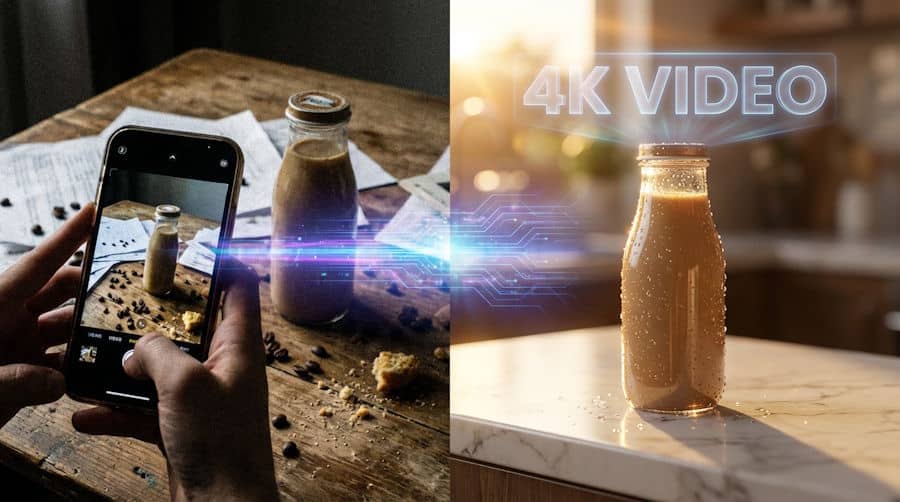
The process starts by taking an ordinary smartphone photo and transforming it into a photorealistic marketing-ready image. This isn't just a filter; it's a reconstruction.
Core Features:
- Virtual Scene Placement: You can place your product in premium lifestyle contexts—marble countertops, sunset beaches, or luxury retail displays—with accurate shadows and lighting.
- AI Virtual Try-On: For apparel brands, you can upload a flat lay photo, and the engine will generate a realistic model wearing the item, ready to become your video’s main “actor.”
- For fashion creators and online stores that want to test outfit visuals before producing campaign assets, an AI clothes changer can help generate realistic outfit previews from a single photo, making it easier to compare styles for social posts, shopping references, and e-commerce visuals.
Phase 2: Turning Static Images into Dynamic Video
Once the perfect image is ready, the magic happens. The static shot is converted into an engaging video using advanced AI video generation tools.
- UGC-Style Narration: The virtual model speaks naturally, delivering product reviews or testimonials in an influencer-style video format.
- Interactive Product Showcase: The avatar can interact with the product—holding it, pointing to details—while the video remains stable and glitch-free thanks to ultra-precise object definition.

Real-World Examples: How Brands Are Using It
- Home Appliances Instead of shipping a heavy air conditioner to a studio, brands generate a lifestyle image of the appliance in a cozy home environment. Then, they animate it into a real-life demo video showing airflow or cooling effects.
- Fashion & Beauty A wig brand creates an AI try-on image of a new product. They then use an automated video marketing agent to turn that image into a selfie-style review video, mimicking a viral TikTok post.
Frequently Asked Questions
Q1: Is Nano Banana Pro just a video generator? Not exactly. It’s primarily a cutting-edge image generation model. However, when paired with the animation engine, it forms a complete pipeline that significantly outperforms direct text-to-video workflows.
Q2: Why not just use text-to-video tools? Because text-to-video tools often “hallucinate” product details—logos change, shapes warp. By first generating an accurate image, you ensure perfect brand consistency.
Q3: Do I need professional photos to start? No. Even a basic phone snapshot can be transformed into studio-quality imagery through the enhancement process.
Q4: Can I use these videos commercially? Yes. The workflow produces fully licensed assets—ready for ads, social media, websites, and other commercial uses.
Conclusion
The rule is simple: Perfect input equals perfect output.
The “image first, animation second” approach solves the common stability, detail loss, and brand integrity problems faced by traditional AI video tools.
For e-commerce brands, this represents a shift toward fast, scalable, and low-cost production without sacrificing quality. As AI transforms content creation, this combined workflow is set to become the new standard for e-commerce video marketing.

