

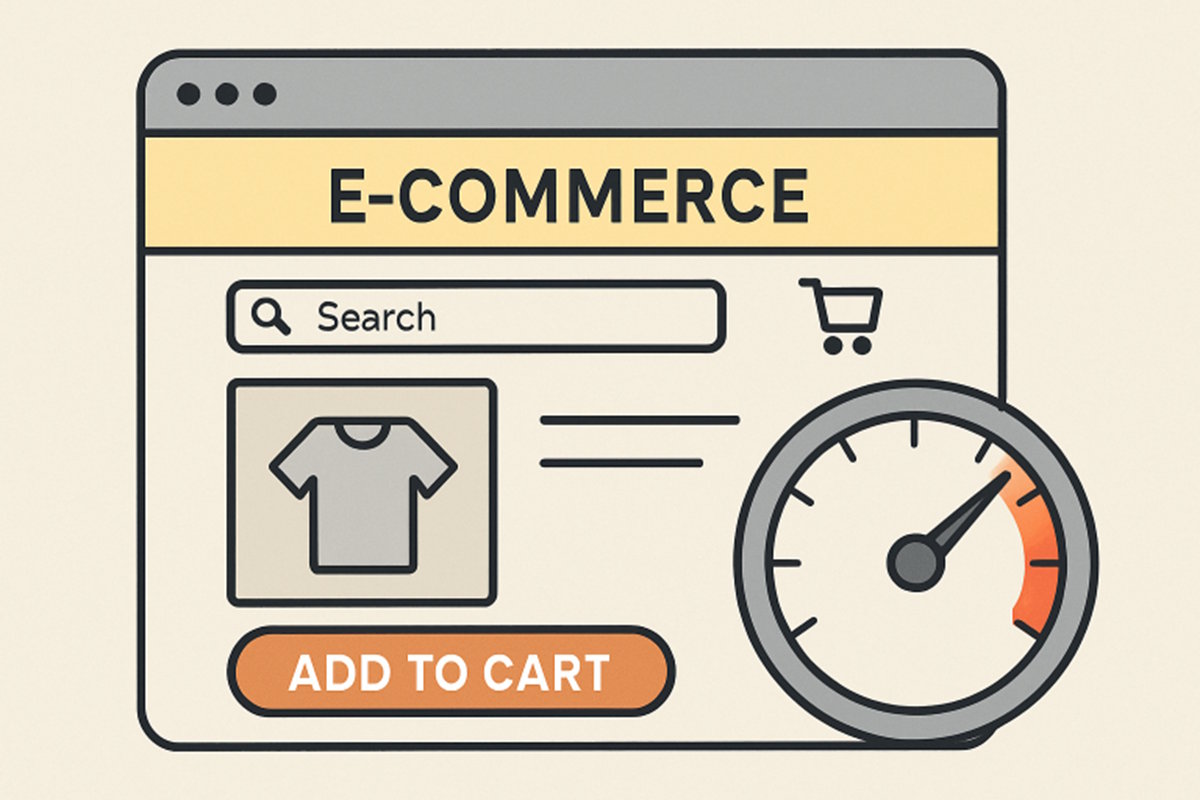
In today’s fiercely competitive online retail space, ranking high in search results is vital for attracting and retaining customers. The foundation of a thriving e-commerce site begins with strong technical SEO—these behind-the-scenes optimizations ensure your site is search engine-friendly, fast, and secure. Technical SEO is the backbone that supports every other aspect of digital marketing for your store. It goes beyond keyword usage; it addresses how search engines access, index, and present your site, determining how easily potential buyers can discover your brand. If your infrastructure is flawed, even the best products and marketing efforts won’t live up to their full potential, as search engines may not be able to find or display your content correctly. A site that loads quickly, displays properly on all devices, and provides secure shopping experiences reassures both users and search engines that you’re a trustworthy retailer, and this reassurance directly affects your ability to maximize online sales and improve long-term visibility.
Neglecting technical SEO can result in poor rankings, missed revenue opportunities, and a frustrating user experience that deters customers from making a purchase. Search engines may fail to index important pages, leading to significant drops in organic traffic. By prioritizing essential elements such as site speed, mobile usability, and clear content structure, e-commerce businesses can outperform their competitors, boost organic sales, and serve their customers more efficiently, laying the foundation for scalable growth.
Optimize Site Speed
Site speed is one of the most influential factors in both user experience and SEO rankings, especially for e-commerce platforms where shoppers expect near-instant gratification. According to Google’s research, sites that load within two seconds have significantly lower bounce rates than those that load more slowly. A laggy website quickly drives away customers, who are likely to abandon their shopping carts out of frustration. To ensure swift load times, implement the following best practices:
- Compress and serve images in next-gen formats like WebP to significantly reduce image file sizes without sacrificing quality.
- Leverage browser caching and set appropriate expiration dates for static resources so repeat visitors receive faster load times and reduced bandwidth usage.
- Distribute content using a Content Delivery Network (CDN) to serve users from the closest server, which reduces latency and accelerates page rendering globally.
Every second counts in e-commerce. Even small delays can significantly increase bounce rates and cart abandonment, resulting in lost revenue and a tarnished brand reputation. Conduct regular performance audits using tools like Google PageSpeed Insights or GTmetrix to keep your site running smoothly.
Ensure Mobile-Friendliness
With mobile commerce surging, more than half of online shopping now occurs on smartphones—a trend that is expected to continue growing. Your e-commerce site must feature a responsive design that effortlessly adapts to all device sizes and orientations. Mobile-friendly layouts not only streamline the shopping experience, reducing the risk of abandoned carts, but are also favored by Google’s mobile-first indexing, which directly influences your ranking position in search results. Buttons should be large enough for touch navigation, text should resize appropriately, and images should scale without disrupting the layout. A clunky or hard-to-navigate mobile site can easily drive users to competitor websites that offer frictionless mobile experiences.
Test your site regularly on various devices and screen sizes to maintain consistent, error-free functionality.
Implement Structured Data
Structured data, applied via schema markup, enhances the way your listings appear in search engine results and can set your products apart from competitors. For e-commerce stores, applying product schema can present rich snippets, such as star ratings, prices, stock availability, and images, directly in the search results. These visually enhanced snippets increase click-through rates and drive more qualified, purchase-ready traffic to your product pages, giving you a competitive edge.
Properly marking up product information with schema helps search engines understand and accurately feature your items, which is especially important for complex catalogs. This process enables eligibility for features like voice search, Google Shopping integrations, and additional on-page enhancements. Implement schemas for breadcrumbs, product availability, reviews, and FAQs to leverage the benefits of structured data fully. Regularly validate your markup with Google’s Rich Results Test tool to avoid errors and missed opportunities.
Manage Duplicate Content
Duplicate content, which is common among product catalogs, filter pages, and similar product variants, can dilute your site’s authority and confuse search engines about which version to index. Search algorithms may struggle to determine the canonical page to rank, resulting in lost ranking potential and split link equity. Address these risks proactively by:
- Using canonical tags to signal to search engines the primary version of each page when similar or duplicate content exists.
- Conducting regular audits to locate duplicate product listings, pagination issues, and excess session ID parameters that may create multiple URLs for the same product.
Resolving duplicate content issues enhances your site’s crawl efficiency and consolidates your ranking signals into preferred URLs, making it easier for both customers and search engines to find your products. Consistent evaluation and prompt action can also prevent ongoing site maintenance headaches as your catalog grows.
Optimize URL Structure
A clear, keyword-rich URL structure provides both search engines and human visitors with cues about a page’s content and hierarchy. Avoid cryptic, auto-generated URLs that include meaningless parameters; instead, leverage a logical category structure with straightforward naming conventions and short paths. For example, use /mens-shoes/sneakers rather than /category?id=123. This clarity increases the likelihood that search engines will accurately index your pages and rank them for relevant search queries. Optimized URLs can also enhance site navigation, allowing users to understand better their location within your store, which boosts confidence and usability.
Keep URLs concise, use relevant keywords, and separate words with hyphens. Establish a sustainable naming policy and maintain clean URLs as your inventory expands and product categories evolve.
Secure Your Site with HTTPS
For e-commerce businesses processing sensitive customer data and transactions, adopting HTTPS is non-negotiable. Site security matters not only for protecting your customers’ personal and payment information, but it is also a lightweight ranking factor for Google. Secure Sockets Layer (SSL) certificates offer essential encryption to safeguard all forms of data transfer on your site. A secure, HTTPS-enabled site instills greater trust in shoppers, which is especially critical at the checkout process, where second thoughts about safety can lead to cart abandonment. Make it standard practice to display trust badges and clearly communicate your commitment to security in your site’s footer or throughout the checkout flow.
Create and Submit Sitemaps
Sitemaps—both XML for search engines and HTML for users—are essential navigational aids for modern e-commerce websites. XML sitemaps supply Google, Bing, and other search engines with a comprehensive, always-updated map of your product pages, category hierarchies, and important landing pages. HTML sitemaps, meanwhile, help users effortlessly explore your large or complex store, improving engagement and reducing bounce rates.
Continuously monitoring your sitemap health and checking for submission errors or coverage issues ensures that your entire store is accessible to both search bots and prospective customers.
Monitor and Fix Broken Links
Broken links create a frustrating experience for shoppers and reduce the crawl efficiency of search engines, which can halt them from discovering new or updated products. Perform routine audits with tools to crawl reports to identify 404 errors, broken internal links, or removed pages referenced in your navigation, blog, or product descriptions. Promptly address these issues by updating or redirecting outdated links to ensure that shoppers enjoy a seamless journey from landing page to checkout while preserving the flow of search engine link equity throughout your site. This not only enhances customer satisfaction but also maintains your site’s SEO health and authority.
Final Thoughts
With advancing competition and evolving algorithms, optimizing your e-commerce site from a technical perspective is not a one-time task but an ongoing priority. Regularly reviewing, testing, and improving your technical SEO allows your store to adapt to new ranking factors and user behaviors. Investing in technical SEO best practices—from enhancing site speed and ensuring robust mobile usability to implementing structured data and secure browsing—empowers businesses to increase organic visibility, deliver a superior shopping experience, and foster lasting, trust-filled customer relationships. As a result, your business will be better positioned to achieve sustained success in an ever-changing online marketplace.

