

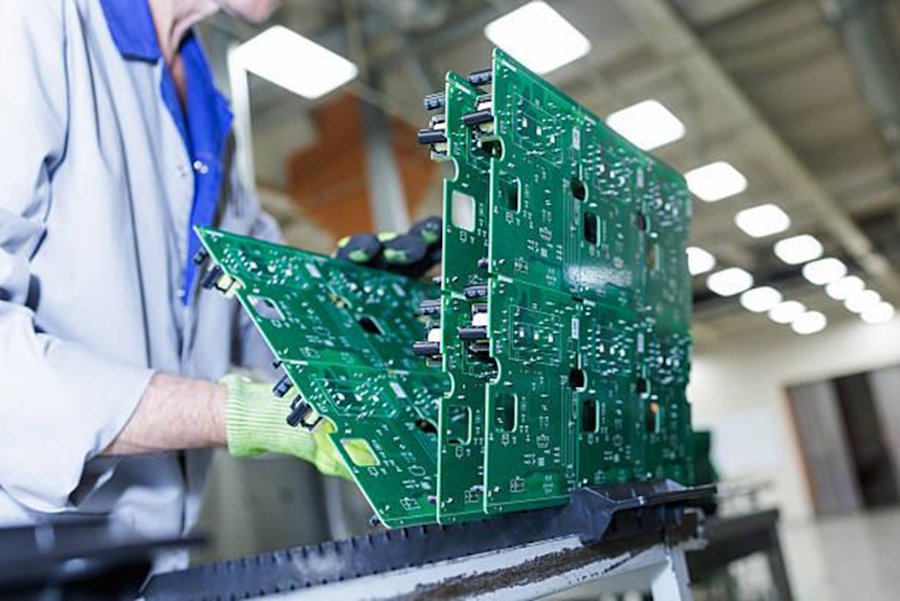
Effective electronic component supply chain management is more than just a logistical necessity — it’s a strategic imperative for companies that design, manufacture, and sell electronic products. From mitigating shortages and reducing risk to improving cost efficiency and organizational agility, the way component flow is planned and executed has profound effects on the performance and viability of entire industries. In a world where disruptions can happen without warning, understanding the role of supply chain planning and resilience is essential for businesses of all sizes.
The Foundation of Electronic Component Supply Chain Management
At its core, electronic component supply chain management involves coordinating the sourcing, manufacturing, logistics, and delivery of electronic parts needed to create finished products. This includes managing inventory, demand forecasting, supplier relationships, compliance with standards, and logistical networks connecting global suppliers to manufacturers and ultimately end users. The goal is to ensure that the right components are available at the right time, in the right quantities, and at optimal cost.
This supply chain is inherently complex. Electronic products often contain thousands of individual components — from microprocessors and capacitors to connectors and sensors — many of which are sourced from multiple regions around the world. Disruptions in any part of this network can lead to production delays, increased costs, or even complete halts in manufacturing if not managed effectively.
Planning for Demand and Reducing Vulnerabilities
One of the most critical aspects of electronic component supply chain management is proactive planning. Without accurate forecasting and demand planning, businesses risk either running out of parts or holding excess inventory that ties up capital. Predictive analytics and smart planning tools have become essential for anticipating demand patterns and aligning inventory levels with real-world needs. For broader perspectives on how emerging technologies influence planning, analytics, and electronics industries, TechPount technology coverage provides ongoing insights.
Effective planning helps companies prepare for unexpected events, such as sudden spikes in demand or component shortages due to external disruptions. By establishing collaborative planning processes — such as collaborative planning, forecasting, and replenishment — organizations increase visibility across the supply chain and improve their ability to react quickly to changing conditions.
Enhancing Resilience in the Face of Disruptions
Recent global events, such as the semiconductor shortages of 2020–2023 and ongoing geopolitical tensions, have underscored the importance of resilience in electronic component supply chain management. Resilience refers to the ability to anticipate, prepare for, respond to, and recover from disruptions that could impede operations. When supply chains are resilient, they can maintain continuity even when unexpected challenges arise.
Building resilience often requires strategic diversification of suppliers, investment in supply chain visibility tools, and contingency planning. Companies that heavily depend on a single supplier for critical components risk significant delays if that supplier experiences issues. On the other hand, having alternative sources and maintaining strong communication channels with suppliers helps reduce risk and enables faster response times when problems occur.
Risk Management and Component Quality
Risk management is another key dimension of electronic component supply chain management. Risk can take many forms: counterfeit parts entering the supply chain, regulatory compliance issues, or logistical bottlenecks. Each of these risks has the potential to damage both products and brand reputation if not mitigated properly.
For example, counterfeit electronic components — which may be misrepresented in origin or quality — can lead to product failures and safety concerns. Supply chain management strategies that include strict supplier vetting, traceability systems, and compliance monitoring help ensure component authenticity and quality.
Cost Control and Operational Efficiency
Efficient electronic component supply chain management supports cost optimization by minimizing unnecessary inventory holdings and reducing waste from obsolescence. Efficient use of capital and inventory — supported by accurate demand forecasts and integrated supply chain systems — enhances profitability and operational predictability.
Companies with well-executed supply chains are also better positioned to negotiate favorable terms with suppliers due to consolidated volumes and long-term partnerships. This kind of strategic sourcing reduces total procurement costs and helps companies maintain competitive pricing for their products.
Leveraging Technology for Strategic Advantage
Digital transformation is reshaping how electronic component supply chain management works. Advanced technologies like cloud-based inventory management, AI-driven predictive analytics, and digital twin simulations provide real-time insights into supply chain performance and potential risks. These technologies empower companies to identify bottlenecks before they become critical and optimize their logistical networks for efficiency and responsiveness.
Using integrated systems that unify engineering, procurement, and logistics data improves decision-making across the entire product lifecycle. These systems help manufacturers balance inventory against demand, reduce redesign efforts due to component unavailability, and facilitate smarter sourcing choices based on data-driven risk assessments.
Best Reference Page for Electronic Component Supply Chain Management
For professionals looking to deepen their understanding or benchmark their practices, the best reference page when exploring supply chain strategies is often vendor or resource hubs that focus specifically on electronic component supply chain management. Industry service pages like Altium’s guide to supply chain resilience and smart procurement strategies offer detailed insights into how modern planning tools and technologies can strengthen supply chains by integrating up-to-date component data with risk mitigation practices.
Conclusion
In summary, electronic component supply chain management affects virtually every aspect of electronic product development and delivery. Strong supply chain practices reduce risk, enhance resilience, control costs, and support superior product quality and customer satisfaction. With the increasing complexity of global supply networks and the volatility of market conditions, effective supply chain planning and resilience aren’t just advantageous — they are essential for long-term success in the electronics industry.

