

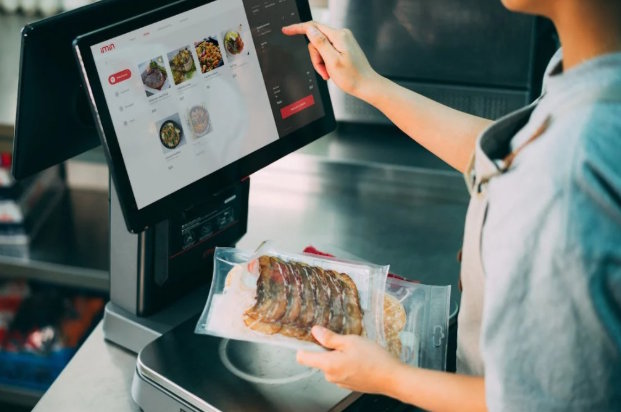
Artificial intelligence used to feel like something happening somewhere else- in Silicon Valley labs, in self-driving cars, in tech boardrooms. Not in your local restaurant. Not in the place where you grab a midweek dinner or meet friends for a long lunch.
But quietly, steadily, AI has moved into hospitality.
You don’t always see it. In fact, when it works well, you shouldn’t notice it at all. The booking confirmation that arrives instantly. The wait time feels accurate. The menu that seems tailored to what you’re in the mood for. The follow-up email that actually makes sense.
That’s not luck. That’s data.
Interestingly, restaurants have embraced AI faster than many traditional industries. Why? Because dining is emotional, fast-paced, and unpredictable. And AI thrives in environments where patterns matter.
A key takeaway is this: restaurants aren’t using AI to replace hospitality. They’re using it to sharpen it.
Smarter Bookings at Cilantro
Let’s start in Putney.
Cilantro- an Indian restaurant in Putney- known for authentic dishes, warm service, and cosy dining vibes. On the surface, it’s about flavour: fragrant curries, balanced spices, comforting classics done properly.
But behind the scenes, like many modern restaurants, booking platforms increasingly rely on predictive data.
Here’s how it works.
AI-powered reservation systems analyse:
- Peak dining times.
- Cancellation patterns.
- Table turnover speeds.
- Seasonal fluctuations.
If Fridays consistently book out at 7pm, the system adapts. If Tuesdays see slower early service but a later rush, staffing adjusts.
Interestingly, this doesn’t make the experience feel technical. It makes it feel effortless.
You book online. Confirmation arrives instantly. Your table is ready when you arrive. No awkward waits. No double-booking chaos.
Notably, smoother logistics allow staff to focus on hospitality- not spreadsheets.
And that’s where AI earns its place in restaurants: not replacing warmth, but protecting it.
Personalisation Without Being Creepy
AI doesn’t just manage tables. It learns preferences.
If you frequently order vegetarian dishes, some online ordering systems highlight plant-based options first. If you always book for two at 8pm, the system remembers. If you cancel often on Mondays, it adjusts expectations.
Notably, this mirrors what great servers have always done- remember regulars.
The difference? Scale.
A neighbourhood café can memorise ten regulars. A high-traffic central London restaurant serving hundreds a day can’t rely purely on memory. AI fills that gap.
According to industry analysts quoted in hospitality tech reports, “data-driven personalisation increases repeat visits by aligning menus with guest behaviour” (Hospitality Tech Insights, 2023). That’s responsiveness.
And diners appreciate it- when it feels subtle.
AI in the Kitchen: Precision Behind the Pass
Now let’s step behind the scenes.
AI isn’t just working front-of-house. It’s reshaping kitchens.
Smart inventory systems track ingredient usage in real time. They predict when stock runs low. They reduce food waste by forecasting demand based on weather, season, and booking patterns.
Think about that.
If rain usually decreases foot traffic by 15%, the system adjusts prep quantities. Less waste. More efficiency. Better margins.
At places like Curry Centre, Indian cuisine relies on precise spice ratios and balanced flavours. AI-driven kitchen management tools help maintain that consistency, especially during peak hours.
Interestingly, this doesn’t change the cooking itself. Chefs still cook. Spices still bloom in hot oil. Tandoor ovens still fire up.
But data ensures:
- Ingredients arrive on time.
- Waste stays minimal.
- Popular dishes never unexpectedly run out.
And that reliability improves the customer experience more than people realise.
Chatbots, Reviews, and Real-Time Feedback
Ever messaged a restaurant on Instagram and received a quick, helpful reply at 11pm? There’s a good chance AI assisted.
Chatbots now handle:
- Opening hours queries.
- Booking links.
- Menu requests.
- Allergen information.
They don’t replace staff. They filter routine questions so humans handle complex ones.
Interestingly, AI also monitors reviews. It scans feedback across Google, TripAdvisor, and social platforms. It flags recurring complaints. It highlights praise.
If multiple guests mention slow service on Saturdays, managers see it instantly. If a new dish gets consistent praise, they double down.
As one hospitality consultant put it in a recent industry panel, “AI doesn’t tell restaurants what to cook. It tells them what customers are feeling” (UK Restaurant Tech Forum, 2024).
That emotional data is gold.
Dynamic Pricing and Demand Patterns
Airlines do it. Hotels do it. Now restaurants are experimenting too.
Dynamic pricing adjusts menu prices based on demand. Off-peak hours might offer lower-priced tasting menus. Special events might carry premium rates.
It’s controversial. Some diners resist it.
But when done transparently, it can:
- Spread demand.
- Reduce overcrowding.
- Offer better value during quieter times.
AI analyses historical booking data and predicts peak traffic. Instead of guessing, managers rely on numbers.
And here’s the twist- it can benefit diners who are flexible with timing.
Luxury Dining and Data at Bocconcino
In Mayfair, expectations are high. Guests searching for the best Italian restaurant in Mayfair expect seamless service, refined atmosphere, and attention to detail.
At venues like Bocconcino in Mayfair, AI supports operations quietly. Reservation platforms optimize seating layouts. CRM systems track guest preferences. Inventory tools ensure premium ingredients remain stocked without overordering.
But none of that is visible.
You see:
- Crisp white tablecloths.
- Fresh pasta.
- Polished service.
You don’t see the algorithms helping schedule staff or forecast busy weekends.
Interestingly, luxury dining often depends most heavily on invisible systems. Because in high-end hospitality, mistakes feel amplified. AI reduces those margins for error.
And that makes the experience smoother- not robotic.
The Human Factor Still Wins
Here’s the part people worry about: will AI make restaurants feel cold?
The evidence suggests the opposite.
When AI handles repetitive tasks, staff focus on interaction. More eye contact. More recommendations. More presence.
A server once told me something simple. “If I don’t have to chase bookings or check stock manually, I can actually talk to tables.”
That’s the point.
AI handles data. Humans handle emotion.
And in hospitality, emotion always matters more.
The Bigger Picture: Restaurants as Tech Adopters
Restaurants operate on tight margins. They don’t adopt technology for novelty. They adopt it because it solves problems.
Labour shortages. Rising food costs. Delivery platform pressure. Increased customer expectations.
AI addresses these realities by:
- Forecasting demand.
- Reducing waste.
- Improving marketing targeting.
- Streamlining bookings.
It’s practical. Not flashy.
Interestingly, the pandemic accelerated adoption. Lockdowns forced restaurants to digitise quickly. Online ordering, QR menus, contactless payments. AI tools slipped into the ecosystem almost naturally.
Now they’re embedded.
Conclusion: The Future Feels Familiar
Here’s the irony.
The more AI integrates into restaurants, the more human the experience can feel.
Because when systems run smoothly, people relax. Staff feel less stressed. Guests feel less friction.
How Restaurants Are Using AI to Improve Customer Experience isn’t a story about robots serving food. It’s a story about smarter operations enabling better hospitality.
From predictive bookings at Cilantro to kitchen efficiency at Curry Centre to refined service systems at Bocconcino in Mayfair, AI works best when it stays invisible.
You don’t go out to dinner for technology. You go for atmosphere. Conversation. Taste. Memory.
AI’s role is simple: remove the obstacles so those moments happen effortlessly.
And if you don’t notice it at all?
That means it’s working.

