

Manual infrastructure management drains resources. Research from Google's State of DevOps Report shows organizations without automation spend 33% less time on infrastructure improvements because they're stuck handling support cases. Configuration drift causes production failures. Teams troubleshoot environment inconsistencies that automated systems would prevent. Finding the best DevOps infrastructure automation services becomes critical when these manual processes create bottlenecks that slow feature development.
When it comes to infrastructure, effective automation delivers measurable outcomes. The right provider optimizes cloud spending by 60-90% through proper resource allocation. They provide direct access to senior engineers who understand your specific stack. But how can you find the right partner that will fit your specific situation? Let’s figure it out together!
What Separates Effective Infrastructure Automation from Basic Implementation
Real automation expertise reveals itself when production systems fail. The provider who can diagnose infrastructure problems in minutes rather than hours understands your stack at a fundamental level. Basic implementation means following the documentation. Effective automation means anticipating failure modes before they occur.
Here’s what you should look for when evaluating a potential partner:
- Response times and expertise depth. When your production environment crashes at 2 AM, you need engineers who can identify the root cause within 15-30 minutes. This requires deep knowledge of your specific technology stack, not just general DevOps principles. Senior engineers with 5+ years of experience spot patterns that junior practitioners miss.
- Cost optimization capabilities. Effective providers demonstrate measurable outcomes from previous engagements. Look for documented cost reductions of 60-90% through Infrastructure as Code implementation and proper resource allocation. They should show specific examples: eliminating unused instances, right-sizing databases, and implementing auto-scaling that actually works.
- Communication structure and team access. Some providers route everything through project managers who lack technical depth. This creates translation layers that slow down decisions and introduce errors. Direct access to the engineers writing your Infrastructure as Code eliminates bottlenecks. You should speak with the person who will actually implement your system.
- Technology stack coverage. The provider must demonstrate expertise with your specific tools: AWS, Azure, or GCP; Terraform or CloudFormation; Kubernetes or Docker; your monitoring stack. Generic DevOps knowledge doesn't translate to effective DevOps automation without hands-on experience with your particular combination of technologies.
Leading Infrastructure Automation Providers: Our Pick
Provider 1: ELITEX
ELITEX operates as a Europe-based provider with 50+ engineers specializing in DevOps automation services and solutions for healthcare, fintech, real estate, and hospitality sectors. Their team structure eliminates intermediary project management layers, providing direct access to senior and middle-level engineers who implement Infrastructure as Code implementations. Projects typically achieve infrastructure cost reductions of 60-90% through optimized cloud resource allocation using Terraform, AWS, and Azure technologies. Rates range from $30-70 per hour, reflecting Eastern European market positioning rather than capability gaps compared to Western consultancies.
Provider 2: Accenture
Accenture brings enterprise-scale resources through their Accenture DevOps Platform (ADOP), which standardizes CI/CD implementation and infrastructure provisioning across client organizations. Their DevOps transformation approach includes cartridges for nearly 100 technologies, including Terraform, Ansible, and major cloud platforms. Teams get access to AWS Premier Consulting Partner certifications and specialized practices for complex compliance requirements. Rates typically start around $150-200 per hour for infrastructure automation projects.
Provider 3: Deloitte
Deloitte provides infrastructure automation through their DevOps Cloud Platform, which connects disparate software and cloud platforms for end-to-end DevOps lifecycle management. Their hybrid cloud infrastructure practice delivers specialized engineering capabilities including automated migration, Infrastructure as Code implementation with Terraform and Ansible, and container orchestration at scale. The firm emphasizes compliance-as-config for industry standards like PCI, HIPAA, and GDPR while supporting multi-cloud operations across AWS, Azure, and Google Cloud. Rates reflect Big Four consultancy positioning with comprehensive DevOps consulting services integrated into broader digital transformation engagements.
Provider 4: 10Pearls
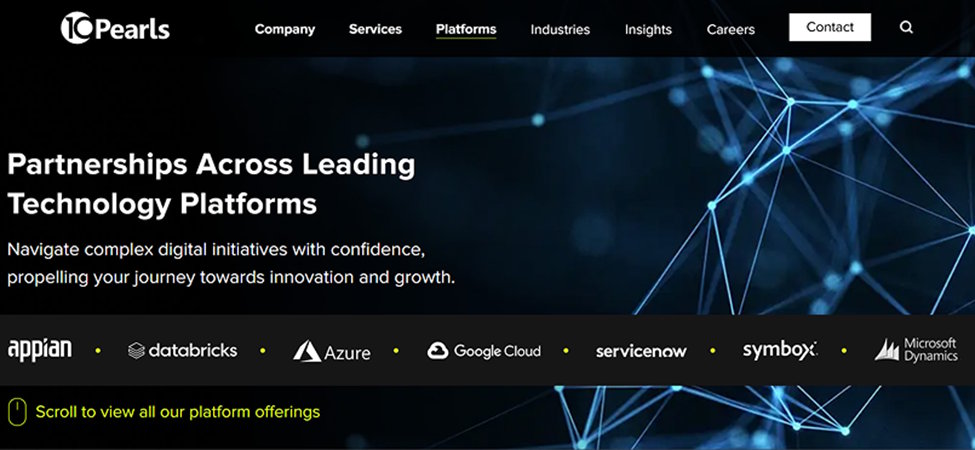
10Pearls combines infrastructure automation with full-cycle development services across multiple industries and maintains offices in several countries. Their DevOps consulting services include Infrastructure as Code implementation using tools like Terraform, Chef, Ansible, and Docker, plus containerization strategies with Kubernetes. The company provides both project-based automation and managed DevOps services through their 10Pearls Blue offering, which delivers 24/7 infrastructure monitoring and development support. Teams work across AWS, Azure, and Google Cloud Platform with rates generally competitive for mid-market organizations.
Provider 5: Cognizant
Cognizant operates their OneDevOps platform, a comprehensive DevOps Automation Platform for accelerated DevOps adoption across the entire DevOps lifecycle, integrating with leading tools to reduce downtime and improve release stability. Their infrastructure automation practice covers Infrastructure as Code pipeline automation, public/private/hybrid cloud provisioning for AWS, Azure, GCP, and container orchestration using Kubernetes. The company provides DevOps maturity assessments, enterprise strategy development, and managed services, including 24/7 operations management. As an AWS Premier Consulting Partner, they deliver comprehensive DevOps consulting services with rates competitive among global IT services firms.
How to Evaluate Infrastructure Automation Partners on Your Own?
Start with documented outcomes from similar projects. For this, you can use industry-specific platforms like Clutch or directly request case studies showing specific infrastructure cost reductions, deployment frequency improvements, or incident recovery time decreases. Numbers matter more than descriptions. A provider claiming "optimization" without showing that they reduced monthly AWS spending from $50,000 to $15,000 hasn't proven capability. Ask for references you can contact directly to verify claimed results.
Insist on technical conversations with the actual engineers who would implement your automation. Schedule a 30-minute call where you ask specific questions about your stack. Their responses reveal whether you'll work with senior talent or juniors learning on your budget. Ask how they'd approach your particular infrastructure challenges with Terraform or CloudFormation. Vague answers expose knowledge gaps. Understand the complete rate structure before signing anything. Some providers quote attractive hourly rates but require minimum monthly commitments that triple actual costs. Others add charges for monitoring tools, incident response, or after-hours support. Get everything documented upfront. Knowledge transfer determines whether you build internal capability or create permanent dependency.
The best providers document every decision, explain their Infrastructure as Code implementations, and train your team to maintain systems independently. Watch for partners who resist documentation or create complex configurations only they can manage. This signals future vendor lock-in rather than genuine automation value.
A Brief Conclusion: To Wrap Things Up
Infrastructure automation represents a significant investment in your technical foundation. Choose partners based on proven cost reductions and measurable reliability improvements rather than client lists or certifications. A provider who helped similar companies cut infrastructure expenses by 70% delivers more value than one serving famous brands without demonstrable results.
Your infrastructure affects every business function. Select accordingly. Focus on providers who demonstrate concrete outcomes, provide direct engineer access, maintain transparent pricing, and commit to knowledge transfer. These factors predict successful automation more accurately than any other credentials.

