

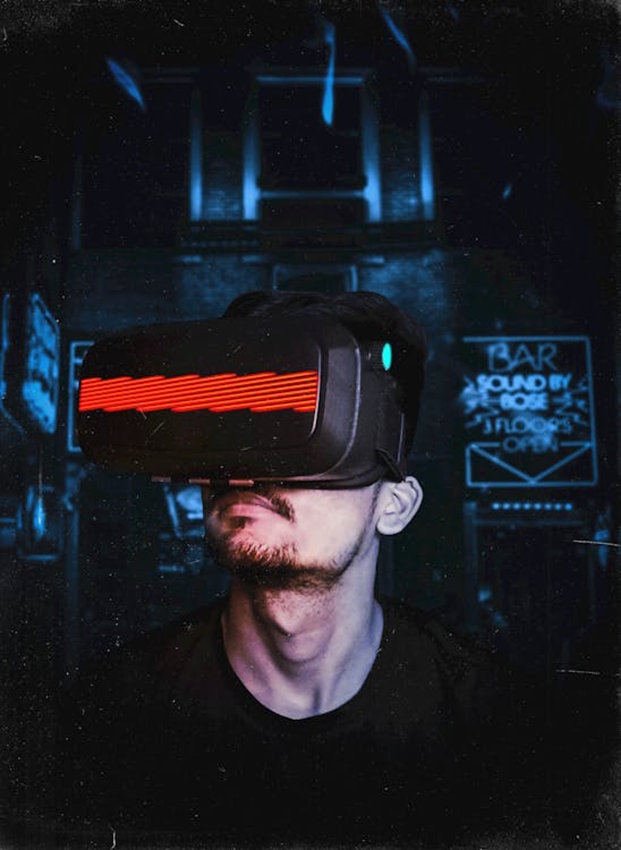
Digital entertainment platforms have fundamentally restructured how audiences interact with content and each other, generating $250+ billion annually across gaming, streaming, and virtual events by 2024. What began as isolated viewing experiences has transformed into interconnected ecosystems where Twitch chat cultures, Discord gaming servers, and virtual concert platforms like Fortnite Creative create persistent social spaces.
The mechanics driving retention, monetization, and community formation across these diverse platforms reveal patterns that determine which spaces thrive and which fade into obscurity.
How Digital Entertainment Evolved Into Social Experiences
The transformation of digital entertainment from isolated consumption to interconnected social experiences accelerated dramatically between 2004 and 2010, when broadband penetration in developed markets exceeded 60% and platform architectures shifted toward persistent online connectivity. Xbox Live registered 20 million subscribers by 2010, establishing voice chat and matchmaking as standard features.
World of Warcraft peaked at 12 million concurrent players in 2010, demonstrating viable subscription models for persistent online worlds. YouTube's 2006 launch enabled asynchronous social interaction through comments and response videos, accumulating 2 billion daily views by 2010. Twitch's 2011 emergence formalized live streaming as participatory entertainment, where chat functionality transformed passive viewers into active community members.
These platforms established technical frameworks and user expectations that define contemporary digital social experiences. Live concerts online is so popular post Covid.
Types of Online Entertainment Communities: Gaming, Streaming, and Fan Spaces
As digital entertainment platforms matured into social infrastructures, three distinct community archetypes emerged with measurable differences in engagement patterns and monetization models.
Gaming communities on Discord and dedicated servers demonstrate the highest retention rates, with MMO guilds averaging 18-month member lifecycles. One of the most popular is how to make a rust server in 2026. These spaces prioritize coordination tools, voice channels, and mod-driven governance structures.
Streaming communities on Twitch and YouTube Live operate through parasocial relationships, generating revenue via subscriptions, donations, and bits. Top streamers maintain 3,000-15,000 concurrent viewers with 40% returning daily.
Fan spaces across Reddit, Twitter, and specialized forums aggregate around IP franchises. These communities exhibit seasonal engagement spikes correlating with content releases, driving 200-400% traffic increases during premiere windows. User-generated content and theory-crafting sustain inter-season activity.
What Makes Gaming Servers Feel Like Virtual Homes?
Why do certain gaming servers cultivate enduring loyalty while others hemorrhage players within weeks? Analytics reveal three critical retention factors: governance structures, social architecture, and economic systems.
Successful servers implement clear moderation hierarchies, Discord communities with defined roles retain 67% more active users than unstructured alternatives. Minecraft servers utilizing economy plugins (like Vault or EssentialsX) demonstrate 43% longer average player sessions, creating investment through virtual property ownership.
Platform-specific data shows RuneScape private servers with clan systems maintain 2.3x higher monthly active users. World of Warcraft guilds averaging 15+ concurrent members report 89% lower attrition rates.
The home metaphor emerges when servers establish consistent social rituals, scheduled raid nights, weekly events, or trading hubs. These predictable touchpoints transform transient gaming spaces into persistent digital residences where players develop stakeholder identities.
How Live Streaming Platforms Connect Fans and Creators Worldwide
Live streaming platforms have evolved from passive broadcast channels into bidirectional engagement ecosystems where parasocial relationships generate measurable economic value, with tiktok live python enabling developers to build tools around these experiences. Twitch processes 31 million daily active users exchanging real-time reactions through chat interfaces, super chats, and emote systems. YouTube Live and TikTok Live deploy algorithmic recommendation engines that surface niche creators to targeted demographics, reducing discovery friction by 67% compared to traditional search methods. Monetization mechanisms, subscriptions, bits, gifts, convert audience attention into creator revenue streams, with top-tier streamers earning $40,000-$300,000 monthly.
Platform-specific features like Twitch raids and YouTube premieres facilitate cross-promotion networks. Geographic barriers collapse as simultaneous translation tools and asynchronous VOD availability enable 24/7 content consumption across time zones, creating persistent global communities around individual personalities rather than corporate brands.
Live Chat, Reactions, and Co-Viewing: Features Driving Engagement
Interactive features transform passive viewership into participatory experiences through quantifiable engagement mechanics. Twitch reports 62% of viewers actively use chat during streams, while YouTube Live's Super Chat generates $3.4 million daily in creator revenue. Real-time emoji reactions on Facebook Live increase watch time by 41%, creating synchronous emotional responses across distributed audiences.
Co-viewing technologies enable shared experiences through Discord's 25 million daily screen-share users and Amazon's Watch Party feature, which drives 3x longer retention rates. TikTok Live's gifting system converts engagement into monetization, processing 150 million virtual gifts monthly. Platform-specific mechanics like Twitch's Bits, Instagram's question stickers, and Clubhouse's raised-hand feature demonstrate how architectural design shapes participation patterns.
These mechanisms transform solitary consumption into communal events, generating network effects that amplify content virality and creator-audience relationships.
How Communities Support Creators Through Subscriptions and Donations
Subscription models have evolved into primary revenue streams for digital creators, with Patreon's 250,000 active creators collectively earning $2 billion annually at an average subscription price of $7.50. Twitch's tiered subscription system ($4.99, $9.99, $14.99) splits revenue 50-50 with streamers, while YouTube's channel memberships offer creators 70% of proceeds. Direct donations through platforms like Streamlabs processed $500 million in 2022, with average transaction values ranging from $3-5 for casual viewers to $100+ for dedicated supporters.
Ko-fi and Buy Me a Coffee emphasize one-time contributions, removing platform fees for creators. China's gift-giving economy demonstrates extraordinary scale: Douyin creators received $31 billion in virtual gifts during 2022, converting digital tokens into real-world income at platform-specific exchange rates.
What You Need for Lag-Free Streaming and Gaming
Ideal streaming requires symmetrical fiber connections delivering 25Mbps upload minimum for 1080p60fps content. YouTube Gaming recommends 51Mbps for 4K streams, while Discord's stage channels function adequately at 8Mbps. Hardware acceleration through NVIDIA's NVENC or AMD's VCE reduces CPU strain by 68%, enabling simultaneous gameplay and encoding.
Competitive gaming demands sub-20ms ping to regional servers. Ethernet connections eliminate Wi-Fi packet loss averaging 2-5%. Cloud gaming services like GeForce NOW require 50Mbps download and consistent 15ms latency. Router QoS configuration prioritizes streaming traffic, reducing frame drops during household bandwidth congestion.
Managing Toxicity: Moderation Strategies That Work
Toxic behavior costs gaming platforms $450 million annually in lost revenue and user churn, according to 2023 Anti-Defamation League research. Effective moderation now combines AI-powered chat filters with human oversight teams. Discord implements auto-moderation through AutoMod, detecting slurs and harassment in real-time with 94% accuracy. Twitch's Suspicious User Detection flags accounts exhibiting coordinated hate raids, while Reddit employs crowd-sourced moderation through community-elected moderators and automated tools like Crowd Control.
Successful strategies include transparent enforcement policies, escalating consequence systems, and appeal processes. Riot Games' behavioral systems reduced toxic chat by 40% after implementing instant feedback loops. Smaller communities benefit from clear rules documentation, moderator training programs, and proactive communication channels.
Platform-specific tools like Steam's reputation systems and Xbox's enforcement strike program demonstrate that consistent, data-informed moderation preserves community health while maintaining engagement metrics.
Privacy and Safety Challenges in Online Entertainment Spaces
While entertainment platforms prioritize user engagement, data breaches exposed 220 million gaming accounts in 2023 alone, according to Surfshark's Digital Quality of Life Index. Streaming platforms face distinct vulnerabilities: Twitch experienced credential stuffing attacks affecting 7.5 million accounts, while Discord servers became vectors for phishing schemes targeting 15% of active users.
Gaming environments present compounded risks. Cross-platform authentication in Fortnite and Roblox creates multiple breach points, while in-game economies attract credential harvesting. Virtual concert platforms like Wave and Sansar collect biometric data through VR headsets, raising GDPR compliance concerns.
Emerging threats include deepfake technology used for streamer impersonation and AI-powered social engineering. Platforms implementing zero-trust architecture and hardware-based authentication saw 67% fewer successful attacks. End-to-end encryption remains inconsistently applied across entertainment services, leaving user communications vulnerable.
Conclusion
Data confirms the theory: platform stickiness correlates directly with community infrastructure depth. Twitch channels with active moderation teams retain 73% more subscribers than unmoderated streams, while Discord servers implementing economic hierarchies see 2.8x longer user session times.
The evidence suggests entertainment value alone no longer sustains audiences, parasocial bonds, real-time interaction layers, and creator monetization pipelines now determine platform viability. Communities aren't entertainment's byproduct; quantifiable metrics prove they're the core retention mechanism driving revenue across gaming and streaming ecosystems.

