

Most businesses rely on technology to keep daily operations running smoothly. Emails, files, customer records, and internal systems all depend on stable and secure IT infrastructure. When something suddenly stops working, productivity quickly slows down and frustration builds across the team.
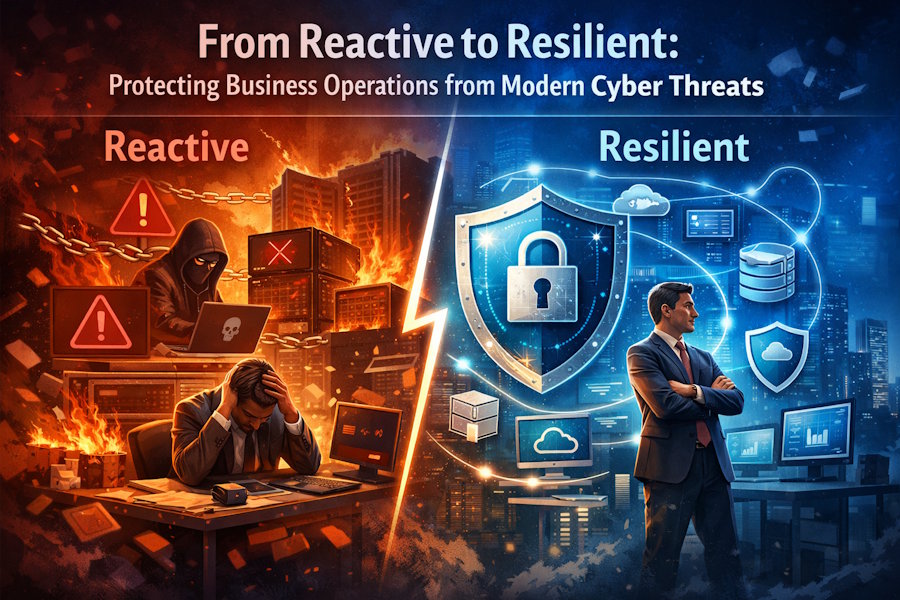
Many companies only think about IT when a problem appears. A server fails, systems crash, or employees cannot access important files. What once seemed like a small technical issue can easily turn into hours of downtime and lost productivity.
For businesses that want to avoid these disruptions, a proactive approach to IT support is becoming essential. By working with managed IT services in Greenville, companies can shift away from constant troubleshooting and instead build stronger, more resilient technology systems that support long term business operations.
Rather than reacting to problems after they occur, organizations can focus on preventing them and maintaining stable, secure systems.
Key Takeaways
- Reactive IT increases risk: Waiting for problems to happen can lead to expensive downtime and unexpected repair costs.
- Human error remains a major vulnerability: Employee mistakes often play a role in security incidents.
- Resilience is the new goal: Modern security strategies focus on both protection and fast recovery.
- Strategic IT partnerships matter: Working with experienced IT professionals helps businesses manage risk more effectively.
The High Cost of the Break-Fix Mentality
For many years, small and mid-sized businesses relied on a simple approach to technology support. When something broke, they called an IT technician to repair it. On the surface, this model seems affordable because companies only pay when service is needed.
However, this break-fix approach often creates more problems than it solves.
First, it leads to unpredictable expenses. A business may go months without needing support, but when a major issue occurs, the repair cost can be significant. Emergency service calls, hardware replacements, and system recovery efforts can quickly add up.
More importantly, this approach ignores the real cost of downtime. By the time a technician is called, the business is already experiencing disruption. Employees cannot access systems, customers may not receive timely responses, and projects are delayed.
The financial impact goes beyond the repair bill. Companies may lose valuable work hours, delay important deadlines, or even damage relationships with clients.
Technology issues rarely appear at convenient times. When businesses rely on reactive IT support, they often find themselves dealing with problems during critical moments when operations need to run smoothly.
The New Threat Landscape
Cyber threats have evolved dramatically over the past decade. In the past, many attacks were relatively simple and easy to detect. Today, cybercriminals use automated tools and sophisticated techniques to target organizations of every size.
Small and mid-sized businesses are no longer ignored by attackers. In many cases, they are considered easier targets because they may not have advanced security systems or dedicated cybersecurity teams.
Modern attacks can involve ransomware, phishing campaigns, or data theft attempts. These threats are often designed to exploit small weaknesses such as outdated software, weak passwords, or employee mistakes.
Phishing attacks remain especially common. A convincing email can trick an employee into clicking a malicious link or sharing login credentials. Once attackers gain access, they may attempt to move through the network and access sensitive information.
Because these attacks often rely on human behavior rather than purely technical weaknesses, cybersecurity cannot rely on software alone. Businesses need a balanced strategy that combines technology, training, and monitoring.
Moving Beyond Protection to Cyber Resilience
For many years, cybersecurity focused mainly on blocking threats. Firewalls, antivirus software, and network monitoring tools were designed to keep attackers out.
While prevention remains important, modern security strategies now emphasize resilience as well.
Cyber resilience focuses on preparing for the possibility that an attack may eventually occur. Instead of assuming defenses will stop every threat, resilient organizations prepare systems and processes that allow them to respond quickly and recover operations.
This approach focuses on minimizing disruption. If a system becomes compromised, the goal is to isolate the issue, restore data, and resume operations as quickly as possible.
Businesses that adopt this mindset are better equipped to handle unexpected incidents without major operational setbacks.
Resilience also encourages companies to regularly review their systems, identify weaknesses, and strengthen defenses before problems appear.
Building a Strong Security Strategy
Creating a resilient IT environment requires several key elements working together. No single tool can eliminate every risk, so organizations need a layered approach.
Security Assessments and System Reviews
The first step is understanding where potential vulnerabilities exist. Many companies assume their systems are secure simply because they have not experienced an incident.
Regular IT assessments help identify outdated software, misconfigured systems, and access permissions that may expose the business to unnecessary risk. Addressing these issues early helps reduce the chance of future problems.
Layered Security Tools
Modern security strategies rely on multiple layers of protection. This approach ensures that if one security control fails, another layer can still detect or block a threat.
These layers may include device monitoring, network protection tools, email security filtering, and software patch management. Each layer plays a role in reducing the likelihood of successful attacks.
Employee Awareness and Training
Technology alone cannot solve every security challenge. Employees interact with systems every day, which makes them an important part of the organization’s defense strategy.
Security awareness training helps staff recognize suspicious emails, unusual requests, and other warning signs. When employees understand these risks, they are less likely to fall victim to phishing attacks or social engineering attempts.
Backup and Recovery Planning
Even strong security measures cannot guarantee that every system will remain unaffected forever. This is why reliable backup and recovery strategies are essential.
Businesses need to ensure that important data is securely stored and can be restored quickly if systems fail or become compromised. With proper backup planning, companies can recover critical information without prolonged downtime.
The Value of Working with an IT Partner
Managing cybersecurity and IT infrastructure requires ongoing attention and expertise. For many small and mid-sized businesses, building a full internal IT department is not practical.
Working with an experienced IT partner allows companies to access specialized knowledge without the cost of hiring multiple in-house specialists.
An IT partner can monitor systems continuously, identify emerging threats, and provide guidance on improving technology infrastructure. This support allows business leaders to focus on operations rather than troubleshooting technical issues.
Another advantage is strategic planning. Technology decisions should support long term business goals. With the right guidance, companies can implement solutions that improve efficiency, enhance security, and support future growth.
Over time, this partnership helps businesses move from reactive problem solving to proactive technology management.
Conclusion
Technology plays a critical role in nearly every aspect of modern business. When systems fail or security incidents occur, the impact can quickly affect productivity, customer relationships, and revenue.
Relying on a reactive break-fix approach often leaves organizations vulnerable to costly disruptions. By focusing on prevention, resilience, and strategic IT planning, businesses can create a more stable and secure technology environment.
Proactive IT management helps reduce risk, improve operational stability, and ensure that technology supports business success rather than slowing it down.

