

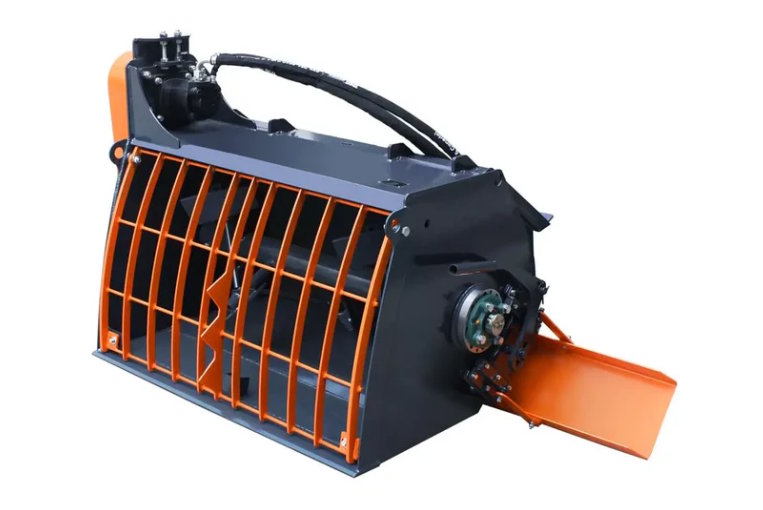
Construction and infrastructure development in Canada depend on efficient material handling and on site preparation. Concrete remains one of the most widely used materials in industrial, commercial, and logistics related construction. In many projects, especially in remote or confined locations, transporting pre mixed concrete is not always practical. Equipment that allows on site mixing provides flexibility and improves operational efficiency.
A skid steer concrete mixer is designed to attach to a skid steer loader, allowing operators to mix, transport, and pour concrete within the same workflow. This integration supports faster job completion and reduces dependency on external supply chains.
Importance in Canadian Construction and Industrial Operations
Canada has a wide range of construction environments, including urban infrastructure projects, rural developments, and industrial facility expansions. Weather conditions and geographic distances can affect material delivery schedules. On site mixing solutions allow contractors and facility managers to maintain control over concrete production regardless of location.
Skid steer concrete mixers are commonly used in:
- Foundation and footing construction
- Warehouse floor repairs
- Fence post installation
- Road and pathway maintenance
- Small scale infrastructure projects
For logistics and warehouse operations, the ability to perform repairs quickly can reduce downtime and maintain safe working surfaces.
Technology and Operational Principles
A skid steer concrete mixer operates by connecting to the hydraulic system of a skid steer loader. The attachment includes a rotating drum or mixing chamber that blends cement, aggregate, and water into a uniform mixture. The operator controls the mixing and discharge process from the skid steer cabin.
Equipment manufacturers such as TMG Industrial design these attachments to integrate with standard skid steer mounting systems, allowing compatibility with a wide range of machines used in industrial and construction settings.
Key Components
- Mixing drum or chamber
- Hydraulic motor system
- Discharge chute or outlet
- Mounting plate for skid steer connection
- Control valves for operation
Efficiency and Productivity Benefits
On site concrete mixing improves workflow efficiency by reducing delays associated with material transport. Operators can prepare concrete as needed and deliver it directly to the application area.
- Reduced reliance on external concrete delivery
- Faster response to repair or construction needs
- Lower material waste through controlled mixing
- Improved coordination between tasks
These advantages are important in industrial environments where timing and coordination affect overall productivity.
Technical and Capacity Considerations
Selecting a skid steer concrete mixer requires evaluation of project requirements and machine compatibility. Operators must consider the capacity of the mixing drum and the hydraulic performance of the skid steer loader.
- Mixing capacity and output volume
- Hydraulic flow requirements
- Compatibility with skid steer models
- Ease of loading materials into the drum
- Control of discharge flow
Proper equipment matching ensures consistent mixing performance and efficient operation.
Factors That Influence Performance
Several factors affect the performance of a skid steer concrete mixer during operation.
- Quality and proportion of raw materials
- Hydraulic system performance
- Operator experience and control
- Cleaning and maintenance practices
- Environmental conditions such as temperature
Consistent maintenance and proper operation help ensure reliable mixing results.
Safety Considerations and Best Practices
Concrete mixing equipment must be operated with attention to safety. Moving components and heavy materials create potential hazards if not handled correctly.
- Inspect hydraulic connections before operation
- Keep clear of moving parts during mixing
- Do not exceed equipment capacity limits
- Use proper personal protective equipment
- Clean the mixer after each use to prevent buildup
Supporting Equipment and Attachments
Skid steer concrete mixers are often used alongside other construction tools and attachments.
- Skid steer loaders
- Material buckets for aggregate transport
- Water supply systems
- Leveling tools for surface finishing
- Compaction equipment
Advantages and Limitations
Skid steer concrete mixers provide flexible and efficient solutions for on site material preparation.
- On demand concrete mixing
- Reduced transport requirements
- Integration with existing equipment
- Adaptability for small and medium projects
However, these systems may not be suitable for large scale projects that require continuous high volume concrete production. Proper planning is required to match equipment capacity with project demands.
Example from a Facility Maintenance Project
A warehouse facility in Ontario required repair of damaged concrete flooring in its loading area. Instead of scheduling multiple deliveries of ready mixed concrete, the maintenance team used a skid steer concrete mixer to prepare small batches on site. This approach allowed precise control over material usage and reduced downtime in the loading zone.
Conclusion and Future Trends
Skid steer concrete mixers support efficient construction and maintenance operations by enabling on site material preparation. They improve flexibility, reduce delays, and allow better coordination of tasks in industrial and logistics environments. As equipment technology evolves, future designs may include improved mixing efficiency, automated control systems, and enhanced compatibility with a wider range of machinery, supporting more advanced construction workflows.

