

Ensuring Maximum Light Transmission
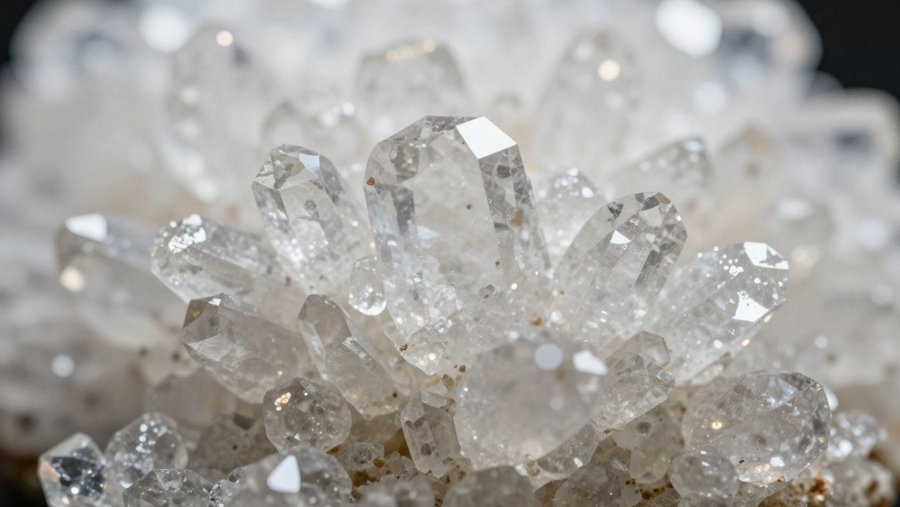
Low iron silica is the bedrock of high-performance solar glass. Without it, a significant amount of sunlight would just bounce off or get absorbed. This means less energy actually reaches the solar cells inside the panel. Think of it like trying to see through a dirty window – you lose clarity and brightness. The purity of the silica, specifically its low iron content, is what allows solar glass to be as clear as possible. This clarity is not just about looks; it's about maximizing the photons that can get through to do their job.
Minimizing Greenish Tint for Clarity
Have you ever noticed how some glass has a slight green hue? That's often due to iron impurities. In solar glass, this tint is a problem. It acts like a filter, absorbing certain wavelengths of light that the solar cells could otherwise use. Using low iron silica helps manufacturers create glass that is virtually colorless. This is super important because it means the glass doesn't interfere with the light spectrum needed for efficient energy conversion. The goal is a perfectly clear pane that lets the maximum amount of usable light pass through.
Meeting Stringent Purity Specifications
Solar glass isn't just any glass; it has to meet some really tough standards. Manufacturers need materials that are incredibly pure. Low iron silica is a key part of meeting these demands. The processing of silica sand involves steps like magnetic separation and acid leaching specifically to get that iron content down to very low levels, often below 0.01%. This level of purity is non-negotiable for producing solar glass that performs reliably over its long lifespan. It's all about consistency and quality from the very start.
Impact of Low Iron Silica on Photovoltaic Performance
Enhancing Energy Conversion Efficiency
The quality of silica used in photovoltaic manufacturing directly influences how well solar panels convert sunlight into electricity. When manufacturers use low iron silica, they are setting the stage for better performance right from the start. This high-purity material means less light gets absorbed by the glass itself, allowing more photons to reach the solar cells underneath. This improved light transmission is a key factor in boosting the overall energy conversion efficiency of the panel. Think of it like a clearer window – more light gets through to the collector.
The less iron present, the more efficient the solar cell can be. This isn't just a small difference; it can translate into noticeable gains in power output over the lifespan of the panel. For manufacturers, this means producing panels that meet or exceed performance expectations, which is vital in a competitive market. Using low iron silica is a smart move for anyone serious about maximizing the energy yield from their solar products.
Reducing Electrical Losses in Solar Cells
Iron, even in small amounts, can act as a trap for charge carriers within the silicon structure of a solar cell. These traps disrupt the flow of electrons, leading to electrical losses. When low iron silica is used to produce the silicon for these cells, the resulting material has fewer of these defects. This means the electrons generated by sunlight can move more freely through the semiconductor material, reducing recombination and therefore minimizing electrical losses.
This reduction in losses is critical for achieving high-performance solar cells. It directly impacts the fill factor and open-circuit voltage of the cell, two important metrics that determine its overall efficiency. By starting with a purer silicon base derived from low iron silica, manufacturers can produce cells that are more robust and deliver more consistent power output, even under varying light conditions.
Achieving High Transmittance Levels
Solar glass needs to be as transparent as possible to let sunlight reach the photovoltaic cells. Iron impurities in silica tend to give glass a greenish tint, which absorbs certain wavelengths of light, particularly in the red and infrared spectrum. Using low iron silica is the primary way to combat this. It allows for the production of glass with exceptionally high transmittance levels, often exceeding 91% across the relevant solar spectrum.
This high transmittance is not just about aesthetics; it's a functional requirement for maximizing energy capture. The less light that is absorbed or reflected by the glass cover, the more energy is available for conversion into electricity. Therefore, the careful selection and processing of silica to achieve low iron content are fundamental steps in manufacturing high-efficiency solar panels that perform optimally in real-world conditions.
Processing Silica for Low Iron Content
Getting silica sand ready for solar glass and PV manufacturing is a multi-step process. The main goal is to get that iron content way down. It's not just about digging it up; there's a lot of cleaning and refining involved to make sure the final product works as it should.
The Importance of Magnetic Separation
Magnetic separation is a big deal in cleaning up silica sand. Think of it like a super-strong magnet pulling out tiny bits of iron that are mixed in. This is key because even small amounts of iron can mess with how much light gets through the glass. High-intensity magnetic separators are often used to grab these iron particles. It's a pretty effective way to lower the iron oxide levels significantly, getting the silica closer to the purity needed for solar applications. This step is really about making sure the low iron silica we want is actually achieved.
Advanced Beneficiation Techniques
Beyond magnets, there are other ways to clean the sand. Beneficiation covers a bunch of methods aimed at improving the quality of the raw material. This can include things like washing the sand really well to get rid of dirt and other unwanted stuff. Sometimes, they use processes that make the good silica particles separate from the bad ones based on how they behave in water or with chemicals. These advanced techniques help remove more impurities, making the silica purer and ready for the next steps. It's all about getting the best possible silica out of the ground.
Acid Leaching for Impurity Removal
Acid leaching is another important step, especially for getting rid of stubborn impurities like iron that magnets might miss. The sand is treated with acids, like hydrochloric or sulfuric acid. This process dissolves certain minerals, including iron compounds, which are then washed away. It's a powerful method for further reducing iron content and other metallic impurities. This step is critical for meeting the super-strict purity requirements that solar glass manufacturers have. The result is a much cleaner silica, ready for making high-performance solar components.
Chemical Composition and Physical Characteristics
Silicon Dioxide Content Requirements
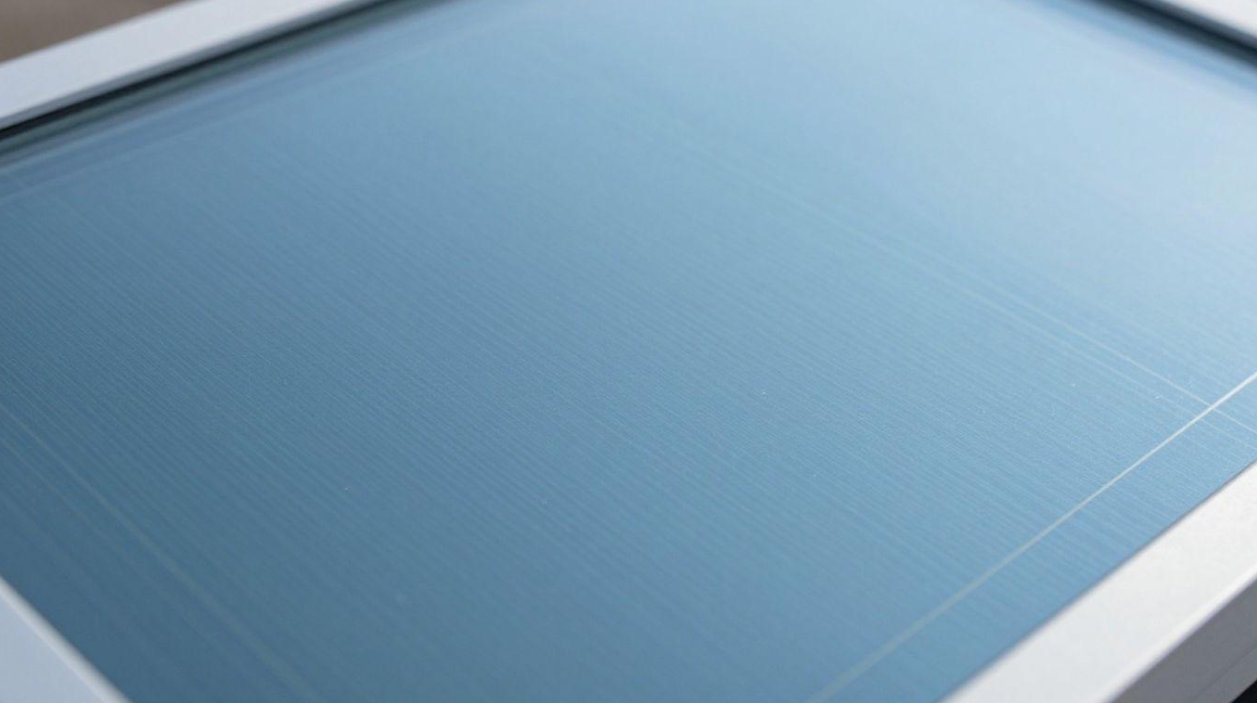
The primary ingredient for solar glass is silicon dioxide, or SiO₂. For solar applications, this needs to be exceptionally pure, typically above 99.5%. This high concentration of SiO₂ is what gives the glass its clarity and strength. Without enough silicon dioxide, the glass just won't have the right properties for capturing sunlight effectively. It's the backbone of the entire material.
Controlling Iron Oxide Levels
Iron oxide (Fe₂O₃) is the main culprit behind that greenish tint you sometimes see in glass. In solar glass, even small amounts of iron oxide can absorb a significant amount of light, which is bad for energy production. That's why manufacturers aim for very low iron oxide levels, often below 0.01%. Keeping iron levels down is a constant challenge, but it's super important for making sure the glass lets as much sunlight through as possible. This focus on low iron content is key.
Particle Size Consistency for Manufacturing
Beyond just what's in the material, how the silica sand is sized matters a lot. The particles need to be pretty uniform in size, usually falling within a specific range like 0.1 to 0.5 mm. If the particle sizes are all over the place, it can cause problems during the melting and forming stages of glass production. Consistent particle size helps everything flow smoothly and melt evenly, leading to a better final product. It's all about making the manufacturing process predictable and efficient.
The purity and physical form of silica are not just technical details; they directly impact the efficiency and lifespan of the solar panels they become a part of. Getting these characteristics right from the start saves a lot of trouble down the line.
Here's a quick look at typical requirements:
- Silicon Dioxide (SiO₂): >99.5%
- Iron Oxide (Fe₂O₃): <0.01%
- Particle Size: 0.1–0.5 mm (typical range)
Economic Advantages of Using Low Iron Silica
Reducing Waste and Reprocessing Costs
Using low iron silica from the start cuts down on a lot of headaches and wasted money. When you start with material that's already pretty clean, you don't have to spend as much time and resources trying to purify it further. This means fewer batches get rejected because they don't meet the purity standards needed for solar glass. Less reprocessing means lower operational costs and a quicker turnaround for your products. It's a pretty straightforward benefit that impacts the bottom line directly.
Improving Purification Yields
High-purity silica, especially the kind with very little iron, makes the whole purification process smoother. Think about it: if you have fewer impurities to deal with, your equipment works more efficiently. This leads to better yields, meaning you get more usable material from the same amount of raw silica. This improved yield is a big deal in manufacturing where every bit of material counts. The use of low iron silica directly contributes to these better outcomes.
Enhancing Final Product Efficiency Ratings
Ultimately, using low iron silica translates to better performing solar panels. When the glass is clearer and the silicon is purer, more sunlight gets converted into electricity. This means the final solar modules have higher efficiency ratings. Manufacturers can then market their products as more effective, which is a significant selling point. To validate these superior efficiency claims in the field, modern operators often pair these premium panels with solar performance ai to precisely track and optimize real-time energy output. It’s not just about saving money during production; it’s also about making a superior product that commands a better market position. The economic advantage here comes from increased product value and market competitiveness.
Sourcing and Supply Chain Considerations
Identifying High-Purity Quartz Deposits
Finding the right spots for high-purity quartz is the first step. It's not just about digging anywhere; it's about knowing where the earth has naturally concentrated the good stuff. Geologists look for specific rock formations and mineral signatures that indicate low iron content. These deposits are rare, making their discovery and responsible extraction a big deal for the solar industry. The quality of the raw silica sand directly impacts the final solar glass and photovoltaic cells.
The search for low iron silica often leads to specific geological regions known for their ancient, stable rock formations. These areas have undergone processes over millions of years that concentrate silica and remove impurities. Identifying these deposits requires specialized geological surveys and a deep understanding of mineralogy. It's a bit like finding a needle in a haystack, but the payoff for solar manufacturing is significant.
Ensuring Supply Reliability and Consistency
Once you find good deposits, you need to make sure you can get the material consistently. This means working with suppliers who have solid mining operations and good logistics. A reliable supply chain prevents production halts and keeps the solar panels coming off the line. We're talking about consistent quality, batch after batch, so the manufacturing process doesn't have to keep adjusting for material variations. This consistency is key for low iron silica.
- Secure long-term contracts with vetted suppliers.
- Diversify your supplier base to mitigate risks.
- Implement strict quality control checks at the source.
Consistency in the supply of low iron silica is not just a nice-to-have; it's a requirement for efficient and cost-effective solar manufacturing. Fluctuations in quality can lead to increased processing costs and lower energy conversion efficiency in the final solar modules.
Navigating Global Market Dynamics
The market for raw materials like silica sand can be tricky. Prices can change, and availability can be affected by global events. Manufacturers need to stay informed about market trends and potential disruptions. Building strong relationships with suppliers helps weather these market storms. It's about more than just the price; it's about having a partner you can count on.
Understanding global market dynamics is vital for securing a stable supply of essential raw materials like low iron silica. This includes monitoring geopolitical factors, trade policies, and demand shifts in the renewable energy sector.
Working with suppliers who have proper licensing and certifications, like IUP OPK in some regions, also adds a layer of security. It shows they are operating responsibly and legally, which reduces the risk of supply chain interruptions. This careful navigation of the market helps guarantee the steady flow of the high-quality silica needed for solar production.
Wrapping It Up
So, when you look at solar panels, remember the glass. That glass needs really pure silica sand, and not just any sand. It has to be low in iron to let the most sunlight through. Getting that right kind of sand involves a lot of careful steps, from mining to special cleaning processes. As we use more solar power, making sure we have enough of this special sand is going to be important. Companies that focus on providing this high-quality, low-iron silica are playing a big part in making solar energy work better and last longer.

