

Digital twin software is changing how people understand and manage the world around them. It's a virtual model of a physical system. It mirrors real conditions using data from sensors, devices, and connected systems. Instead of relying on static plans or outdated reports, teams can see what's happening in real time and respond with better insight.
This is useful across many areas, including city infrastructure and environmental monitoring. Still, building an effective digital twin takes more than plugging in data. It requires thoughtful planning, the right tools, and a clear understanding of goals.
Let's walk through practical tips that can help you build digital twins that are accurate, useful, and easy to maintain:
Start With a Clear Purpose
Before you build anything, you need to understand the problem you want to solve. Digital twin technology can support many goals. These could be monitoring roads, tracking energy use, or observing environmental conditions. But trying to do everything at once can make things messy.
A clear purpose helps shape your digital twin system from the start. It guides the type of real-time data you collect and how detailed your model should be. For example, a city transportation system may focus on traffic flow and connectivity. On the other hand, a utility network may focus more on asset monitoring alarms and system health.
When your goal is simple, it's easier to build something that actually works in day-to-day operations and maintenance. You'll also know which type of digital twin software you'll need, how it should handle real-time data, and whether it should focus more on visualization, simulation, or asset tracking. This will help you avoid extra complexity and focus on what really matters.
Choose the Right Data Sources
A digital twin depends on reliable inputs. Most systems rely on Internet of Things (IoT) devices, sensor data, and other connected devices to reflect real-world activity. The quality of your model depends heavily on how consistent and accurate the data is.
You should also consider where your real-time data is coming from and how often it updates. Some systems need constant streaming data, while others can work with slower updates. The key is matching the data flow to your use case.
In infrastructure projects, combining multiple data sources often works better than relying on one. It can improve visibility across physical assets and reduce blind spots in your digital model.
Keep Models Simple and Scalable
It's easy to get carried away and try to build a highly detailed system from the beginning. But a simpler setup usually works better in the early stages. A focused 3D model is easier to manage and improve over time.
You can start with key elements of your physical-based models, such as major structures, essential systems, or critical environmental zones. Then, expand as your needs grow.
Scalability matters too. A strong digital twin should adjust as conditions change without needing a full rebuild. This is especially important for long-term infrastructure lifecycle planning, where systems evolve.
Focus on Real-Time Integration
The real strength of digital twin technology comes from real-time integration. When data flows smoothly into the system, you can track changes as they happen rather than reacting after the fact.
This often depends on good connectivity and integration between systems. Application Programming Interfaces (APIs), cloud deployment, and streaming services all play a role in keeping everything in sync. Without that connection, even the best digital model can fall behind reality.
In many setups, real-time simulation can help teams test conditions quickly and adjust operations as needed. It can also support more responsive decision-making in both infrastructure and environmental systems.
Use Visualization to Make Data Useful
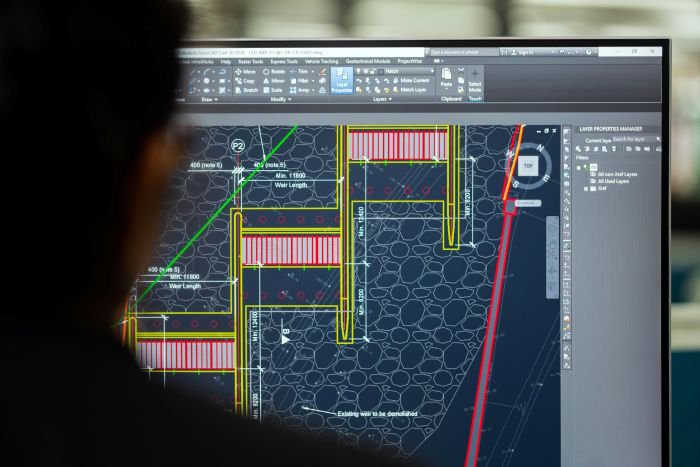
Raw data can be hard to interpret on its own. That's where visualization helps. A clear display can turn complex information into something easier to understand at a glance.
Dashboards, maps, and 3D views can show what's happening across physical systems in a simple way. For example, you might highlight pressure changes in a water network or temperature shifts in a city zone.
Good visualization also supports real-time monitoring. When teams can quickly see patterns or alerts, they can respond faster and with more confidence. It also makes the digital twin system more practical for everyday use.
Plan for Maintenance and Updates
A digital twin isn't something you set up once and forget. It requires regular care to stay accurate and useful. Sensors can drift, systems can change, and data sources may shift over time.
That's why ongoing maintenance is important. It can include checking data quality, updating models, and reviewing system performance. These steps help keep your real-time data reliable and consistent.
This also supports smoother operations and maintenance planning in the long run. A well-maintained system can reduce surprises and improve visibility across different parts of the infrastructure.
Consider Security and Data Privacy
Because digital twins rely on connected systems, security is crucial from the start. Many setups involve sensitive information tied to infrastructure, utilities, or public environments.
Access control is a key part of this. Using role-based access control helps ensure only the right people can view or change certain parts of the system. This reduces risk and keeps the system more stable.
Additionally, cloud deployment can introduce security vulnerabilities, making permission management even more crucial. Protecting real-time data and system access helps maintain trust and reliability over time.
Conclusion
Digital twin software helps turn complex real-world systems into clearer, connected models that are easier to understand and manage. When built with a clear purpose, reliable data, and a simple structure, it supports better day-to-day decisions without adding unnecessary complexity.
As it evolves, regular updates, strong integration, and teamwork help keep it accurate and useful. Over time, it becomes a practical tool for improving visibility, planning, and overall system performance.

