


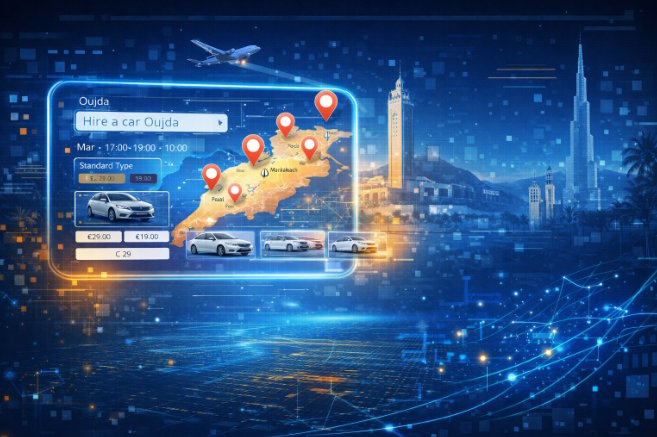
The digital transformation of car rental platforms has accelerated rapidly in recent years, driven largely by changing user expectations and advancements in technology. Today’s users demand speed, simplicity, and transparency when booking vehicles online. The days of complicated booking processes and unclear pricing are fading, replaced by intuitive platforms that prioritise user experience at every stage of the journey.
In regions like Morocco, where tourism and local mobility needs are growing steadily, platforms are adapting to cater to diverse user profiles. Whether travellers are planning road trips or residents are arranging daily transportation, the ability to hire a car Oujda seamlessly is becoming a key expectation. This shift is being shaped by a series of evolving UX trends that are redefining how users interact with car rental platforms.
Simplicity Is Becoming the Core of Booking Experiences
Modern users no longer have the patience to navigate complex interfaces or fill out lengthy forms. Simplicity has become one of the most critical elements of user experience in car rental platforms. Clean layouts, minimal steps, and clear navigation are now standard expectations rather than added features.
Platforms are focusing on reducing friction by streamlining the booking process into just a few steps. From selecting a vehicle to confirming a reservation, every interaction is designed to be as smooth as possible. This approach not only improves user satisfaction but also increases conversion rates, as users are less likely to abandon the process midway.
Mobile First Design Is Leading the Way
The majority of users now access car rental platforms through their smartphones, making mobile-first design a necessity. Platforms are optimising their interfaces to ensure seamless performance on smaller screens, with responsive layouts and touch-friendly navigation.
Features such as quick filters, swipeable car listings, and instant booking options enhance the mobile experience. Users can browse, compare, and book vehicles within minutes, aligning with the fast-paced nature of modern travel planning. In cities like Oujda, where users may rely heavily on mobile access, this trend plays a significant role in shaping user behaviour.
Transparency in Pricing Builds Trust
One of the most significant improvements in user experience is the emphasis on transparent pricing. Hidden fees and unclear terms have long been a pain point for users, leading to frustration and distrust. Modern platforms are addressing this by clearly displaying all costs upfront, including insurance, mileage limits, and additional charges.
This transparency allows users to make informed decisions without the need for extensive research or comparison. It also builds confidence in the platform, encouraging repeat usage. In competitive markets, trust has become a key differentiator, and pricing clarity is at the centre of that trust.
Personalisation Is Enhancing User Journeys
Personalisation is becoming increasingly important as platforms aim to deliver tailored experiences. By analysing user behaviour, preferences, and past interactions, platforms can present relevant options that match individual needs.
For example, a user frequently searching for compact cars may see similar models prioritised in future searches. This reduces the time spent browsing and creates a more efficient experience. Personalisation also extends to recommendations, where users are shown vehicles that align with their travel plans or budget.
Visual Content Is Driving Engagement
High-quality visuals are playing a crucial role in shaping user decisions. Users want to see detailed images of vehicles, interiors, and features before making a booking. Platforms are investing in professional photography and immersive visuals to provide a clearer understanding of what each vehicle offers.
In addition to images, interactive elements such as 360-degree views and video previews are becoming more common. These features allow users to explore vehicles virtually, enhancing confidence and reducing uncertainty. As visual content continues to evolve, it will remain a key component of user experience.
Faster Search and Instant Results
Speed is a defining factor in user experience. Users expect search results to load instantly and respond dynamically to their inputs. Platforms are leveraging advanced technologies to ensure fast performance, even when handling large volumes of data.
Real-time filtering and sorting options allow users to refine their searches quickly, while auto-suggestions help guide them towards relevant results. This level of responsiveness creates a smoother experience, encouraging users to stay engaged and complete their bookings.
Flexible Booking Options Are Gaining Popularity
Flexibility has become a major priority for users, particularly in the context of travel. Platforms are offering a wider range of booking options, including hourly, daily, weekly, and monthly rentals. This allows users to choose plans that best suit their needs.
In addition, features such as easy cancellations, modifications, and extensions are becoming standard. Users value the ability to adjust their bookings without complications, especially when travel plans change unexpectedly. This flexibility enhances overall satisfaction and builds long-term loyalty.
Integration of Local Experiences and Travel Needs
Car rental platforms are increasingly integrating local insights and travel recommendations into their interfaces. This includes highlighting popular routes, nearby attractions, and suggested itineraries. By combining mobility with travel planning, platforms create a more holistic experience.
For users exploring destinations like Oujda, this integration adds significant value. Instead of simply booking a vehicle, users can plan their entire journey within the same platform. This trend reflects a broader shift towards creating comprehensive travel solutions.
User Reviews and Social Proof Influence Decisions
User-generated content, such as reviews and ratings, plays a critical role in shaping user experience. Platforms are placing greater emphasis on showcasing feedback from previous customers, helping new users make informed decisions.
Positive reviews build trust and credibility, while detailed feedback provides insights into the quality of vehicles and services. This transparency encourages users to engage with the platform and increases confidence in their choices.
Bridging Local and Regional Mobility
As platforms expand their reach, they are connecting local markets with broader regional networks. This allows users to explore options beyond their immediate location, providing greater flexibility and choice.
For example, users searching for mobility solutions in Morocco may explore options across multiple cities, comparing availability and pricing. This interconnected approach enhances accessibility and supports a more seamless travel experience. At the same time, users looking for broader options such as car rental in Morocco can easily discover vehicles across different regions without switching platforms.
The Future of User Experience in Car Rental Platforms
The evolution of user experience in car rental platforms is far from complete. As technology continues to advance, new trends will emerge, further enhancing how users interact with these platforms. Artificial intelligence, voice search, and predictive analytics are expected to play an even greater role in shaping future experiences.
For users, this means faster, smarter, and more intuitive platforms that anticipate their needs and deliver personalised solutions. For businesses, it presents an opportunity to innovate and stay ahead in a competitive market.
Ultimately, user experience is becoming the defining factor in the success of online car rental platforms. Those that prioritise simplicity, transparency, and personalisation will continue to lead the way, while others risk falling behind. In markets like Morocco, where mobility needs are evolving rapidly, these trends will play a crucial role in shaping the future of car rentals.