

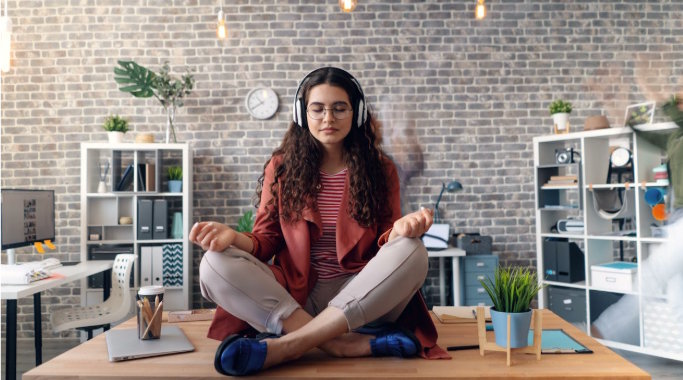
The world of work has shifted in ways nobody fully anticipated. And if you're among the professionals asking whether flexible work arrangements can genuinely improve work-life balance you're asking the right question.
According to a 2025 IFEBP survey, 78% of organizations now cite work-life balance as a primary reason for offering flexibility, up from 70% in 2017. The short answer? It depends enormously on how you use it. Let's dig into what the evidence actually shows.
The Hidden Pitfalls That Quietly Undo the Balance
Flexible work sounds ideal on paper. In practice, it can backfire and it often does for people who don't see the traps coming.
Building Psychological Separation at Home
If your remote office is also your kitchen table, developing after-work rituals becomes genuinely important. A brief walk. Changing out of work clothes. Brewing a specific tea after shutting your laptop. These micro-transitions signal your brain that the workday is finished and they matter more than most people initially believe.
When Work Has No Natural End
The "infinite workday" is real. When your professional life has no physical boundary, no commute to signal the end, no office door to close work has a way of bleeding into evenings and weekends. Always-on expectations quietly erode exactly the balance that flexibility was supposed to create.
Burnout Doesn't Always Announce Itself
Remote workers frequently log unpaid overtime without registering it consciously. The removal of the commute, ironically, removes the natural mental transition that once separated work-mode from home-mode.
The Flexibility Revolution Isn't Slowing Down
Flexible work has stopped being a perk. For millions of professionals today, it's become the baseline expectation for the floor, not the ceiling. Before we get into whether it helps, it's worth understanding what's driving the shift in the first place.
Hybrid Models Are Reshaping the Norm
Flexible work arrangements cover a wide spectrum of fully remote setups, hybrid schedules, compressed weeks, and everything in between.
Research increasingly points to two remote days per week as a particularly effective hybrid pattern, balancing career visibility with genuine personal flexibility.
When you work from a remote office, the benefits accumulate quietly but meaningfully: no commute eating your morning, a workspace shaped around how your brain operates, and the freedom to schedule deep work during your peak hours.
Small advantages? On paper, maybe. But compounded over months, they're significant.
Why Companies Keep Leaning Into Flexibility
Organizations offering flexible arrangements consistently report stronger retention numbers and higher employee satisfaction scores. Trust, it turns out, is motivating. When people feel ownership over their schedules, engagement follows almost automatically.
What Flexibility Actually Does to Your Day
Here's where it gets interesting. Flexibility doesn't just change where you work it changes the entire texture of your day in ways a salary increase simply cannot replicate.
Ownership Over Your Time Changes Everything
When you control when and where you work, you stop feeling like a passive participant in your own professional life. Parents can handle school pickups without scrambling. Night owls can stop pretending they're morning people. That sense of agency is central to employee well-being, not just a nice bonus.
The Quiet Science of Personal Rhythms
Research on "rhythm-making practices" reveals something fascinating: people naturally develop rituals: a morning walk, a proper lunch break, a deliberate end-of-day wind-down that help them mentally separate work from personal life. Hybrid work creates the conditions for these rituals to exist. Rigid office schedules largely don't.
Boundaries Require More Than Good Intentions
Practical tools matter too. Separate browser profiles for work and personal use, focus modes on your devices, a physically dedicated workspace aren't overthinking it. They're the infrastructure that makes balance sustainable rather than aspirational.
The Sweet Spot: How Much Remote Time Is Actually Optimal?
More remote time isn't always better. That's one of the more counterintuitive findings in the research and it's worth taking seriously.
What the Numbers Say
Studies consistently identify two remote days per week as the hybrid frequency most likely to support promotions while reducing turnover. Too much remote time can leave workers feeling isolated and overlooked. Too little, and the flexibility benefit largely disappears.
The productivity data reinforces this: 84% of employees report being more productive working hybrid or remote, with hybrid workers averaging 18% higher productivity overall. That's not a rounding error, it's a real competitive advantage.
Flexibility Isn't One-Size-Fits-All
Your colleague's ideal arrangement may not be yours. Gender, seniority, caregiving responsibilities, and job type all shape how much remote time actually helps. Smart organizations build policy that acknowledges this variation rather than forcing a single template onto everyone.
Strategies That Actually Move the Needle
These aren't platitudes. They're approaches grounded in how employee well-being functions in practice.
Define Your Physical and Digital Space
A dedicated work zone, even a specific chair trains your brain to associate that space with focus. Pair it with a hard end-of-day notification and a separate browser profile, and you've created genuine structure without needing an office building.
Anchor Your Schedule With Core Hours
Setting fixed overlap hours, say, 10 AM to 3 PM with your team dramatically reduces scheduling chaos. Time-block the rest of your day and protect both your productive windows and your personal time deliberately.
Treat Recovered Time as Sacred
The commute time you've reclaimed is real. Spend it on exercise, cooking, rest, or whatever restores you. Flexible arrangements that get filled with more work aren't actually flexible; they're just longer workdays with better lighting.
What Organizations Get Right (and Wrong)
Companies that embed flexible work arrangements into their culture, not just their policy documents see meaningfully better outcomes.
Scheduling tools, well-being stipends, mental health support, and intentional mentorship structures all reinforce a genuine commitment to balance rather than a performative one.
Caregivers and multi-role workers benefit especially when flexibility is structured rather than simply unscripted.
The Bottom Line
Flexible work arrangements, designed thoughtfully, are among the most effective tools available for building real work-life balance. But flexibility is raw material it doesn't build anything on its own.
The structure you impose, the habits you develop, and the boundaries you actually protect are what determine whether flexibility becomes freedom or just a longer leash. The opportunity is genuinely yours. What you build with it is entirely up to you.
Frequently Asked Questions
How many hours a week reflects good work-life balance?
The Mental Health Foundation recommends the 8-8-8 framework eight hours for work, eight for sleep, eight for personal life. Simple, but surprisingly effective as a daily anchor.
Can too much flexibility actually hurt balance?
Absolutely. Without deliberate boundaries, flexibility often produces an "infinite workday" where work encroaches on personal time steadily and invisibly.
What's the ideal number of remote days per week?
Research points to two days as the sweet spot supporting productivity and well-being while preserving in-person collaboration that benefits mentorship and career visibility.
What rituals help you mentally end the workday?
A short walk, changing clothes, or brewing something specific after closing your laptop can create meaningful psychological separation even when home and workspace overlap.
How do you avoid burnout while working from home?
Build genuine breaks into your schedule, protect lunch as actual rest, and plan at least one non-work social touchpoint daily. A sustainable routine beats perfect discipline every time.

