


Here are the key takeaways from our guide on warehousing providers:
- Partnering with a warehouse provider is crucial for optimizing your supply chain and improving inventory management.
- Services range from basic storage and order fulfillment to value-added options like kitting and returns management.
- Costs are typically structured around storage, labor, and fulfillment, but hidden fees for special handling can exist.
- Choosing the right provider involves evaluating location, scalability, security, and technology to ensure a good fit.
- A strategic partnership can lead to significant cost savings and enhanced logistics operations for your business.
Introduction
Choosing the right warehousing partner is crucial for any growing business. Warehousing providers go beyond storage—they manage inventory and fulfill orders, playing a key role in your supply chain. The right choice can streamline operations, cut costs, and let you focus on growing your brand. This guide covers services, costs, and essential factors to help you decide.
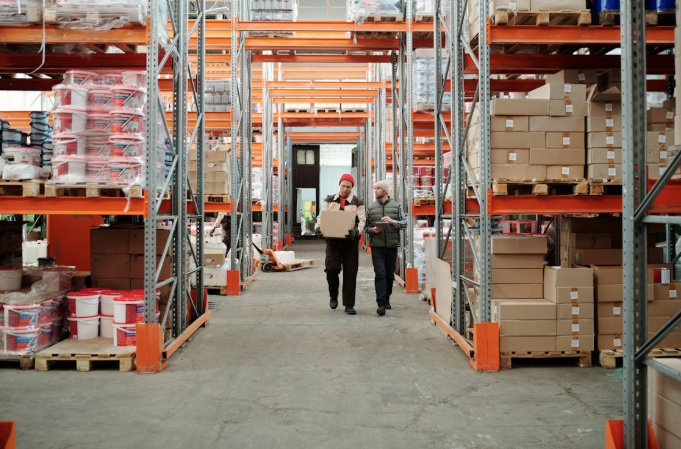
Understanding Warehousing Providers in Australia
In Australia, warehousing providers are vital to modern supply chains, giving businesses access to inventory management without the high costs of owning or leasing facilities. They handle storage and logistics, ensuring your products are ready for distribution when needed.
Whether it’s a busy Sydney distribution center or a specialized Perth warehouse, the right provider gives you a competitive edge. These partners connect your products to networks that support e-commerce brands, manufacturers, and wholesalers across Australia and into New Zealand.
What Do Warehousing Providers Offer Businesses?
Warehouse service providers offer essential storage for inventory, but their services go beyond just space. They manage your inventory lifecycle—from receiving goods to shipping orders—ensuring a seamless supply chain.
Their core offerings include order fulfillment: picking, packing, and shipping items. While standard providers focus on storage, many brands are now actively seeking out ecommerce fulfillment companies for fast shipping to ensure they can meet modern consumer expectations for rapid delivery.
These partners also provide real-time inventory control using advanced systems to prevent stockouts and overstocking.
Types of Warehousing Solutions Available Across Australia
When searching for warehousing solutions, you'll encounter several types designed for different business needs. The most common options are public and private warehouses, each with unique benefits. Fulfillment companies typically use these facilities to provide comprehensive services.
Distribution centers focus on quickly moving goods to their final destination, while other facilities specialize in long-term storage. Fulfillment centers are tailored for efficient e-commerce order processing.
Australian businesses can choose from various warehouse options:
- Public Warehouses: Shared spaces offering flexible, short-term storage for multiple clients.
- Private Warehouses: Facilities owned or leased by one company for exclusive use.
- Distribution Centers: Hubs dedicated to fast movement and distribution of goods.
- Cold Storage: Temperature-controlled facilities for perishable items.
Core Services Offered by Warehousing Providers
A professional warehousing company manages your inventory and streamlines fulfillment, acting as an extension of your team. Beyond storage, they handle order processing and ensure products reach customers accurately and on time.
Skilled staff and strong customer service set top fulfillment partners apart. They manage daily logistics so you can scale your business without operational hassles. Here are the main services you can expect:
Storage Options, Inventory Management, and Order Fulfillment
Warehousing services primarily offer secure storage for your goods, with flexible options like pallet racks for bulk items and shelving for smaller products. The aim is to keep inventory safe, organized, and accessible as your needs grow.
Effective inventory management uses advanced systems to maintain high accuracy and provide real-time stock visibility. This helps prevent stockouts, manage reorder points, and guide product decisions.
Order fulfillment completes the process by picking, packing, and shipping items accurately. To meet the rising expectations of consumers, many top-tier providers now integrate directly with same-day freight services, allowing urgent orders to bypass standard transit times and reach their destination within hours of leaving the warehouse dock. The quality of this service directly affects customer satisfaction and your brand reputation.
Value-Added Services: Kitting, Packing, Returns, and Assembly
Many providers offer value-added services to boost supply chain efficiency and tailor solutions to your business needs. These services improve customer experience and streamline operations.
Examples include:
- Kitting and Assembly: Bundling multiple products or SKUs into ready-to-ship sets—ideal for subscription boxes or promotions.
- Custom Packaging: Using branded materials for a distinctive unboxing experience that strengthens brand identity.
- Returns Management (Reverse Logistics): Handling returns, inspecting items, and restocking inventory—crucial for e-commerce.
- Labeling and Repackaging: Applying special labels or adjusting packaging to meet sales channel requirements.
These specialized services can make a significant impact on your operations.
How Warehousing Providers Structure and Calculate Service Costs
Understanding how warehousing providers calculate service costs is key to budgeting and choosing the right partner. Pricing is usually based on the services you need, including storage, labor, fulfillment, and distribution.
Costs vary depending on your product type, order volume, and complexity. Knowing the main cost drivers helps you anticipate expenses and avoid surprises. Let’s look at common pricing structures and what affects your final bill.
Standard Pricing Models and Major Cost Drivers
Warehousing providers typically use standard pricing models, separating charges for receiving, storage, and fulfillment. Receiving fees cover unloading and inventorying stock, while storage fees are based on space used (per pallet or square foot). Fulfillment fees—covering picking, packing, and shipping prep—are usually charged per order or item. Labor is a key cost driver across all services, and advanced technology can impact pricing but often improves efficiency.
Common warehousing cost drivers:
|
Cost Category |
Description |
|
Receiving |
Charged per hour or unit for unloading and processing inbound shipments. |
|
Storage |
Billed monthly based on space used (per pallet, bin, or square foot). |
|
Fulfillment (Pick & Pack) |
Charged per order or item picked to fulfill customer orders. |
|
Shipping |
The courier cost to deliver the package to the end customer. |
|
Account Management |
Recurring fee for support, reporting, and system access. |
Hidden Fees and Additional Warehouse Charges to Watch Out For
While most providers are upfront about pricing, hidden fees can still appear on your invoice. Review warehouse contracts carefully and ask questions to clarify any unclear terms.
Extra charges often come from services outside the standard agreement—such as special product handling, sudden spikes in shipping volume, or non-standard transportation costs.
To avoid surprises, always inquire about potential additional fees. Common extra charges include:
- Onboarding or Setup Fees: One-time costs to integrate your systems with the provider.
- Minimum Monthly Spend: Required monthly spending, even if your volume is low.
- Special Project Fees: Charges for tasks like kitting or inventory counts.
- Chargebacks for Non-Compliance: Fees for shipments that don’t meet receiving requirements.
Choosing the Right Warehousing Provider for Your Business
Choosing the right fulfillment partner has a lasting impact on your business. Look for a provider whose service, capabilities, and culture match your needs—one that offers supply chain visibility and can scale with you.
Follow best practices to find a partner who supports your goals. Focus on value and reliability, not just price. Here are the key factors to consider.
Key Factors: Location, Scalability, Security, and Technology
Location is crucial—a well-placed warehouse reduces shipping times and costs, improving supply chain efficiency. Choose providers with facilities near your customer base.
Scalability matters. Your warehousing partner should handle growth, seasonal spikes, and expansion by offering flexible space and services.
Security is essential. Look for robust protection against theft, damage, and other risks.
Technology counts. A modern warehouse management system (WMS) ensures real-time inventory tracking, order management, and reporting for effective supply chain control.
- Location: Warehouses near customers lower freight costs and speed up deliveries.
- Scalability: Easily adjust storage and services to match demand.
- Security: 24/7 monitoring and insurance safeguard your inventory.
- Technology: Advanced WMS provides inventory visibility and seamless integration.
Comparing Providers, Contracts, and Customization Options
When comparing service providers, don’t focus solely on price. Request detailed proposals from shortlisted candidates and compare their service levels, contract terms, and communication practices. Responsive customer support is crucial when issues arise.
Carefully review contracts—note the agreement length, termination clauses, and liability terms. A reliable partner offers clear, fair terms and is open to discussing your concerns. Flexibility and customization in warehouse logistics are also key.
Can the provider tailor services like workflows, packaging, or reporting to fit your needs? Customization can greatly enhance your supply chain management. Ask for references to assess their service quality with other clients.
- Request Detailed Proposals: Get comprehensive breakdowns of costs and services.
- Review Contracts: Examine term lengths, liability, and scalability clauses.
- Assess Customer Support: Evaluate responsiveness and expertise.
- Ask for References: Speak with current clients for honest feedback.
Conclusion
Choosing the right warehousing provider can greatly impact your operations, costs, and overall success. Understanding core services, pricing, location, and technology helps you make informed decisions aligned with your needs. The right partner should enhance your supply chain and support growth. For help finding the best warehousing solution for your business, reach out today—your journey to optimized logistics starts now!
Frequently Asked Questions
What are the advantages and disadvantages of outsourcing warehousing?
Outsourcing warehousing offers major advantages like reduced costs, access to expertise, and scalability, which boost logistics operations. However, potential disadvantages include less direct control over your inventory and service quality. Choosing a reliable partner is key to maximizing benefits while minimizing risks and ensuring customer satisfaction.
How can Australian businesses reduce overall warehousing costs?
Australian businesses can reduce warehousing costs by optimizing inventory levels to minimize storage fees and improving demand forecasting. Partnering with a provider that offers efficient warehouse management and strategic locations can also lead to significant cost savings in labor and shipping, improving overall operational efficiency and supply chain performance.
Which factors have the biggest impact on warehousing expenses?
The biggest factors impacting warehousing expenses are labor costs, the amount of storage space required, and order volume. The complexity of your inventory management and any special handling needs also play a major role. Choosing service providers with transparent pricing helps you manage these costs effectively.

