

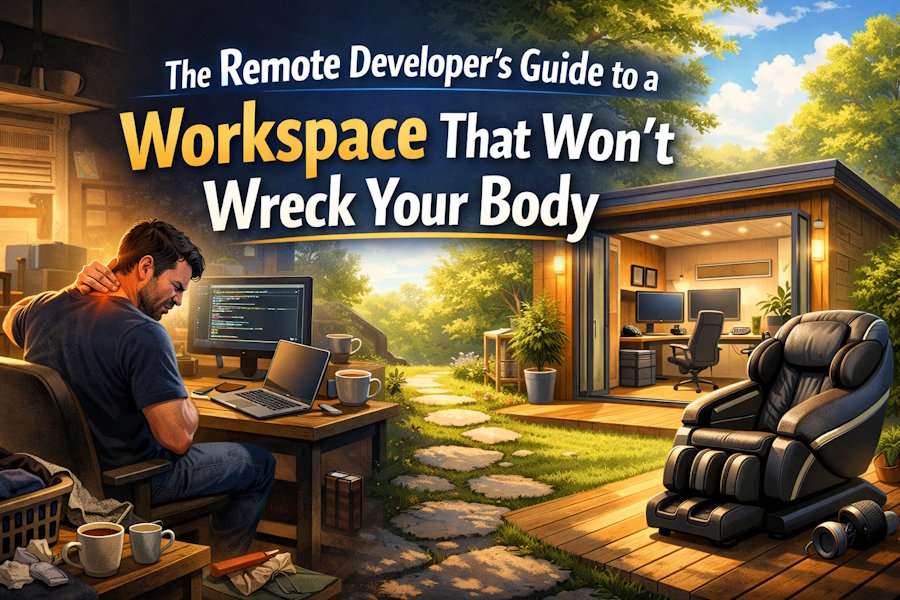
There's a running joke in software development that the real bugs aren't in the codebase. They're in our posture. After a decade of remote work becoming the default for most of the industry, the evidence is hard to ignore: developers are spending more time at their desks than ever, and their bodies are paying the price.
We optimise everything else. Our editors, our terminal configs, our CI/CD pipelines. But the physical environment where all that work happens? For a lot of us, it's still a kitchen table, a spare corner of the living room, or a bedroom desk wedged between the wardrobe and the wall.
If your workspace is holding you back, or worse, slowly breaking you down, here's what's actually worth fixing.
The Context Switching Problem Nobody Talks About
Developers already know that context switching kills productivity. Jumping between tasks, channels, and codebases burns mental energy faster than almost anything else. But there's a version of context switching that has nothing to do with software, and it's just as damaging.
When your office is also your kitchen, your lounge, or your bedroom, your brain never fully commits to any single mode. You're half working, half aware that there's washing to fold or a fridge to raid. And when the workday ends, you're half relaxing, half thinking about that unresolved merge conflict because you're literally sitting in the same spot.
The developers who report the highest satisfaction with remote work are almost always the ones who have created physical separation between their workspace and the rest of their home. It doesn't need to be a separate room. But it does need to be a clearly defined space that your brain associates with focused, productive work.
Why More Developers Are Moving Their Office Outside
Dedicated home offices are great in theory, but not everyone has a spare room to convert. That's why standalone backyard studios have become one of the most popular workspace solutions for remote tech workers in Australia.
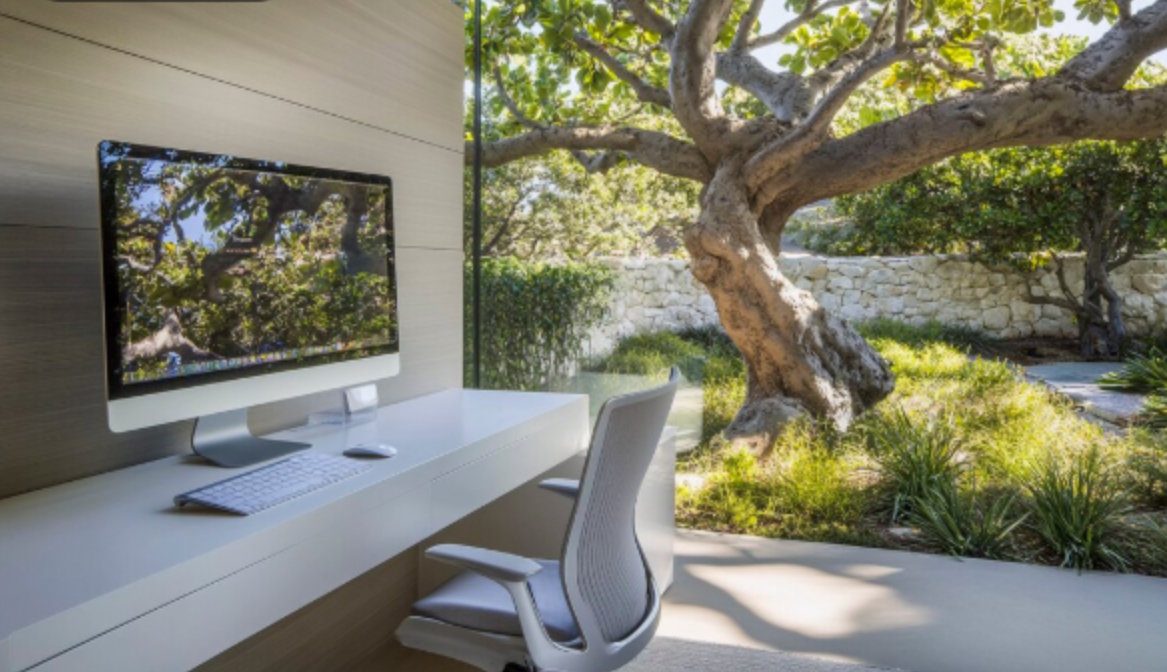
The concept is simple. A purpose-built, insulated structure in your backyard that functions as a fully equipped office. Power, internet, lighting, climate control, and enough separation from the house that your morning "commute" creates a genuine mental shift between home mode and work mode. Twenty steps across the garden and you're in a different headspace entirely.
For developers specifically, the appeal goes beyond just having a quiet space to code. A standalone office means no interruptions from housemates or family during deep work sessions. It means being able to run a second monitor setup, a standing desk, and proper audio gear for pair programming calls without taking over the dining table. It's a permanent solution to a problem that too many of us have been patching with temporary workarounds for years.
If you've been thinking about making the switch, taking the time to find the perfect backyard office that fits your block and your workflow is a smart first move. Options range from compact single-desk pods to larger builds that can accommodate a full multi-monitor setup with room to spare. Most are designed to be installed without major council approvals, and many include built-in cable management and connectivity, which any developer will appreciate.
They also tend to add real value to your property, which makes them an investment rather than just an expense.
The Physical Cost of Writing Code for a Living
Let's talk about what eight-plus hours of sitting and typing actually does to your body. Most developers know the feeling: tight shoulders, a stiff neck, lower back pain that starts as a whisper and eventually becomes a shout. Wrist strain that flares up during long coding sessions. Headaches that arrive like clockwork every afternoon.
These aren't just minor inconveniences. Repetitive strain injuries, chronic back problems, and tension headaches are among the most common health issues reported by software professionals. And the longer you ignore them, the harder they are to reverse.
The standard advice is to take regular breaks, stretch, and invest in ergonomic furniture. All of that helps. But for developers who have already accumulated years of tension and postural damage, active recovery needs to go further than a five-minute stretch between sprints.
Recovery Tools That Actually Work for Desk-Bound Developers
There are plenty of products marketed at people with desk jobs, and most of them are gimmicks. Posture correctors that you stop wearing after a week. Balance boards that collect dust under the standing desk. The stuff that actually works tends to be less flashy but far more effective.
A quality massage chair, for example, is one of those purchases that sounds indulgent until you actually use one consistently. Modern units are a world away from the coin-operated chairs at the shopping centre. They use body-scanning technology to map your frame, target specific muscle groups, and run programs that combine kneading, rolling, compression, and heat therapy to address exactly the kind of tension that long coding sessions create.
For developers in Australia who want to take their recovery seriously, researching the best full body massage chair Australia retailers carry is time well spent. A good chair pays for itself quickly when you compare the ongoing cost of fortnightly remedial massage appointments. And because it's in your home, you can use it daily, which is where the real benefit compounds.
Twenty minutes in a massage chair after a long day of coding does more for your back and shoulders than a week of promising yourself you'll stretch more. Most developers who buy one say it becomes as essential to their daily routine as their morning coffee.
Building a Sustainable Remote Setup
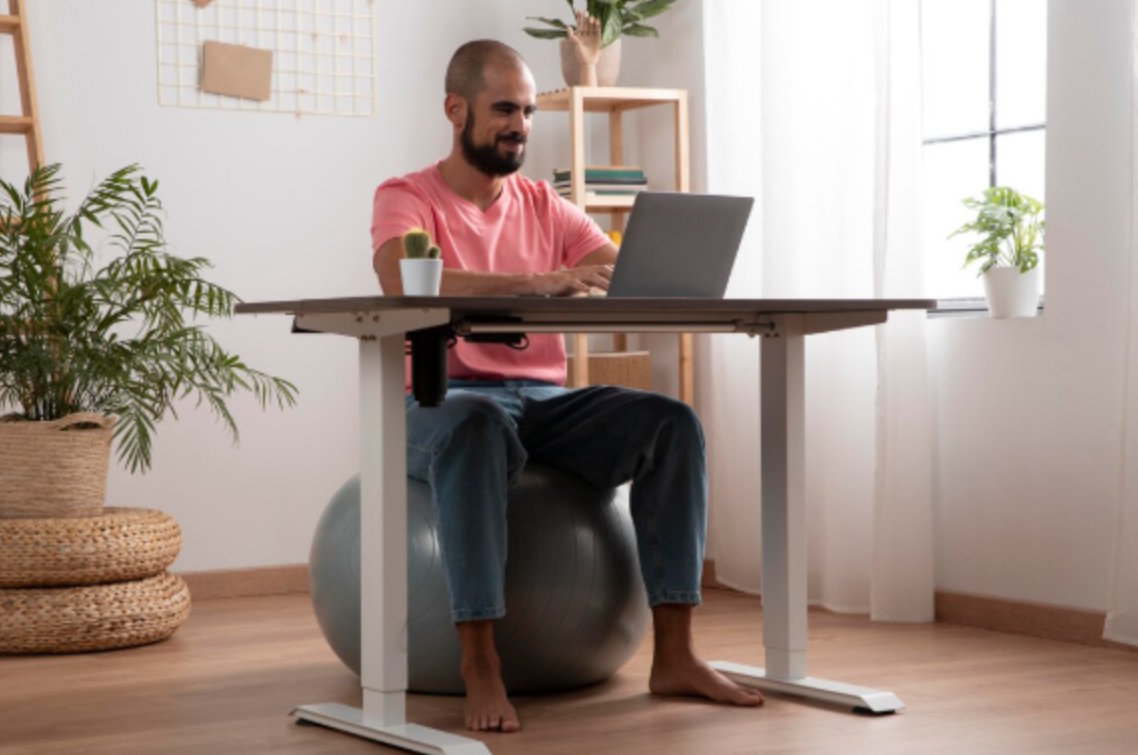
The developers who thrive long-term in remote roles are the ones who treat their physical environment and physical health with the same seriousness they give their technical skills. A dedicated workspace eliminates the mental friction of context switching. Proper recovery tools prevent the cumulative damage that desk work inflicts over years.
Neither of these things is a luxury. They're infrastructure. Just like you wouldn't run production code on a server with no monitoring, you shouldn't run your career on a body and workspace that are slowly degrading.
For more practical tools and resources for your development workflow, browsing the free developer tools collection is always worth a look. But don't forget that the most important system you maintain isn't the one running your code. It's the one running you.
Start with whichever problem is costing you the most right now. Fix the workspace. Fix the back pain. Then iterate from there. You already know how to ship improvements incrementally. Apply that same approach to the rest of your setup.

