

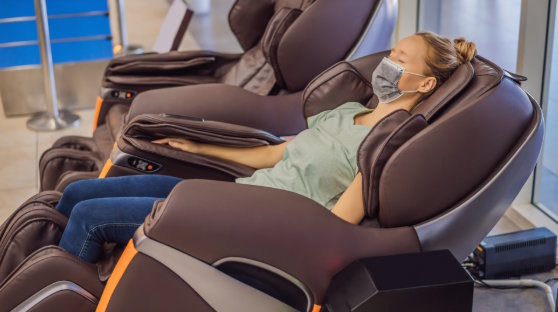
Buying a massage chair isn’t a small decision. Spend a few thousand on the wrong one, and you may end up with poor body support, weak massage intensity, or a chair that doesn’t last.
The truth is, a full body massage chair is less about luxury and more about daily wellness for busy professionals, active lifestyles, and people managing stress or pain. Most owners use their massage chairs often, not just once in a while.
That’s why making a smart choice matters. This guide breaks down massage chair features in a simple way, helping you find the right option and avoid a costly mistake.
Choosing a Massage Chair: Key Features That Count
Browsing through the best massage chairs lists online rarely helps. What you usually get is vague terminology, contradictory user reviews, and feature descriptions that sound impressive but reveal almost nothing about real-world performance.
If you're evaluating where to buy massage chairs from a reputable, trusted source, brands offer ACA-certified options with meaningful in-home service support, worth factoring in from the start.
This massage chair buying guide is structured around the massage chair features that genuinely shape comfort, therapeutic outcome, and durability over time, nothing else.
Full-Body Massage Chair Essentials for Smart Buyers
Before jumping into features, it's worth grounding the conversation in who these chairs are actually built for, because that shapes every recommendation that follows.
Who Actually Benefits Most?
These aren't chairs built purely for relaxation seekers. Chronic pain patients managing flare-ups between appointments, remote workers with perpetually stiff necks, post-training athletes dealing with muscle fatigue, seniors with circulation challenges, and overextended parents who haven't had a proper recovery session in months, all of them have specific, pressing needs that a well-matched chair can address consistently.
Why Most Buying Advice Misses the Mark
The uncomfortable truth? Most "best of" buying guides prioritize chairs that pay for their placement. Genuine guidance means honestly mapping massage chair features, track geometry, roller mechanism, and airbag coverage against the actual human being who'll sit in the chair daily.
Core Massage Chair Features That Actually Matter
Understanding your use case gets you oriented. But knowing which chair fits your life means understanding the handful of mechanical and design factors that separate a genuinely valuable full-body massage chair from an expensive object that looks good in a showroom.
Massage Track Design: S-Track vs. L-Track vs. SL-Track
Track design is the single most structurally significant decision you'll make. An S-track follows the spine's natural curvature, effective for upper-back and neck relief, but limited in coverage.
An L-track extends under the glutes and often reaches the hamstrings, delivering true full-body reach. An SL-track merges both designs, giving you the therapeutic range of an L-track with the spinal contouring of an S-track.
For desk workers dealing with low-back or hip tension, SL-track is almost always the right answer. Someone who primarily needs upper-back and neck attention, without requiring a deep recline, may find an S-track sufficient.
Roller Type and Depth: 2D vs. 3D vs. 4D
Once you've settled on the right track, roller design determines the quality of what's actually being done along it.
2D rollers move vertically and horizontally, acceptable for light relaxation, but limited for real therapeutic work. 3D rollers add depth projection, which is where genuine pressure and muscle engagement begin. 4D rollers introduce variable speed and rhythm within each movement cycle, approximating human hands more convincingly than anything else on the market.
Athletes and anyone managing chronic muscular tension genuinely need 3D or 4D. Older users or those with pressure sensitivity are often better served by adjustable 2D or mild 3D systems with independent zone controls.
In 2024, over 2.1 million units sold globally incorporated AI-driven features like body scanning and personalized programming, confirming that intelligent roller systems are no longer a premium novelty. They're the direction the entire category is moving.
Heat Therapy That Makes a Real Difference
Strong rollers lay the groundwork, but heat paired with compression unlocks a qualitatively different level of muscle relief. The zones that produce the most meaningful results are the lumbar region, seat, calves, and feet.
A single heat panel stretched across the entire backrest doesn't accomplish much. What you want is per-zone control, or at a minimum, individual on/off toggles by region. For arthritis sufferers or anyone managing chronic stiffness, robust, targeted heat therapy isn't an optional upgrade. It's a requirement.
Fit and Comfort Factors That Matter More Than Tech Specs
Even the most feature-rich chair fails if it doesn't physically accommodate your body. Fit is non-negotiable.
Matching Chair Dimensions to Your Height and Leg Length
Height range claims on specification sheets are frequently misleading. A chair marketed as fitting users up to 6'3" may only have rollers that realistically reach the mid-back on someone that tall.
For shorter users, the critical variable is whether the footrest elevates enough for the soles of their feet to make proper contact with the foot rollers. If they can't, the chair simply won't work for them, regardless of price tier.
Weight Capacity and Seat Depth
Exceeding a chair's rated weight limit won't necessarily cause immediate failure, but it accelerates motor and mechanical wear considerably.
Seat depth is equally important. Larger users need adequate hip room to sit without feeling constrained, because restriction directly compromises both comfort and the effectiveness of the massage itself.
Budget Planning for the Best Massage Chairs
With features and fit in focus, the logical next question is how much you realistically need to spend.
|
Price Tier |
Range |
Best For |
|
Entry-Level |
$600–$1,500 |
Casual relaxation, first-time buyers |
|
Mid-Range |
$1,500–$4,000 |
Daily full-body therapy, most users |
|
Premium |
$4,000–$10,000+ |
Chronic pain, athletes, and multi-user homes |
The mid-range tier is where SL-tracks, 3D rollers, and meaningful heat zones become genuinely standard. Premium chairs layer in 4D roller systems, advanced body scanning, and heavier-duty frame construction, justified for high-frequency users with demanding therapeutic needs.
Full Body Massage Chair Recommendations by User Profile
With fit, budget, and core features mapped, these full-body massage chair recommendations translate the framework into practical profiles built around real user needs.
Daily relaxation seekers should focus on quiet motor operation, dependable heat, intuitive controls, and solid lumbar coverage.
Athletes need aggressive 3D or 4D rollers, robust foot-and-calf modules, and dedicated stretch programs. Desk workers benefit most from chairs with strong neck-and-shoulder programming and session options that work in an upright position.
Seniors should prioritize the widest possible intensity range at the lower end, generous padding throughout, and clearly labeled remote controls.
Frequently Asked Questions
1. What should you look for in a full-body massage chair?
Start with track design (SL-track for most buyers), roller depth (3D minimum for therapeutic outcomes), airbag zone coverage, heat distribution, dimensional fit for your body, and a credible in-home warranty, before weighing any additional features.
2. Can massage chairs help with sciatica?
Yes, and meaningfully so. Consistent use of a quality chair with lumbar heat, zero-gravity positioning, and adjustable deep-tissue roller intensity can deliver real relief for sciatic discomfort over time.
3. How long do massage chairs typically last with daily use?
A well-constructed mid-range or premium chair, properly maintained, typically performs reliably for seven to ten years. Budget models under daily use frequently show mechanical deterioration within two to three years.
Choosing the Right Massage Chair
The best massage chair isn't the one carrying the longest spec sheet or the loudest marketing campaign. It's the chair that fits your body correctly, aligns with your health goals, holds up under sustained daily use, and comes backed by a service commitment you can actually count on.
Use this massage chair buying guide to evaluate every option against the factors that truly matter: track design, roller mechanism, heat zone coverage, dimensional fit, and warranty terms. When those five elements align with your specific situation, the right choice becomes genuinely clear and worth every dollar you invest in it.

