

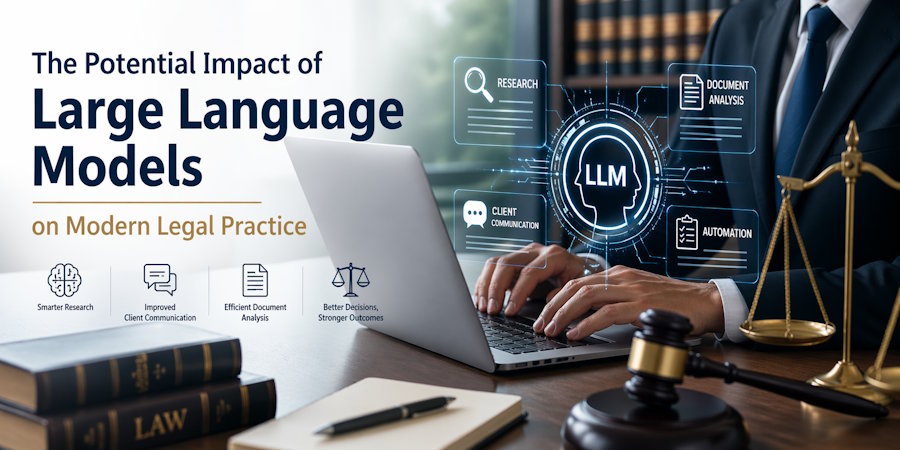
Large Language Models are redefining how professionals interact with vast amounts of textual information across the globe. These systems process linguistic patterns to provide contextually relevant answers, making them a powerful tool for anyone dealing with high volumes of complex data every year.
The legal field is uniquely positioned to benefit from this technology because the practice of law is fundamentally built on language and interpretation. From drafting contracts to researching statutes, the ability to synthesize information quickly allows for a much more efficient practice.
Integrating these models into a modern firm helps reduce the time spent on repetitive tasks while maintaining a high level of quality. Many practitioners are now exploring the benefits of ChatGPT for lawyers to enhance their productivity and client service capabilities.
Automating Intake and Translation
Automating routine client intake is one of the most practical applications for these models in a busy office environment. By using a conversational interface, a firm can gather essential details from potential clients without requiring a staff member to be present.
These systems can answer frequently asked questions about legal procedures or firm policies at any time of the day. This immediate response builds trust with the public and ensures that the legal team can focus on the most critical parts of the case.
Using these models to translate complex legal jargon into plain language is another vital way to improve the client experience. When a person understands their options in simple terms, they feel more confident and empowered throughout the entire and stressful litigation process.
Analysis and Brainstorming
Analyzing sentiment and identifying key themes in large discovery datasets is a task that traditionally took weeks of manual labor. Modern models can scan through thousands of email threads or documents to find the specific patterns that are most relevant to a dispute.
This rapid synthesis allows for a more thorough investigation of the facts without the high costs of a massive manual review team. Identifying the most important evidence early on provides a strategic advantage that can influence the direction of a settlement negotiation.
Generative models also assist in brainstorming diverse legal arguments by providing different perspectives on a single set of facts. This collaborative approach helps attorneys identify potential weaknesses in their position before they ever step into a courtroom or a formal mediation session.
Firm Economics and Competition
The shift in law firm economics is moving away from billing for hourly administrative tasks and toward value-based work. As automation handles the routine details, the focus turns to the strategic and empathetic elements of advocacy that only a human professional can provide.
This transition allows for more transparent pricing models that benefit the client and the firm simultaneously over the long term. By reducing the overhead associated with manual research, the legal team can offer more competitive rates while maintaining high margins for their services.
Artificial intelligence helps smaller firms compete with the massive resources of Big Law entities by leveling the technological playing field. A solo practitioner can now process a volume of information that previously required a large staff of associates and dedicated researchers daily.
Disclosures and Privacy
Navigating the regulatory and court-mandated disclosures for the use of artificial intelligence is a necessary part of a modern practice. Many jurisdictions now require attorneys to certify that their filings have been reviewed by a human and are not entirely machine-generated.
Transparency with the court and the client ensures that the technology is used ethically and within the bounds of professional standards. Failing to disclose the use of these tools can lead to serious disciplinary actions or a loss of trust from colleagues.
Protecting work product while utilizing public-facing or third-party interfaces is another critical concern for every firm. Using private instances of these models ensures that sensitive information remains confidential and is never used to train the general system for other users outside.
Conclusion
Long-term changes to the way lawyers learn and practice will define the next decade of the profession across every single state. The ability to leverage technology for research and drafting will be as fundamental as the ability to read a law book.
Final reflections on the necessity of literacy in this field suggest that the next generation of attorneys must be comfortable working alongside machines. This partnership allows for a level of precision and speed that was previously impossible for even the most dedicated.
While the tools continue to evolve, the core values of the legal profession remain centered on justice and human connection. By adopting these systems responsibly, we can create a future where the law is more accessible and efficient for every person involved.

