

Inspection technologies have evolved significantly, and you are no longer limited to surface-level observations when evaluating systems or equipment. In modern operations, decision-making depends on accurate, real-time data rather than assumptions or delayed reporting. This shift has made thermal imaging one of the most valuable tools across industries, allowing you to move beyond visible inspections and analyze temperature patterns to uncover hidden inefficiencies and risks.
Thermal cameras play a critical role in this process by converting heat signatures into actionable data. This enables you to detect anomalies, assess system performance, and make informed decisions based on measurable insights. Whether you are working with electrical systems, mechanical equipment, or building infrastructure, thermal imaging provides a deeper understanding of operational conditions and supports more effective maintenance, diagnostics, and long-term planning.
What Is Driving the Shift from Visual Inspection to Data-Driven Analysis?
Traditional inspection methods rely heavily on visual checks and manual assessments, which can limit your ability to detect underlying problems. You may identify obvious defects, but subtle issues often remain unnoticed until they escalate into serious failures. This limitation is one of the main reasons industries are transitioning toward data-driven analysis.
When you adopt a data-focused approach, you rely on measurable parameters rather than subjective judgment. Thermal imaging provides quantifiable temperature data that allows you to detect deviations from normal operating conditions. This improves the accuracy of your inspections and reduces the likelihood of oversight.
Another factor driving this shift is the increasing complexity of modern systems. As equipment becomes more advanced, identifying faults requires more sophisticated tools. Thermal cameras enable you to analyze performance at a deeper level, making them essential for maintaining efficiency and reliability. By embracing data-driven analysis, you can make more informed decisions and reduce operational risks.
How Do Thermal Cameras Capture Actionable Data?
Thermal cameras operate by detecting infrared radiation emitted by objects and translating it into a visual format that represents temperature variations. Every surface you observe emits heat, and the camera captures these emissions to create detailed thermal images. These images allow you to identify patterns and anomalies that indicate potential issues.
The data captured by thermal cameras is highly precise, enabling you to measure temperature differences across surfaces and components. This level of detail is crucial for identifying early-stage faults that may not yet be visible. For example, a slight temperature increase in a component could signal the beginning of a failure.
Modern thermal cameras are equipped with advanced sensors and software that enhance accuracy and usability. You can adjust settings, analyze data in real time, and store results for further evaluation. This makes it easier to integrate thermal imaging into your workflow and use the data for informed decision-making.
What Do Thermal Images Really Tell You About System Health?
Thermal images provide more than just visual representations of heat. They offer insights into the condition and performance of systems by highlighting temperature variations that deviate from expected norms. When you analyze these images, you can identify patterns that indicate inefficiencies or potential failures.
Using a thermal camera from thermalmaster.com allows you to capture detailed thermal data and interpret it effectively. Different colors in a thermal image correspond to different temperature levels, helping you quickly identify areas of concern. For instance, a hotspot in an electrical panel may indicate excessive resistance or a failing component.
Understanding how to interpret these images is essential for accurate diagnostics. You need to consider factors such as environmental conditions, material properties, and operational context. By combining these elements with thermal data, you can gain a comprehensive understanding of system health and take appropriate action.
How Can Thermal Data Support Root Cause Analysis?
Root cause analysis involves identifying the underlying reason behind a problem rather than just addressing its symptoms. Thermal data plays a crucial role in this process by providing insights into temperature-related anomalies. When you detect unusual heat patterns, you can trace them back to their source and determine the cause of the issue.
For example, an overheating motor may initially appear to be a mechanical problem. However, thermal analysis could reveal that the issue stems from electrical inefficiency or improper load distribution. This allows you to address the actual cause rather than applying temporary fixes.
By incorporating thermal data into your analysis, you improve the accuracy of your diagnostics. This reduces the likelihood of recurring issues and ensures that your maintenance efforts are effective. Root cause analysis supported by thermal imaging enables you to make smarter decisions and optimize system performance.
How Is Thermal Imaging Applied in Electrical System Diagnostics?
Thermal imaging is widely used in electrical diagnostics because it allows you to detect issues that are not visible through standard inspection methods. Electrical components often generate heat when they are under stress, making temperature analysis a reliable indicator of potential problems.
When you inspect electrical systems using thermal imaging, you can identify hotspots that indicate loose connections, overloaded circuits, or insulation failures. These issues can lead to significant damage if not addressed promptly.
You can also use thermal data to assess load distribution and ensure that systems are operating within safe limits. By monitoring temperature variations, you gain a clearer understanding of how electrical components are performing. This helps you maintain system reliability and prevent unexpected failures.
What Role Does Thermal Imaging Play in Mechanical Performance Optimization?
Mechanical systems rely on proper alignment, lubrication, and load distribution to function efficiently. Thermal imaging helps you evaluate these factors by identifying areas where heat is being generated due to friction or stress.
Consider the following applications of thermal imaging in mechanical optimization:
- Detecting Friction and Wear: Excessive heat in moving parts often indicates friction or wear. By identifying these areas early, you can perform maintenance before the issue worsens. This helps extend the lifespan of your equipment.
- Monitoring Lubrication Effectiveness: Insufficient lubrication can lead to increased friction and heat generation. Thermal imaging allows you to assess whether components are properly lubricated and functioning as intended.
- Identifying Misalignment Issues: Misaligned components can create uneven stress and heat distribution. Thermal analysis helps you detect these problems and correct them to improve efficiency.
By using thermal imaging for mechanical optimization, you can enhance performance and reduce the risk of unexpected failures.
How Can Thermal Cameras Improve Quality Control Processes?
Quality control is essential for ensuring that products meet required standards and specifications. Thermal cameras provide a unique advantage by allowing you to detect defects that may not be visible through traditional inspection methods.
For example, in manufacturing processes, thermal imaging can reveal inconsistencies in material properties or assembly quality. Variations in temperature may indicate defects such as poor bonding, uneven coating, or internal flaws. By identifying these issues early, you can maintain product quality and reduce waste.
Thermal imaging also supports process optimization by providing insights into how production systems are operating. You can monitor temperature distribution across equipment and identify areas where improvements are needed. This helps you maintain consistency and achieve higher levels of efficiency in your operations.
How Does Thermal Imaging Enhance Energy Audits?
Energy efficiency is a critical concern in modern operations, and thermal imaging plays a key role in identifying areas where energy is being wasted. By visualizing heat flow, you can detect inefficiencies in building systems and infrastructure.
Here are key ways thermal imaging supports energy audits:
- Identifying Heat Loss in Buildings: Thermal images reveal areas where heat is escaping, such as poorly insulated walls or windows. Addressing these issues helps reduce energy consumption and improve efficiency.
- Evaluating HVAC System Performance: Uneven temperature distribution can indicate problems with heating or cooling systems. Thermal analysis allows you to identify and resolve these inefficiencies.
- Detecting Air Leaks and Insulation Gaps: Air leaks can significantly impact energy efficiency. Thermal imaging helps you locate these gaps and take corrective action.
By incorporating thermal imaging into energy audits, you can achieve better performance and reduce operational costs.
Why Is Training Important for Accurate Thermal Data Interpretation?
Accurate interpretation of thermal data requires a solid understanding of both the technology and the systems being analyzed. Without proper training, you may misinterpret thermal images and draw incorrect conclusions.
Training helps you understand how to adjust camera settings, interpret color scales, and account for environmental factors. This ensures that the data you collect is accurate and reliable. It also enables you to identify subtle anomalies that may indicate early-stage issues.
In addition, training improves your ability to integrate thermal imaging into your workflow. You can develop standardized procedures for inspections and reporting, ensuring consistency across your operations. By investing in training, you maximize the value of thermal imaging and enhance your decision-making capabilities.
What Are the Future Trends in Smart Thermal Diagnostics?
Thermal imaging technology continues to evolve, offering new opportunities for smarter diagnostics and improved efficiency. One of the most significant trends is the integration of artificial intelligence and machine learning. These technologies enable automated analysis of thermal data, helping you identify patterns and anomalies more quickly.
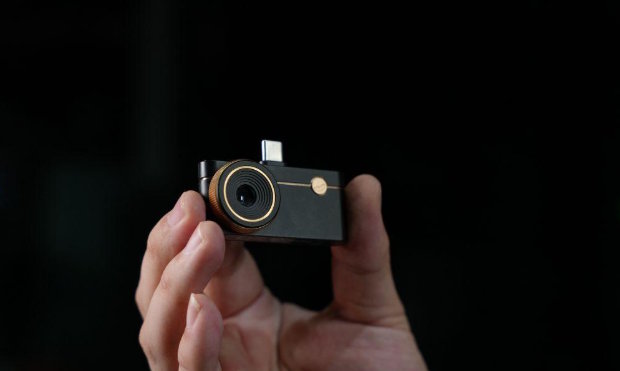
Another trend is the development of more compact and portable devices. Smartphone-compatible thermal cameras allow you to perform inspections with greater flexibility and convenience. This makes thermal imaging accessible to a wider range of professionals.
Real-time monitoring is also becoming increasingly important. Advanced systems can continuously track temperature changes and provide alerts when anomalies are detected. This allows you to respond तुरंत to potential issues and maintain optimal performance.
By staying informed about these trends, you can take advantage of new technologies and enhance your maintenance strategies.
Conclusion
Thermal cameras have transformed the way you approach inspection and decision-making by providing detailed, actionable insights into system performance. Instead of relying on surface-level observations, you can now analyze temperature data to identify hidden issues, optimize processes, and prevent failures. This shift toward data-driven analysis improves accuracy, efficiency, and overall reliability.
From electrical diagnostics to mechanical optimization and energy audits, thermal imaging offers a wide range of applications that support smarter operations. By understanding how to capture, interpret, and apply thermal data, you can make informed decisions that enhance performance and reduce risks.
As technology continues to advance, thermal cameras will play an even greater role in shaping modern maintenance strategies. By integrating these tools into your workflow, you position yourself to achieve long-term success and operational excellence.

