

Introduction
When you invest in gaming equipment, you are not just buying accessories, you are shaping your entire experience. The quality of your setup directly influences how you perform, how comfortable you feel during long sessions, and how long your equipment lasts. With so many options available, making the right choices can feel overwhelming, especially when different products offer varying levels of performance and durability.
To build a setup that truly supports your needs, you must look beyond surface features and focus on functionality, compatibility, and long-term value. Whether you are a casual gamer or someone who spends hours refining skills in simulation environments, the right equipment can make a noticeable difference. This guide helps you understand how to evaluate gaming gear effectively, ensuring that every component contributes to a balanced and efficient setup. By making informed decisions, you can create a system that delivers consistent performance while remaining comfortable and reliable over time.
Understanding Your Gaming Style and Needs
Before selecting any equipment, you need to clearly define how you use your gaming setup. Different styles of gaming require different levels of precision, responsiveness, and immersion. A casual player may prioritize simplicity and ease of use, while a competitive or simulation-focused user may require advanced features and high-performance hardware.
You should consider how often you play and what types of games you engage with most. Racing, flight, and sports simulations demand specialized equipment that can replicate real-world mechanics. On the other hand, general gaming setups may focus more on versatility and convenience.
Understanding your goals also helps you avoid unnecessary purchases. If you know what features are essential for your experience, you can focus your budget on the components that matter most. This approach ensures that your setup is both efficient and tailored to your needs.
By aligning your equipment with your gaming style, you create a foundation that supports consistent performance and long-term satisfaction.
Performance vs. Price: Finding the Right Balance
Balancing performance and price is one of the most important aspects of choosing gaming equipment. While it may be tempting to invest in the most expensive options, higher cost does not always guarantee better performance for your specific needs. Understanding where to allocate your budget ensures that you get the best value.
Entry-level equipment can provide reliable functionality for basic use. These options are often more affordable and suitable for beginners. However, they may lack the precision and durability required for advanced applications. Mid-range equipment offers a balance between cost and performance, making it a popular choice for many users who want reliable gear without committing to premium-level pricing, and retailers like Gamer Gear Direct often provide a wide range of options across different gaming and simulation categories.
High-end equipment is designed for maximum performance and longevity. These products often include advanced features and superior build quality. While the initial investment is higher, the long-term benefits can justify the cost if you require consistent performance.
You should evaluate each component based on its impact on your overall experience. By prioritizing essential features and avoiding unnecessary upgrades, you can build a setup that meets your needs without exceeding your budget.
Ergonomics and Physical Comfort During Long Sessions
Comfort is a critical factor that is often overlooked when selecting gaming equipment. If your setup is not ergonomically designed, it can lead to fatigue and reduced performance over time. Proper positioning and support allow you to maintain focus and avoid strain during extended sessions.
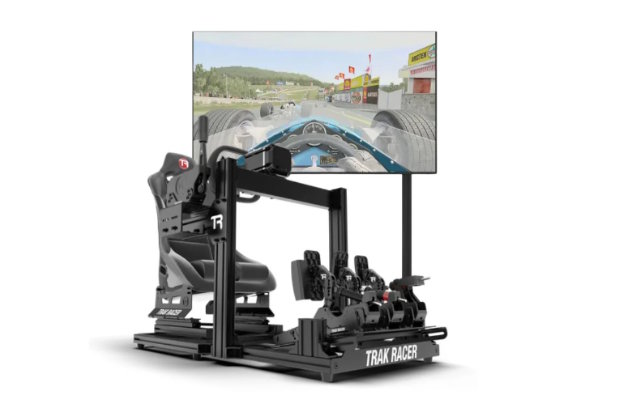
You should pay attention to seating, control placement, and posture. Adjustable chairs and mounts help you find a comfortable position that supports your body. This is especially important for simulation setups where you may remain in the same position for long periods.
When exploring equipment through Gamer Gear Direct, you will notice that seating systems, mounts, and control accessories are designed to improve both comfort and long-term usability.
By prioritizing ergonomics, you create a setup that supports both comfort and productivity. This allows you to enjoy longer sessions without compromising your physical well-being.
Material Quality and Build Durability
The materials used in gaming equipment play a significant role in determining its durability and performance. High-quality materials ensure that your equipment can withstand regular use without losing functionality. This is particularly important for components that experience constant interaction, such as controllers and mounts.
You should look for products that use sturdy materials like reinforced metals or high-grade composites. These materials provide stability and resistance to wear. Poorly constructed equipment may degrade quickly, leading to reduced performance and additional costs.
Build quality also affects how equipment feels during use. Solid construction provides a sense of reliability and precision, which enhances your overall experience. This is especially noticeable in simulation gear where accuracy is essential.
Investing in durable equipment reduces the need for frequent replacements. By choosing products with strong construction and reliable materials, you ensure that your setup remains functional and effective over time.
Compatibility Across Devices and Platforms
Compatibility is a key factor that determines how well your gaming equipment integrates with your system. Without proper compatibility, even high-quality components may fail to deliver their full potential. Ensuring that all parts work together seamlessly is essential for a smooth experience.
You should verify that your equipment supports your preferred platform, whether it is a PC or console. Some devices are designed for specific systems and may require additional adapters or software to function correctly. Checking compatibility in advance helps you avoid technical issues.
Software integration is equally important. Drivers and firmware updates ensure that your equipment operates efficiently and remains up to date. Regular updates can improve performance and add new features.
By focusing on compatibility, you create a setup that operates smoothly and efficiently. This allows you to concentrate on your experience rather than troubleshooting technical problems.
The Importance of Feedback and Responsiveness
Feedback and responsiveness are essential for achieving precision and control in gaming. These factors determine how accurately your inputs are translated into actions within the game. High-quality equipment provides immediate and consistent responses, allowing you to react quickly to changing conditions.
You will notice that advanced systems offer detailed feedback through various mechanisms. This includes resistance, vibration, and other tactile responses that simulate real-world interactions. These features enhance your connection to the game and improve your ability to make precise adjustments.
Here are key aspects to consider:
- Input latency: Low latency ensures that your actions are reflected instantly in the game. This improves accuracy and reduces frustration during fast-paced scenarios.
- Tactile feedback systems: Feedback mechanisms provide physical sensations that mimic real-world conditions. This enhances immersion and helps you interpret in-game events.
- Consistency of response: Reliable performance ensures that your equipment behaves predictably. This allows you to develop muscle memory and improve over time.
- Sensitivity adjustments: Adjustable settings allow you to fine-tune your equipment to match your preferences. This improves comfort and control.
By prioritizing feedback and responsiveness, you create a setup that supports precision and enhances your overall experience.
Customization and Adjustability Features
Customization allows you to tailor your gaming setup to your specific preferences. Adjustable components provide flexibility, enabling you to create an environment that feels comfortable and intuitive. This is particularly important for simulation setups where precision and positioning are critical.
You should look for equipment that offers adjustable mounting points, seating positions, and control configurations. These features allow you to adapt your setup as your needs evolve. Customization also helps accommodate different users if the setup is shared.
Modular designs are another advantage. Equipment that can be expanded or reconfigured provides greater versatility. This allows you to upgrade individual components without replacing the entire system.
By choosing customizable equipment, you create a setup that remains adaptable and relevant over time. This flexibility enhances both comfort and performance, ensuring a better overall experience.
Aesthetic vs. Functional Design Choices
While aesthetics can enhance the visual appeal of your setup, functionality should always be the primary consideration. A well-designed system balances appearance with performance, ensuring that visual elements do not compromise usability.
You may be drawn to equipment with stylish designs or unique features. While these can add personality to your setup, it is important to evaluate how they affect functionality. Equipment that prioritizes appearance over performance may not deliver the results you expect.
Here are key considerations when balancing design and function:
- Practical layout: Equipment should be arranged in a way that supports efficient use. A clean and organized layout improves accessibility and comfort.
- Material and finish quality: Aesthetic elements should not compromise durability. High-quality finishes enhance both appearance and longevity.
- Lighting and visual effects: Decorative features can enhance the atmosphere, but they should not distract from gameplay. Subtle integration is often more effective.
- Ergonomic design: Functional design should prioritize comfort and usability. This ensures that your setup remains practical during extended sessions.
By focusing on both aesthetics and functionality, you create a setup that is visually appealing and highly effective.
Maintenance, Upkeep, and Product Lifespan
Proper maintenance is essential for preserving the performance and longevity of your gaming equipment. Regular care helps prevent wear and ensures that your setup continues to operate efficiently. Neglecting maintenance can lead to reduced performance and costly repairs.
You should clean your equipment regularly to remove dust and debris. This prevents buildup that can affect functionality. Checking connections and components ensures that everything remains secure and operational.
Updating software and firmware is another important step. These updates often include improvements that enhance performance and stability. Staying up to date ensures that your equipment remains compatible with new systems and features.
By maintaining your equipment properly, you extend its lifespan and protect your investment. This allows you to enjoy consistent performance over time.
Future-Proofing Your Gaming Setup
Future-proofing involves selecting equipment that can adapt to evolving technology. As gaming systems continue to advance, your setup should be able to accommodate new features and requirements. Planning for the future ensures that your investment remains valuable.
You should look for components that support upgrades and expansions. Modular designs allow you to replace individual parts without rebuilding your entire setup. This flexibility makes it easier to keep your system up to date.
Compatibility with emerging technologies is also important. Equipment that supports new standards and features will remain relevant for longer. This reduces the need for frequent replacements.
By planning ahead, you create a setup that evolves with your needs. This approach ensures long-term performance and adaptability, allowing you to enjoy a high-quality gaming experience for years to come.
Conclusion
Choosing the right gaming equipment requires careful consideration of performance, comfort, and long-term value. By understanding your needs and evaluating each component thoughtfully, you can build a setup that supports both efficiency and enjoyment.
From ergonomics to compatibility, every factor plays a role in shaping your experience. Investing in durable and adaptable equipment ensures that your system remains reliable over time.
As technology continues to evolve, a well-planned setup allows you to adapt and grow without unnecessary costs. By making informed decisions, you create a gaming environment that delivers consistent performance and lasting satisfaction.

