

Introduction
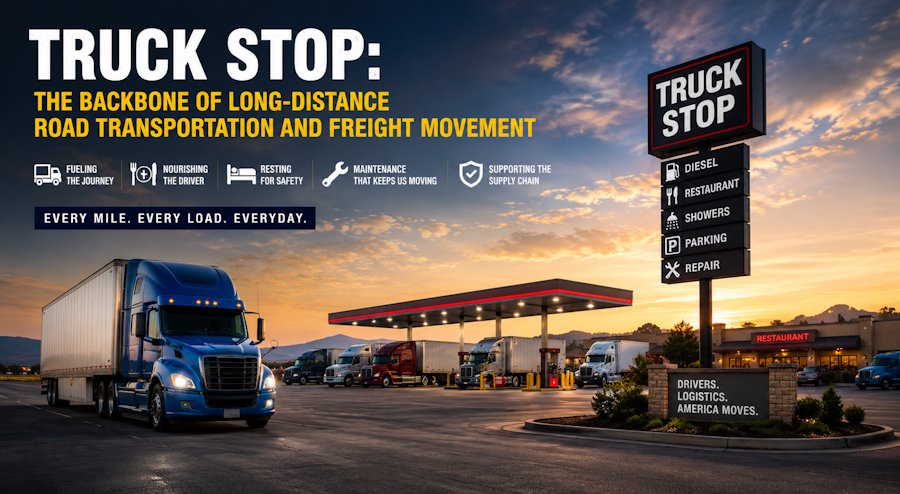
A truck stop is a specialized commercial facility designed to serve the needs of truck drivers and long-haul travelers. Unlike ordinary fuel stations, truck stops provide a wide range of services including refueling, parking, rest areas, food services, vehicle maintenance, and sometimes even lodging. These facilities play a crucial role in supporting the logistics and transportation industry, which forms the backbone of global trade and supply chains.
Truck stops are strategically located along highways, interstates, and major freight corridors to ensure that drivers have access to essential services during long journeys. As road transportation continues to grow, truck stops have evolved into fully equipped service hubs that support both drivers and their vehicles.
The Role of Truck Stops in Transportation
The transportation industry depends heavily on truck stops to maintain efficiency and safety. Long-haul truck drivers often travel for hours or even days across regions, transporting goods such as food, fuel, construction materials, and consumer products. Without proper rest and refueling points, both drivers and vehicles would face significant risks.
Truck stops help reduce driver fatigue by offering safe resting areas. Fatigue is one of the leading causes of road accidents in freight transportation, and regulated rest periods are mandatory in many regions. These facilities provide parking spaces where drivers can legally and safely rest while complying with transportation regulations.
Additionally, truck stops ensure that vehicles remain in optimal condition by offering fuel, lubrication, tire services, and basic maintenance. Reliable lubricant suppliers can also help trucking operators maintain the oils and fluids needed for long-distance vehicle operation. This minimizes breakdowns and improves overall supply chain efficiency.
Key Services Offered at Truck Stops
Modern truck stops are far more than simple fuel stations. They function as multi-service complexes designed to meet the diverse needs of professional drivers.
Fueling Services
Fuel is the most essential service at any truck stop. Diesel fuel pumps are typically high-speed to accommodate large commercial vehicles. Many truck stops also offer fuel discounts or loyalty programs for frequent users, helping trucking companies reduce operational costs.Truck parking is one of the most critical features. Large parking lots are designed to accommodate dozens or even hundreds of trucks. These spaces are often monitored for security to ensure the safety of drivers and cargo.
Truck stops usually include restaurants, fast food outlets, or convenience stores. Drivers rely on these facilities for meals during long trips. Some larger truck stops even offer 24-hour dining services to accommodate irregular travel schedules.
Restrooms and Shower Facilities
Clean and accessible restrooms are essential for driver comfort. Many truck stops also provide shower facilities, allowing drivers to refresh during long journeys. This is particularly important for maintaining hygiene and overall well-being.Basic maintenance services such as tire repair, oil changes, and minor mechanical fixes are often available. Some truck stops are equipped with full-service repair shops that can handle more complex mechanical issues.Certain truck stops include motels or sleeping pods for drivers who need extended rest. These accommodations provide a comfortable environment for recovery before continuing long-distance travel.
Importance of Truck Stops in Supply Chains
Truck stops play a vital role in maintaining the efficiency of supply chains. Nearly all physical goods transported over land depend on trucks at some stage of delivery. Without reliable truck stop infrastructure, transportation delays would increase significantly.Efficient truck stops reduce downtime by allowing drivers to refuel, rest, and perform necessary maintenance without deviating far from their routes. This helps logistics companies maintain tight delivery schedules and meet customer demands.Furthermore, truck stops contribute to road safety by encouraging regulated rest breaks. This reduces the risk of accidents caused by fatigue or vehicle malfunction.Truck stops are not only important for transportation but also for local economies. They generate employment opportunities in areas such as hospitality, maintenance, retail, and security. In many rural or highway-adjacent regions, truck stops serve as major economic hubs.They also support small businesses by providing retail opportunities within convenience stores and food outlets. Fuel sales alone generate significant revenue, making truck stops a profitable sector within the transportation industry.
Modernization and Technological Advancements
In recent years, truck stops have undergone significant modernization. Technology has transformed how these facilities operate and serve customers.Many truck stops now offer digital payment systems, mobile apps for parking reservations, and real-time fuel pricing updates. Some advanced locations even provide electric vehicle charging stations as the transportation industry gradually shifts toward cleaner energy solutions.Fleet management systems are also integrated with truck stop services, allowing companies to monitor fuel consumption, track driver rest periods, and optimize route planning.
Safety and Security Measures
Safety is a top priority at truck stops. Since they handle valuable cargo and operate 24/7, security systems are essential. Most facilities are equipped with surveillance cameras, security personnel, and well-lit parking areas.These measures help prevent theft, vandalism, and unauthorized access. Drivers can rest more comfortably knowing that their vehicles and cargo are secure.
Challenges Faced by Truck Stops
Despite their importance, truck stops face several challenges. One of the biggest issues is overcrowding, especially in high-traffic transportation corridors. Limited parking space can lead to congestion and unsafe parking practices.Another challenge is maintaining cleanliness and hygiene due to high usage rates. Facilities must be regularly cleaned and maintained to ensure driver satisfaction.Additionally, rising fuel prices and operational costs can impact profitability, making it essential for truck stops to adopt efficient management practices.
Environmental Considerations
As environmental concerns grow, truck stops are also adapting to more sustainable practices. Many facilities are investing in energy-efficient lighting, waste management systems, and alternative fuel options.Electric truck charging stations are becoming increasingly common as electric freight vehicles enter the market. Some truck stops are also exploring solar energy solutions to reduce their environmental footprint.These initiatives not only benefit the environment but also align with global efforts to reduce carbon emissions in the transportation sector.
Future of Truck Stops
The future of truck stops is closely tied to advancements in transportation technology. Autonomous trucks, electric vehicles, and smart logistics systems are expected to reshape the industry.Truck stops of the future may include automated parking systems, robotic fueling stations, and advanced digital coordination with fleet operators. These innovations will further improve efficiency and reduce human error in logistics operations.Despite these changes, the core purpose of truck stops will remain the same: to provide essential support services for drivers and vehicles on the road.
Conclusion
A truck stop is much more than a roadside facility; it is a critical component of the global transportation network. By offering fuel, rest areas, maintenance services, and safety support, truck stops ensure that goods are delivered efficiently and safely across long distances.Their role in supporting drivers, improving supply chain efficiency, and contributing to local economies makes them indispensable to modern logistics. As the transportation industry continues to evolve, truck stops will adapt and expand their services to meet future demands while maintaining their essential function on the road.

