

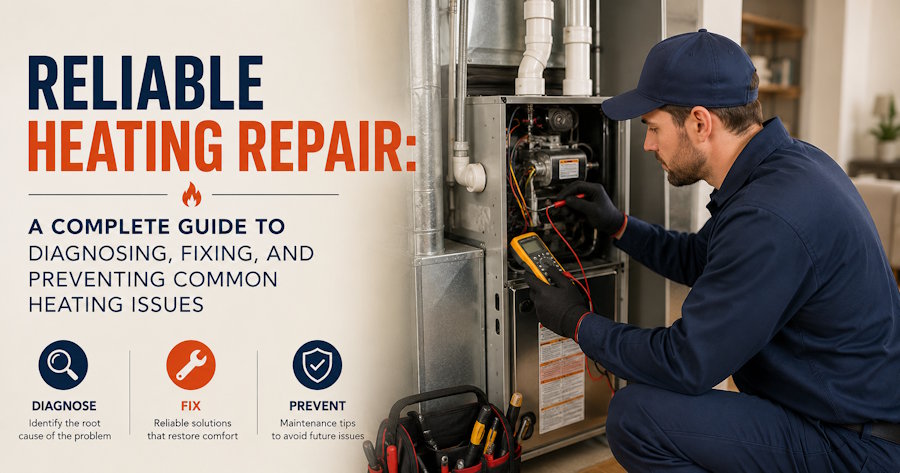
A well-functioning heating system is essential for maintaining comfort, safety, and energy efficiency, especially during colder months. When a heating system fails or begins to perform poorly, it can quickly disrupt daily life and lead to increased energy costs. Understanding the basics of heating repair helps homeowners and property managers respond quickly to problems, reduce downtime, and avoid expensive replacements. Whether the issue is minor or complex, having a clear understanding of how heating systems work and how they are repaired can make a significant difference in maintaining a comfortable indoor environment.
Understanding How Heating Systems Work
Heating systems are designed to generate and distribute warmth throughout a building. The most common types include furnaces, boilers, and heat pumps. Each system operates differently, but they all rely on key components such as a heat source, distribution system, and control mechanism.
Furnaces typically use gas or electricity to generate heat and then distribute warm air through ducts. Boilers heat water and circulate it through radiators or underfloor systems. Heat pumps transfer heat from one place to another, making them energy-efficient options for both heating and cooling. Understanding the type of system you have is the first step in identifying and addressing repair needs.
Common Signs Your Heating System Needs Repair
Heating systems rarely fail without warning. Recognizing early signs of trouble can help prevent more serious issues. One common indicator is inconsistent heating, where some rooms feel warm while others remain cold. This may suggest airflow issues, duct blockages, or problems with the distribution system. Unusual noises such as banging, rattling, or squealing can also signal mechanical problems. These sounds often indicate loose components, worn-out belts, or motor issues. Another sign is an unexpected increase in energy bills, which may point to reduced efficiency or hidden system faults. Frequent cycling, where the system turns on and off more often than usual, can indicate thermostat issues or overheating components. Additionally, strange odors, especially burning or musty smells, should never be ignored, as they may signal electrical problems or mold buildup within the system.
Causes of Heating System Failures
Heating system problems can arise from a variety of causes, ranging from simple wear and tear to more complex mechanical failures. Dirty or clogged filters are one of the most common issues, as they restrict airflow and force the system to work harder than necessary.
Thermostat malfunctions can also lead to heating problems. If the thermostat is not accurately reading the temperature or communicating with the system, it can cause uneven heating or complete system shutdown.Mechanical components such as motors, belts, and fans can wear out over time, leading to reduced performance or system failure. In gas-powered systems, issues with the ignition system or fuel supply can prevent the unit from producing heat.Lack of regular maintenance is another major cause of breakdowns. Systems that are not inspected and cleaned regularly are more likely to develop problems that require repair.
The Heating Repair Process
The heating repair process typically begins with a thorough inspection of the system. A technician will check key components, including the thermostat, filters, electrical connections, and mechanical parts. This helps identify the root cause of the problem rather than just treating the symptoms.Once the issue is diagnosed, the repair may involve cleaning components, replacing worn-out parts, or recalibrating system settings. For example, replacing a clogged filter or fixing a faulty thermostat can often resolve minor issues quickly.More complex repairs may involve replacing motors, repairing ductwork, or addressing issues with the heat exchanger. In all cases, the goal is to restore the system’s efficiency and ensure safe operation.
DIY Fixes vs. Professional Repairs
Some heating issues can be resolved with simple do-it-yourself solutions, while others require professional expertise. Basic tasks such as replacing air filters, checking thermostat settings, and ensuring vents are not blocked can often be handled without specialized tools.However, more complex repairs, especially those involving electrical components, gas lines, or internal mechanical parts should always be handled by qualified technicians. Attempting these repairs without proper knowledge can lead to safety risks and further damage to the system.Knowing when to call a professional is crucial. If the problem persists after basic troubleshooting or involves unusual noises, smells, or system shutdowns, professional repair is the safest option.
Preventive Maintenance for Long-Term Performance
Preventive maintenance plays a key role in reducing the need for frequent repairs. Regular servicing helps identify potential issues before they become major problems and ensures the system operates efficiently.Routine maintenance tasks include cleaning or replacing filters, inspecting ducts for leaks or blockages, and checking electrical connections. Annual professional inspections are highly recommended, as they provide a comprehensive evaluation of the system’s condition.Proper maintenance not only extends the lifespan of the heating system but also improves energy efficiency, resulting in lower utility bills and a more consistent indoor temperature.
Heating systems that are not functioning properly often consume more energy, leading to higher costs. Addressing repair needs promptly can improve efficiency and reduce long-term expenses.
Upgrading certain components, such as thermostats or insulation, can also enhance performance. In some cases, replacing an outdated system may be more cost-effective than frequent repairs. Evaluating the age and condition of the system helps determine the best course of action.Energy-efficient systems not only save money but also reduce environmental impact, making them a smart choice for long-term sustainability.
Common Mistakes to Avoid
One of the most common mistakes is ignoring early warning signs of system problems. Delaying repairs can lead to more extensive damage and higher costs. Another mistake is neglecting regular maintenance, which increases the likelihood of unexpected breakdowns.Using incorrect replacement parts or attempting complex repairs without proper knowledge can also cause further issues. It is important to follow manufacturer guidelines and rely on professional expertise when needed.Additionally, blocking vents or restricting airflow can reduce system efficiency and lead to overheating. Ensuring proper airflow is essential for optimal performance.Safety is a critical aspect of heating repair. Faulty heating systems can pose risks such as carbon monoxide leaks, electrical hazards, or fire hazards. Regular inspections and timely repairs help minimize these risks.Installing carbon monoxide detectors and ensuring proper ventilation are important safety measures, especially for gas-powered systems.
Conclusion
Any signs of gas leaks, unusual smells, or system malfunctions should be addressed immediately.Professional technicians are trained to identify and resolve safety issues, making their role essential in maintaining a safe indoor environment.Heating repair is an essential part of maintaining a comfortable and efficient indoor environment. Understanding how heating systems work, recognizing early signs of problems, and addressing issues promptly can prevent costly breakdowns and ensure reliable performance.By combining regular maintenance with timely repairs, homeowners can extend the lifespan of their heating systems and improve overall efficiency. Whether handling minor fixes or seeking professional assistance, taking a proactive approach to heating repair ensures long-term comfort, safety, and peace of mind.

