

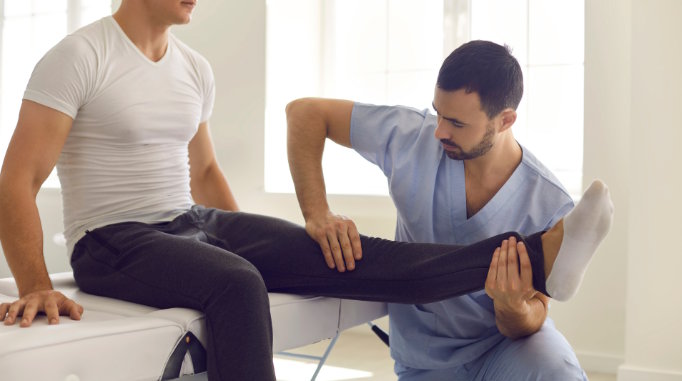
You’ve felt it before that heavy-legged, stiff-jointed feeling after a tough workout. Maybe you tried to push through it, or maybe you ended up resting completely. But there’s another approach that more people are beginning to embrace: low-impact training recovery. Many fitness enthusiasts now prefer lower-intensity movement as part of their routine because it supports recovery without adding unnecessary strain to the body.
Low-impact training isn’t about avoiding effort or slowing progress. It’s about using controlled, joint-friendly movement to help the body recover, improve mobility, and rebuild strength more effectively. By keeping the body active without overwhelming it, this style of training can help reduce stiffness, support circulation, and make it easier to stay consistent over time.
The Core Principles Worth Understanding First
Before diving into specific methods, it helps to understand the “why” behind low-impact recovery training because once the logic makes sense, staying consistent becomes much easier.
What Actually Makes Training "Low‑Impact"?
Gentle training for mobility centers on movement that reduces joint loading, such as walking, swimming, cycling, stretching, or a light rebounding exercise routine. At least one foot stays grounded, or the body moves with reduced gravitational stress. Low-impact mobility exercises help keep blood circulating and joints moving smoothly without placing excessive strain on muscles, tendons, or connective tissue.
The goal is balance: enough movement to encourage recovery and mobility, but not so much that it creates additional fatigue or soreness.
The key balance: enough stimulus to trigger repair, not enough to pile on new damage.
Active Recovery vs. Passive Rest: Which Actually Wins?
Both active recovery and complete rest have their place, but gentle movement often provides additional recovery benefits. Low-impact active recovery can help improve circulation, reduce stiffness, and support muscle recovery after harder workouts. Even slow, controlled movement keeps the body engaged and prevents long periods of inactivity from increasing tightness or discomfort.
Moving gently still counts as movement, and your body responds to that more than most people realize.
Specific Strategies That Actually Work
Theory is fine. Practical tools are better. Here's what belongs in your recovery toolkit.
Walking, Swimming, and Cycling
These three form the foundation of low-impact workouts for recovery and for good reason. Walking boosts circulation without stressing joints. Swimming offloads bodyweight almost entirely while keeping muscles engaged. Cycling preserves lower-body mobility at a pace you control.
All three reduce inflammation, maintain range of motion, and scale easily based on how beat-up you feel that day. Start here if you're building a recovery routine from scratch.
Yoga, Pilates, and Mobility Flows
These practices bring something the cardio-based options don't: slow, intentional movement targeting joint stability and flexibility simultaneously. Runners dealing with tight hips, lifters battling shoulder stiffness, this is where you gain ground. A focused 20-minute flow on a rest day genuinely changes how you feel the following morning. That's not marketing language; it's physiology.
Foam Rolling, Resistance Bands, and Rebounding
Foam rolling is a well-known recovery tool, but combining it with a rebounding exercise routine can create a more complete approach to muscle recovery and mobility. Gentle bouncing on a mini trampoline keeps the body in continuous low-impact motion, which may help support circulation, reduce stiffness, and ease pressure on the joints in a way that complements traditional stretching and foam rolling techniques.
Rebounding also encourages full-body movement rather than focusing on a single tight muscle area at a time. When paired with resistance bands and mobility exercises, it can become part of a balanced recovery routine that supports flexibility, coordination, and overall movement quality while remaining easy on the body.
Why the Physiological Benefits Run Deeper Than "Less Soreness"
This is where the real argument for low-impact recovery lives, and it goes well beyond how your legs feel the next day.
Metabolic Clearance and Faster Bounce‑Back
A ScienceDirect study confirms that low-intensity exercise reduces the perception of delayed-onset muscle soreness (DOMS). The difference between recovering in 24 hours versus 48 isn't trivial it shapes your entire training week. Low-impact training recovery keeps blood moving through fatigued tissue, simultaneously delivering nutrients and clearing waste products.
Joint Protection That Compounds Over Time
For anyone managing old injuries or simply getting older, low-impact mobility exercises offer a sustainable path forward. Controlled, low-load movement doesn't just protect joint mechanics; it actively improves them over months and years. That's a compounding return most people don't account for.
Hormonal Balance and Nervous System Reset
Hard training spikes cortisol that's unavoidable. Gentle movement brings it back down. Low-impact active recovery keeps heart rate in a calm zone, typically below 60% of max HR, which supports hormonal regulation and improves heart-rate variability. Better sleep follows. Better mood follows. The whole system benefits.
Rhythmic movement walking, light cycling, or a steady rebounding exercise session is particularly effective at nudging the nervous system from sympathetic overdrive into parasympathetic recovery mode. That's where genuine restoration happens.
Building This Into Your Actual Week
No complicated programming required. A few consistent choices make the biggest difference.
A Sample Recovery Session Structure
Start with 5–10 minutes of light cardio walking or gentle bouncing works well. Move into hip and shoulder mobility drills for about 10 minutes. Follow with 15 minutes of yoga or Pilates. Finish with foam rolling or a short cooldown rebounding exercise sequence. Total time: under 45 minutes. Conversational pace throughout. If you can't hold a sentence, you're working too hard.
Starting With Rebounding
New to it? Begin with 5–10 minutes on a quality rebounder using a simple "health bounce" feet barely leaving the mat. As comfort builds, progress to light jogging in place. Use it as a warm-up, cooldown, or standalone recovery session on rest days. The barrier to entry is low; the return is surprisingly high.
When to Skip Active Recovery Entirely
Active recovery isn't always the right call. Fever, acute injury, or genuine exhaustion? Passive rest wins full stop. The entire point of gentle training for mobility is to support healing, not override it.
The Bottom Line
Recovery is a skill, not a default. Low-impact training recovery builds faster bounce-back, better joints, and lower stress hormones when applied consistently and intentionally. Tools like yoga, cycling, and a steady rebounding exercise practice aren't just gap-fillers between hard sessions; they're part of what makes long-term progress possible. Add one or two low-impact workouts for recovery to your week starting now. Your joints will notice. So will your nervous system. And six months from now, so will your results.
Questions Worth Answering Directly
Can low-impact mobility exercises be done daily?
Yes, walking, light stretching, yoga flows, and resistance band work are all safe for daily use at moderate durations (20–30 minutes).
How does rebounding compare to foam rolling?
Foam rolling targets localized tissue tension. A rebounding exercise works systemically, improving lymphatic flow, circulation, and whole-body joint mobility simultaneously. Both complement each other well in a complete routine.
Can active recovery help during hormonal cycle phases?
Gentle movement during lower-energy phases reduces bloating, eases joint discomfort, and supports mood. Light walking or a brief rebounding exercise session typically outperforms complete rest on symptomatic days.

