

1. Weatherstripping
Your garage door's weatherstripping is like the seal on a jar – it keeps the good stuff in and the bad stuff out. Over time, especially after a harsh Chicago winter, this rubber or vinyl seal can get brittle, crack, or just plain wear out. When that happens, you're letting in more than just a little breeze. Think drafts, dust, and even water seeping in, which can lead to bigger problems down the road, like rust on your tracks or warped panels.
Checking your weatherstripping is pretty straightforward. Look for visible cracks, tears, or areas where it's pulled away from the door frame. You might also notice light peeking through when the door is closed, or feel a draft near the bottom. If you're seeing any of these signs, it's definitely time for a replacement. Getting new weatherstripping installed before the summer heat and humidity really kick in will help keep your garage cooler and your energy bills lower.
Replacing the weatherstripping is a pretty quick fix that makes a big difference. It's one of those maintenance tasks that doesn't get a lot of attention, but it's super important for keeping your garage door working right and protecting what's inside. Making sure your weatherstripping is in good shape is a key part of getting your garage door summer-ready.
2. Rollers
The rollers on your garage door are workhorses. They carry the entire weight of the door every time it moves, which adds up quickly. Basic plastic rollers might only last a couple of years before they start to wear out. If you notice your door is getting noisy, shaky, or just not moving smoothly, it's often the rollers to blame.
Upgrading to higher-quality nylon or steel rollers, especially those with ball bearings, can make a big difference. These types of rollers tend to last much longer, often over a decade, and they operate much more quietly. Worn rollers can lead to a variety of issues, from annoying squeaks and scrapes to more serious problems like the door popping out of its tracks. Checking and potentially replacing your rollers is a simple yet effective way to keep your garage door running well.
When inspecting your rollers, look for signs of wear and tear. This includes cracks, flat spots, or any visible damage. It's also a good idea to check if they are properly seated in the tracks. If you're unsure about the condition of your rollers or how to replace them, it's always best to call a professional. They can assess the situation and perform the replacement safely and efficiently. Homeowners dealing with worn rollers, noisy movement, or track-related issues can also consider Chicago Garage Door Repair for professional help with common garage door repair needs.
3. Torsion Springs
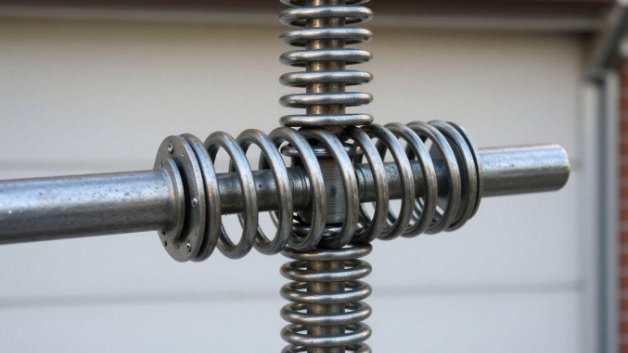
Torsion springs are the workhorses of your garage door system. They counterbalance the door's weight, making it easy to lift and lower. Without properly functioning torsion springs, your garage door would be incredibly heavy and difficult to operate manually.
These springs are mounted above the garage door opening on a bar. When the door is closed, the springs are wound tight, storing energy. As the door opens, the springs unwind, releasing that energy to help lift the door. Regular checks on your torsion springs are vital for safe operation.
If you notice your garage door feels unusually heavy, slams shut, or doesn't open smoothly, it could be a sign that your torsion springs need attention. An unbalanced door puts extra strain on the opener and can lead to premature failure. It's always best to have a professional inspect and service these components, as they are under a lot of tension.
4. Tracks
The tracks on your garage door are like its highway. They guide the rollers, keeping everything moving smoothly. Over time, though, these tracks can get a bit grimy or even bent out of shape. Small bits of debris, like dirt, leaves, or even small twigs, can get stuck in the tracks. This buildup makes it harder for the rollers to glide, causing extra strain on your garage door opener and potentially leading to the door getting stuck or even coming off its path.
Keeping the tracks clean is pretty straightforward. A quick wipe-down with a damp cloth usually does the trick. You can also use a vacuum cleaner with a nozzle attachment to get into those tight spots where dirt likes to hide. It's also a good idea to give the tracks a once-over to check for any dents or bends. Even a slight bend in the tracks can cause problems down the line.
If you notice your garage door is making more noise than usual, or it seems to be struggling to open or close, check the tracks. They are a common culprit. Making sure the tracks are clear and straight is a simple step that really helps your garage door system run better, especially as you start using it more in the summer.
5. Hinges
The hinges on your garage door might seem small, but they play a big role in how smoothly everything operates. These metal connectors allow the different panels of your garage door to fold and unfold as it moves up and down the tracks. Over time, hinges can wear out, get bent, or become stiff, leading to squeaking or even a door that doesn't move right.
Regular lubrication is key for keeping your hinges in good shape. A little bit of grease applied quarterly can prevent a lot of headaches down the road. When you're doing your summer check-up, take a close look at each hinge. Are they cracked? Are the screws tight? If a hinge looks damaged, it's best to replace it. Ignoring worn hinges can put extra stress on other parts of the door, like the rollers and opener.
Here’s a quick rundown of what to check for with your hinges:
- Wear and Tear: Look for cracks or signs of rust.
- Tightness: Make sure all screws holding the hinges in place are secure.
- Lubrication: Apply a silicone-based lubricant to keep them moving freely.
- Alignment: Ensure they aren't bent, which can cause the door to sag.
6. Garage Door Opener
The garage door opener is the brain of your garage door system. It's what makes that satisfying hum when you press the button. Keeping this part in good shape is key to a smooth-running garage.
Think about how many times a day you use your garage door. That's a lot of work for the garage door opener. If it's struggling, it might be a sign that something else is off, like the springs or the balance of the door itself. An unbalanced door puts extra strain on the opener, making it work harder than it needs to.
Regular checks on your garage door opener can prevent bigger headaches down the road. If you notice it slowing down, making strange noises, or not responding like it used to, it's time to take a closer look. Sometimes, a simple adjustment or lubrication is all it needs. Other times, it might signal a need for a professional tune-up to keep everything running right.
7. Bottom Seal
The bottom seal on your garage door is like the welcome mat for your home – it keeps the bad stuff out. Over time, this rubber strip can crack, get brittle, or just wear down from constant use. When that happens, you're letting in more than just a little bit of air; you're inviting dust, water, and even pests into your garage. This can lead to all sorts of problems, like rust on your tracks or even damage to things you store inside.
Checking and replacing the bottom seal is a pretty straightforward task, but it makes a big difference. If you notice light seeping in around the bottom of the door when it's closed, or if you find puddles after a rainstorm, it's a clear sign your bottom seal needs attention. A good seal also helps keep your garage warmer in the winter and cooler in the summer, which is good for your energy bills.
Here’s what to look for:
- Cracks or tears in the rubber material.
- Gaps between the seal and the garage floor.
- Signs of wear, like thinning or hardening of the rubber.
- Water or debris getting past the seal into the garage.
Replacing this part is a quick fix that can prevent bigger headaches down the road. It's a simple step that really helps keep your garage door functioning properly and your garage protected.
8. Cables
Garage door cables are often overlooked, but they play a big role in how your door operates. These cables work with the springs to lift and lower the door smoothly. Over time, they can fray or become loose, which can cause problems.
Regular inspection of your garage door cables is a smart move. Look for any signs of wear, like broken strands or rust. If you notice any damage, it's best to get them fixed or replaced before they cause a bigger issue. The cables are under a lot of tension, so handling them requires care.
When you're getting your garage door ready for summer, checking the cables should be on your list. Properly maintained cables help keep the whole system working right and prevent unexpected breakdowns. It's a small step that makes a difference in the door's lifespan.
9. Bearing Plates
The bearing plates are a small but mighty part of your garage door system. They're where the torsion spring shaft sits and rotates. Think of them as the connection point that allows the spring's energy to transfer smoothly to the door's movement.
Regular lubrication of the bearing plates is key to preventing wear and tear. When these plates get dry, they can cause friction, leading to noise and making the door harder to operate. It's a good idea to check them during your regular maintenance checks, especially before the heavy use of summer.
If you notice any grinding sounds coming from the top of your garage door, it might be an issue with the bearing plates. Addressing this early can save you from more significant problems down the line. Proper care of your bearing plates means a smoother, quieter garage door all season long.
10. Rail
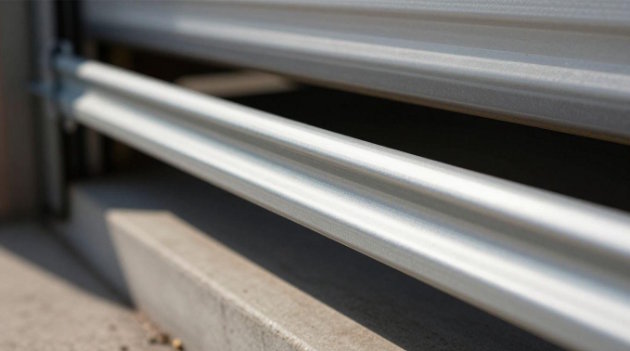
The garage door rail, also known as the track, is a vital component that guides the door's movement. Over time, debris like dirt, leaves, or small stones can accumulate in these rails. This buildup can cause the rollers to bind, leading to jerky movements and extra strain on your garage door opener. It's a good idea to give the rails a good wipe-down with a damp cloth. You can also use a vacuum cleaner's nozzle to get into those tight spots where gunk likes to hide.
Keeping the rails clean is more than just about looks; it directly impacts how smoothly your door operates. A clean rail system means less friction for the rollers, which translates to a quieter and more efficient door. If you notice any slight bends or warping in the rails, it's best to have them looked at by a professional. Trying to bend them back yourself can cause more problems than it solves.
Regular attention to the garage door rail is a simple yet effective way to prevent bigger issues down the line. It's one of those maintenance tasks that doesn't take much time but can save you from costly repairs. Think of it as giving your door a clear path to travel, summer and winter.
Keep Your Garage Door Running Smoothly All Summer
So, there you have it. Taking these steps should get your garage door ready for the warmer months ahead. It’s not too complicated, really. A little bit of cleaning, some lubrication, and checking things over can make a big difference. If you find anything that seems off, or if you’re just not comfortable doing it yourself, don’t hesitate to call a pro. Keeping your garage door in good shape means it’ll work right and last longer. Enjoy the summer!

