

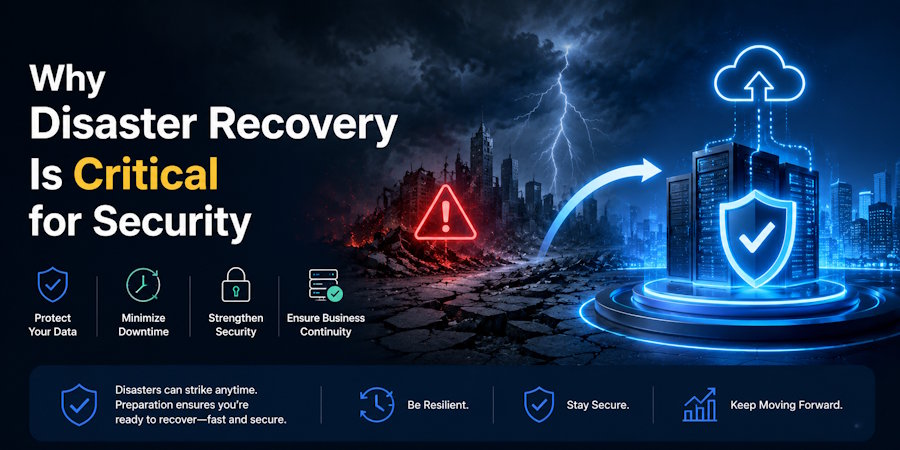
Security programs often get judged by prevention, yet recovery decides how long damage lasts after a serious disruption. Identity services control access to mail, records, approvals, payroll, and clinical platforms, meaning that a single failure can stall nearly every routine task. A misstep, service interruption, or hostile action may spread quickly across staff, partners, and customers. Disaster recovery matters because it restores trusted access, limits downtime, and helps organizations regain control before losses deepen.
Identity Is The Front Door
Identity platforms govern sign-ins, permissions, and application access across daily operations. If that control layer fails, staff may lose patient charts, billing tools, support systems, and internal communication. Threat actors understand that pressure point. One successful change to a central directory can interrupt work at scale. Recovery planning gives security teams a clear route back, with tested backups, verified records, and restoration steps that reduce confusion during a crisis.
Downtime Creates Security Gaps
When access fails, pressure builds quickly, and teams may start bending rules to keep essential work moving. During that window, Okta Disaster Recovery serves as a security safeguard because recent backups, restore options, and clear change history help responders recover access safely while limiting panic, rushed privilege grants, credential sharing, and added exposure across the organization.
Threats Are Not Always External
Serious incidents do not start only with outside attackers. Internal errors can cause major harm through deleted groups, altered policies, broken user mappings, or misapplied access rules. A rushed migration may also interrupt sign-ins across many services. Recovery plans address those common events by preserving clean versions of settings and account data. That preparation gives responders a dependable path back after routine mistakes that could otherwise trigger lasting operational damage.
Speed Shapes Impact
The first hours after disruption carry the highest risk. Each extra minute without trusted access can delay treatment, pause revenue activity, block service teams, and frustrate customers. Slow restoration also gives intruders more time to hide evidence or widen control. Fast recovery narrows that window. Security improves when teams can compare changes, isolate harmful actions, and return systems to a known safe state without rebuilding every connection by hand.
Backups Need Detail
A useful backup is more than a copy stored offsite. Teams need versions they can inspect, test, and restore with precision. Full environment recovery matters after severe corruption, yet small rollbacks are just as valuable. Restoring the policy, group, or attribute may solve a problem without interrupting wider operations. Detailed recovery choices let security staff act accurately instead of relying on disruptive, all-or-nothing repair steps.
Visibility Supports Better Decisions
Clear change records help responders understand what happened before repair begins. Without that insight, teams may restore the wrong version or overlook harmful edits that remain active. Strong disaster recovery supports monitoring, comparison, and validation across saved versions. That evidence shortens investigation time and improves judgment under pressure. Security leaders need context, not guesswork, when deciding whether an event came from error, misuse, or deliberate interference.
Compliance Depends On Recovery
Auditors and regulators often ask how organizations protect access, preserve records, and continue service during an incident. Disaster recovery addresses those concerns with documented processes, retained evidence, and repeatable actions. A written plan shows that leadership prepared for failure instead of relying on prevention alone. Tested restoration also supports legal review after a breach. Security programs appear far stronger when they can prove both defensive controls and workable recovery capability.
Testing Builds Confidence
Plans created once and left untouched rarely hold up under stress. Recovery needs drills, backup validation, and role-based practice. Those exercises expose missing permissions, unclear ownership, and slow approval steps before a real emergency begins. Testing also strengthens communication across security, operations, legal, and executive teams. Rehearsal matters because people make better decisions when tasks feel familiar and key actions follow a sequence they have already practiced.
Business Continuity Needs Security Input
Disaster recovery cannot sit only with infrastructure or support teams. Security leaders need a direct role because identity failures affect risk, evidence, containment, and trust. Shared ownership improves choices about backup frequency, logging, restore approval, and communication. Cross-team planning also reduces conflict during an incident. When business continuity and security coordinate closely, organizations recover faster and protect sensitive access decisions with greater care and consistency.
Conclusion
Disaster recovery is critical for security because prevention eventually breaks, while recovery determines whether the disruption stays contained or becomes a larger crisis. Identity services need close attention because they connect people, applications, and essential business functions. Strong preparation combines tested backups, precise rollback options, clear monitoring, and practiced response. Organizations that invest in those measures protect access, reduce operational harm, and return to normal conditions with greater confidence after unexpected failure.

