

Introduction: Market Context and Industrial Relevance
In the United States, industrial and logistical operations increasingly require storage solutions that are both durable and adaptable. With the growth of e-commerce, seasonal inventory fluctuations, and increased outdoor operational demands, businesses need structures that protect equipment, supplies, and inventory while maintaining operational efficiency. Wood-grain galvanized apex roof metal sheds have emerged as a practical solution, offering strength, aesthetic appeal, and long-term resilience.
These sheds are particularly valuable for warehouses, distribution centers, and industrial yards where environmental exposure, equipment accessibility, and space optimization are critical factors. They serve as versatile extensions to indoor storage, enabling businesses to scale their operational footprint without significant construction delays or permanent modifications.
Technical Overview and Use Cases
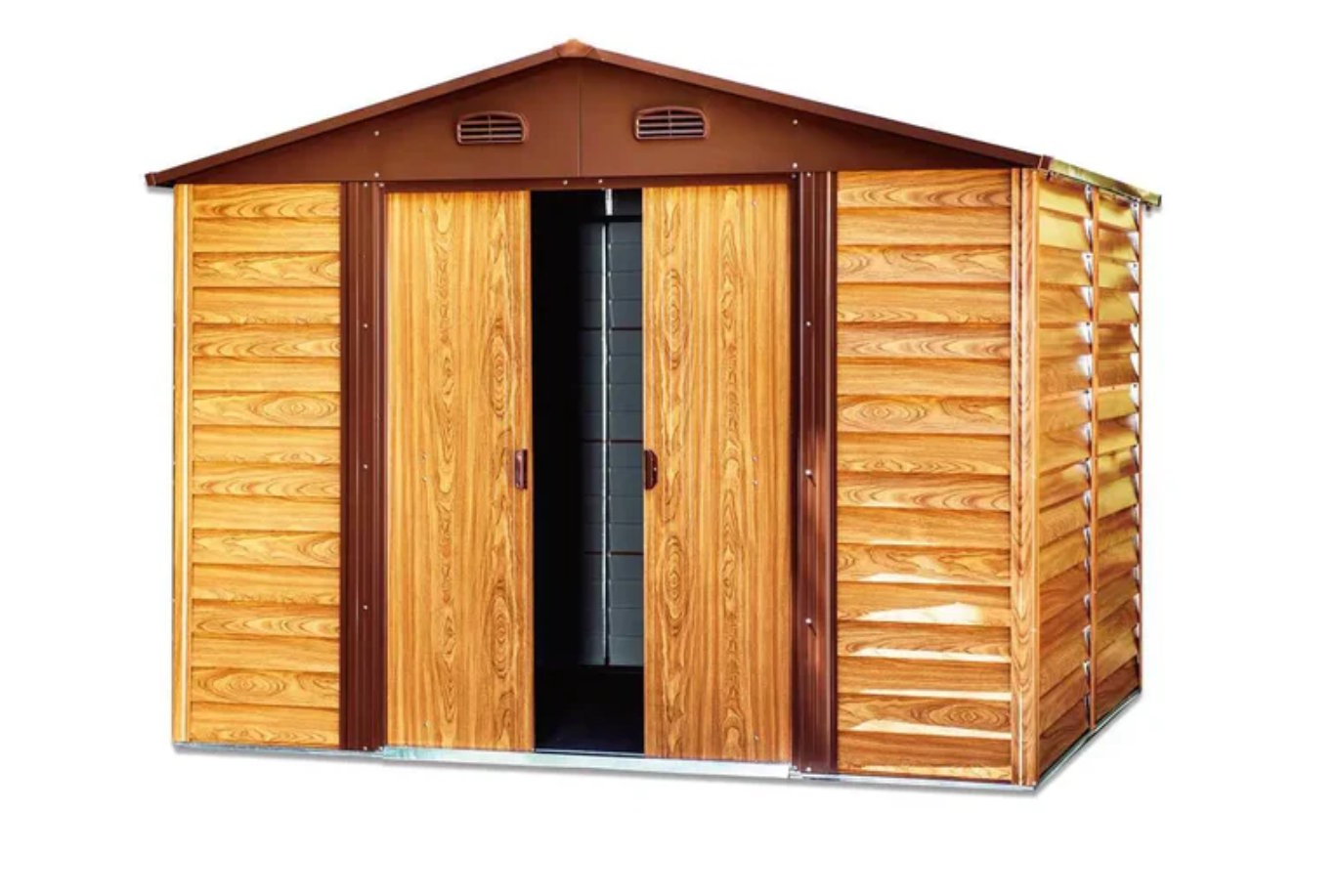
Wood-grain galvanized apex roof metal sheds feature high-quality galvanized steel panels finished with a wood-grain texture. This design provides:
- Resistance to corrosion, rust, and weathering.
- Structural stability for outdoor and semi-permanent use.
- An aesthetic finish suitable for commercial and industrial environments.
Common applications in industrial and logistical settings include:
- Storage of tools, machinery, and seasonal inventory.
- Temporary extensions for warehouse operations.
- Protected outdoor workstations for equipment maintenance.
- Organization of raw materials and construction supplies in industrial yards.
Efficiency, Safety, and Productivity Considerations
Metal sheds directly influence operational efficiency by providing organized, accessible storage areas. The following factors contribute to productivity and safety:
- Streamlined storage layout reduces retrieval time and workflow bottlenecks.
- Clearly defined pathways minimize collision risks for forklifts and material handling equipment.
- Durable construction reduces downtime for maintenance and repairs.
- Secure doors and panels protect inventory and tools from theft or damage.
Technical Foundation and Design Considerations
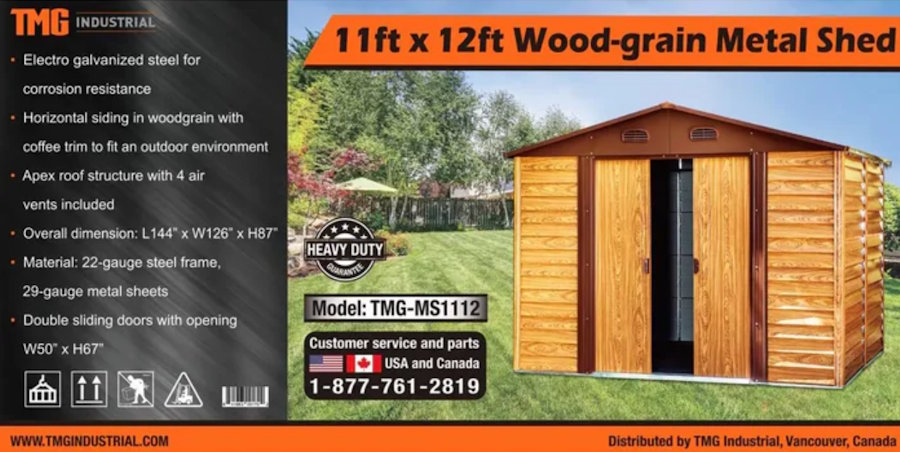
The apex roof design allows effective water runoff, preventing standing water and reducing corrosion risks. Key technical considerations include:
- Load capacity for heavy equipment and storage racks.
- Wind and snow load resistance based on regional environmental conditions.
- Integration with flooring, anchors, and foundation systems for stability.
- Ease of installation and modular expansion options.
Factors Affecting Performance and Safety
The performance of metal sheds is influenced by proper installation, foundation stability, and maintenance. Common factors that can impact effectiveness include:
- Improper anchoring in high-wind or hurricane-prone regions.
- Overloading shelves or storage racks beyond rated capacity.
- Lack of regular inspections for structural integrity and corrosion.
- Environmental exposure to extreme weather conditions without protective coatings.
Safety Best Practices
To maintain safe operational use, the following practices should be observed:
- Follow manufacturer installation instructions and recommended anchoring techniques.
- Maintain clear access routes and unobstructed emergency exits.
- Inspect panels, fasteners, and anchors regularly to ensure stability.
- Use proper personal protective equipment when handling materials inside or near the shed.
Equipment and Accessory Integration
TMG Industrial metal sheds can be equipped with various industrial tools and storage solutions to enhance utility, including:
- Shelving units and heavy-duty racking systems.
- Lighting, ventilation, and climate control systems for sensitive materials.
- Security enhancements such as locks, cameras, and alarm systems.
- Modular accessories for organizing smaller tools and components.
Advantages and Limitations
Advantages of wood-grain galvanized apex roof metal sheds include:
- Long-lasting structural durability under outdoor conditions.
- Weather and corrosion resistance for extended operational life.
- Attractive wood-grain finish suitable for visible facility areas.
- Flexibility for diverse industrial and logistical applications.
Limitations include:
- Higher initial cost compared to temporary or fabric structures.
- Potential space constraints for oversized equipment or large inventory.
- Professional installation may be required to meet safety and load standards.
Real-World Examples and Case Studies
Numerous warehouses and industrial yards across the U.S. utilize these sheds for practical operational advantages. Examples include:
- Outdoor staging for forklifts, pallet jacks, and other material handling equipment.
- Seasonal storage during peak inventory periods in distribution centers.
- Protected workspaces for preventive maintenance of industrial tools and machinery.
- Temporary warehouse extensions for high-demand periods in e-commerce logistics.
Conclusion: Key Takeaways and Future Industry Trends
Wood-grain galvanized apex roof metal sheds provide a reliable, versatile, and aesthetically appealing solution for industrial and logistical storage needs. By addressing storage efficiency, safety, and operational productivity, these sheds help organizations reduce downtime, protect assets, and adapt to seasonal or changing demands.
Looking forward, industry trends suggest an increasing preference for durable, modular, and visually integrated storage structures. As industrial operations continue to expand and warehouse logistics become more complex, these metal sheds will remain an essential component of modern operational planning.

