

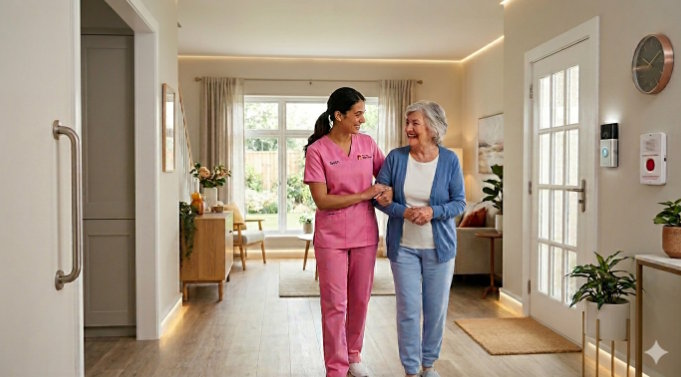
Growing older at home is a goal shared by the vast majority of American seniors. According to AARP research, nearly 77% of adults aged 50 and above say they would prefer to remain in their current residence as they age. With more than 56 million Americans now over the age of 65, and that number projected by the U.S. Census Bureau to reach 80 million by 2040, the conversation around aging in place has never been more urgent.
Yet wanting to stay home and being able to do so safely are two different things. Homes built decades ago were rarely designed with mobility limitations, vision changes, or balance challenges in mind. The good news? A handful of thoughtful safety upgrades can dramatically reduce risk, prevent injury, and help older adults preserve the independence they cherish. Below, we explore five smart upgrades that are transforming how families approach home safety for seniors today.
Why Home Safety Matters More Than Ever
Before diving into specific upgrades, it helps to understand the stakes. The Centers for Disease Control and Prevention (CDC) reports that one in four Americans aged 65 and older falls each year, and falls remain the leading cause of both fatal and non-fatal injuries among older adults. Beyond the physical toll, a single fall can shatter confidence, accelerate cognitive decline, and trigger a cascade of hospitalizations.
Key reasons safety upgrades matter for aging adults include:
- Reducing the risk of falls, the leading cause of injury for seniors
- Supporting smoother recovery during post operative home care
- Preserving independence and dignity in familiar surroundings
- Giving family members and caregivers greater peace of mind
- Delaying or eliminating the need for assisted living facilities
Safety upgrades are not about restricting freedom. Quite the opposite. They give seniors the tools to move confidently through their own homes, recover from surgery without setbacks, and live the kind of dignified, self-directed life they deserve.
1. Smart Fall Detection Systems
Falls are the single biggest threat to senior independence, and modern technology has finally caught up to the problem. Today's fall detection systems go far beyond the classic "I've fallen and I can't get up" pendant.
Wearable Alert Devices
Modern medical alert devices come as discreet wristbands, smartwatches, or pendants that automatically detect a sudden impact and contact emergency services within seconds. Popular options include:
- Apple Watch with built-in fall detection and emergency SOS
- Bay Alarm Medical pendants with automatic fall alerts
- Medical Guardian devices that sync with GPS and family contacts
- Smart pendants that monitor heart rate and oxygen levels
Many sync with a senior's smartphone, share GPS location with family members, and even monitor heart rate or oxygen levels. Automatic fall detection works without the need to press a button, which is crucial for seniors who lose consciousness after a fall.
AI-Powered Home Monitoring
For those who prefer not to wear a device, ambient AI sensors mounted on walls or ceilings can detect unusual movement patterns, prolonged inactivity, or the silhouette of a person on the floor. These systems use machine learning rather than cameras, which preserves privacy while still alerting caregivers when something seems wrong.
According to the National Institute on Aging, getting help within an hour of a fall significantly improves recovery outcomes. That window is exactly what smart detection technology is designed to protect.
2. Bathroom Safety Modifications
The bathroom is statistically the most dangerous room in the house for older adults. The CDC notes that roughly 80% of senior falls occur in the bathroom, where wet surfaces, hard tile, and tight spaces create a perfect storm for accidents. Fortunately, this is also one of the easiest areas to upgrade.
The most impactful bathroom upgrades include:
- Walk-in tubs and curbless showers: Walk-in tubs with low-threshold doors and built-in seating
- Grab bars: Grab bars near the toilet, inside the shower, and beside the tub
- Anti-slip flooring: Textured tiles, rubber-backed mats, and non-slip bath rugs
- Raised toilet seats: Models that add three to five inches of height for easier sitting and standing
- Adjustable showerheads: Hand-held showerheads with adjustable mounts for seated bathing
Walk-In Tubs and Curbless Showers
Traditional bathtubs require seniors to lift their leg over a high wall, often while balancing on one foot. Walk-in tubs feature a low-threshold door, built-in seating, and slip-resistant flooring. Curbless showers eliminate the lip entirely, making them ideal for wheelchair users or anyone with limited mobility.
Grab Bars in Strategic Locations
Properly installed grab bars near the toilet, inside the shower, and beside the tub provide critical support. Unlike towel racks, grab bars are anchored into wall studs and can hold up to 250 pounds. The Occupational Safety and Health Administration recommends bars between 33 and 36 inches above the floor for optimal use.
Anti-Slip Flooring and Raised Toilet Seats
Textured tiles, non-slip mats, and rubber-backed bath rugs reduce slipping. Raised toilet seats, typically adding three to five inches of height, make sitting and standing far easier on the knees and hips, which is especially helpful during post operative home care when bending is restricted.
Together, these modifications can reduce bathroom fall risk by more than half, according to research from the Mayo Clinic.
3. Smart Lighting and Motion Sensors
Vision naturally declines with age. By 75, most adults need three times more light to see clearly than they did at 25. Poor lighting is a silent contributor to nighttime falls, missed steps, and medication errors.
Motion-Activated Lights
Motion sensors placed in hallways, bathrooms, and stairways automatically illuminate the path when a senior gets up at night. Recommended placement areas include:
- Hallways between the bedroom and bathroom
- Stairways and staircase landings
- Closets and walk-in pantries
- Garage entry points and basement steps
- Under-bed strips for gentle nighttime guidance
No fumbling for switches, no walking through dark spaces. LED strip lights tucked under the bed or along baseboards offer gentle guidance without disturbing sleep cycles.
Voice-Controlled Smart Home Devices
Voice assistants like Amazon Alexa, Google Nest, and Apple Home Pod allow seniors to control lights, thermostats, locks, and even window blinds with simple verbal commands. Common voice-enabled tasks that benefit seniors include:
- Adjusting room temperature without getting out of bed
- Calling family members or emergency contacts hands-free
- Setting reminders for medications, meals, or appointments
- Locking doors and arming security systems by voice
- Playing audiobooks, music, or guided meditations
Smart home integration also benefits caregivers, who can remotely check whether a loved one has set the alarm, locked the door, or turned off the stove, while better caregiver coordination helps families stay aligned on daily support.
4. Stairlifts and Mobility Enhancements
Stairs become an increasing obstacle with age, and for some seniors, an entire floor of their home becomes off-limits. Mobility upgrades restore access to the full house and reduce daily strain.
Stair Lifts
Modern stair lifts are quieter, sleeker, and more affordable than older models. Key features to look for include:
- Compatibility with both straight and curved staircases
- Folding rails and seats to keep walkways clear
- Safety sensors that stop the lift if an object blocks the path
- Battery backup in case of power outages
- Remote controls for caregiver assistance
For seniors recovering from knee replacement, hip surgery, or stroke, a stair lift can be the difference between rehabilitating at home and being transferred to a long-term facility.
Handrails and Wheelchair Ramps
Sturdy handrails on both sides of every staircase, including those leading to the front door, provide essential support. Wheelchair ramps, whether permanent or modular, make entryways accessible and welcoming. The Americans with Disabilities Act recommends a slope ratio of 1:12, meaning one inch of rise for every twelve inches of ramp length.
Wider Doorways and Smooth Transitions
Widening interior doorways to 36 inches accommodates walkers and wheelchairs comfortably. Replacing carpet transitions with flush flooring eliminates trip hazards that often go unnoticed until it is too late.
5. Medication Management Technology
Medication non-adherence is a quiet but serious threat to senior wellness. The National Institutes of Health estimates that 50% of older adults do not take their prescriptions as directed, leading to roughly 125,000 preventable deaths annually and billions in avoidable healthcare costs.
Smart Pill Dispensers
Devices like Hero, Med Minder, and Livi automatically sort and dispense the correct dose at the right time. Top features include:
- Automatic sorting and scheduled dispensing of multiple medications
- Locked compartments to prevent accidental double-dosing
- Real-time alerts to family members if a dose is missed
- Integration with pharmacies for automatic refills
- Cloud-based dashboards for caregivers to monitor remotely
Medication Reminder Apps
Apps such as Medi safe, Mango Health, and CareZone offer customizable reminders, drug interaction warnings, and refill tracking. Many sync with wearable devices, ensuring seniors get prompts even if they are not near their phone.
Telehealth Integration
Telehealth platforms now allow seniors to consult with their physicians, pharmacists, and even therapists from the comfort of home. Benefits include:
- Fewer trips to the clinic, reducing exposure to illness
- Faster access to specialists in rural or underserved areas
- On-demand mental health and counseling support
- Real-time prescription adjustments and medication reviews
Combined with smart medication tools, this creates a seamless support system that reduces missed doses, prevents drug interactions, and catches problems before they escalate.
Why Families Trust Nurse Next Door McLean
While technology and home modifications form the foundation of safe aging in place, nothing replaces the warmth and attentiveness of a skilled human caregiver. That is where Nurse Next Door McLean comes in.
Families across Northern Virginia turn to Nurse Next Door McLean for personalized senior care services built around each client's unique needs, routines, and preferences. Whether your loved one needs a few hours of weekly companionship or around-the-clock support, every care plan is customized to support independence rather than replace it.
Services offered by Nurse Next Door McLean include:
- Personal care assistance with bathing, dressing, and grooming
- Medication reminders and chronic condition monitoring
- Nutritious meal planning and preparation
- Light housekeeping and laundry support
- Transportation to medical appointments and errands
- Companionship services that combat loneliness and isolation
- Specialized post-surgery and rehabilitation support
For families searching for trusted home senior care herndon residents and nearby communities can rely on, Nurse Next Door McLean stands out for its Happier Aging philosophy, which focuses on what seniors can do rather than what they cannot. From post-surgery recovery support to ongoing chronic condition care, the team partners with families to make aging at home not just possible, but joyful.
Frequently Asked Questions
What is the most important home safety upgrade for seniors?
While every home is different, fall prevention upgrades, especially in bathrooms and stairways, typically offer the biggest impact. Falls account for the majority of senior injuries, so grab bars, anti-slip flooring, and motion-activated lighting often deliver the strongest return on investment.
Are smart home devices difficult for seniors to use?
Most modern devices are designed with accessibility in mind. Voice-controlled assistants, in particular, require no technical skill and can be customized for hearing or speech challenges. Family members or professional caregivers can help with the initial setup, which is usually a one-time process.
How much does it cost to make a home safer for an aging parent?
Costs vary widely depending on the scope of the project:
- Basic upgrades (grab bars, motion sensors, pill dispensers): a few hundred dollars
- Mid-range projects (stair lifts, raised toilets, smart lighting): $1,500 to $5,000
- Larger renovations (walk-in tubs, curbless showers, ramps): $3,000 to $15,000
Many states offer grants or tax credits for accessibility modifications.
Will Medicare pay for home safety modifications?
Original Medicare generally does not cover structural home modifications, but it may cover durable medical equipment like raised toilet seats, walkers, or hospital beds when prescribed by a physician. Some Medicare Advantage plans now include benefits for grab bars and other safety upgrades.
When should we consider professional in-home care?
If your loved one is recovering from surgery, managing a chronic condition, experiencing memory changes, or simply feeling isolated, professional in-home care can provide invaluable support. Watch for signs such as:
- Frequent falls or near-falls at home
- Missed medications or confusion about doses
- Unexplained weight loss or poor nutrition
- Withdrawal from hobbies or social activities
- Difficulty managing daily personal care
Even a few hours of care each week can make a meaningful difference in safety, nutrition, and emotional well-being.
Final Thoughts
Aging care at home in Mclean is one of the most personal decisions a family can make, and it should never feel like a gamble with safety. With the right combination of smart technology, thoughtful modifications, and compassionate caregiver support, seniors can continue living in the homes they love with confidence and dignity.
Every upgrade discussed here, from fall detection sensors to medication dispensers to a well-placed grab bar, sends the same message: you matter, and your independence is worth protecting. When families pair these tools with professional services like Nurse Next Door McLean, the result is a holistic safety net that empowers seniors to age on their own terms, surrounded by the comforts of home and the people who love them most.

