

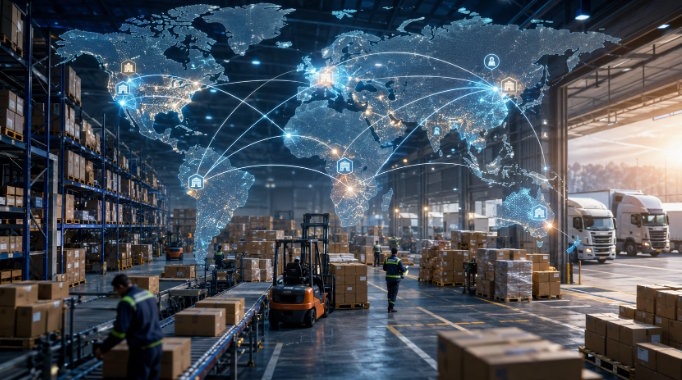
Launching a successful crowdfunding campaign is an exciting achievement, but delivering rewards is often where the real challenge begins. While manufacturing usually receives the most attention, shipping delays frequently occur after production is complete. Factors such as warehouse location, inventory planning, customs processing, and transportation routes all influence whether backers receive their rewards on time.
Geographic routing is one of the most important—but often overlooked—parts of the fulfillment process. Choosing where inventory is stored and how orders are routed can reduce shipping times, lower costs, and improve the overall backer experience. Understanding these logistics decisions helps campaign creators build a more reliable fulfillment strategy from the start.
In this article, you'll learn how crowdfunding fulfillment works, why shipping delays happen, and how geographic routing plays a critical role in successful campaign delivery.
Key Takeaways
- Geographic routing directly affects delivery speed and shipping costs.
- Warehouse placement influences transit times and customs processing.
- Smart inventory allocation helps reduce fulfillment delays.
- Early logistics planning improves on-time delivery performance.
- Efficient fulfillment creates a better experience for campaign backers.
What Is Crowdfunding Fulfillment?
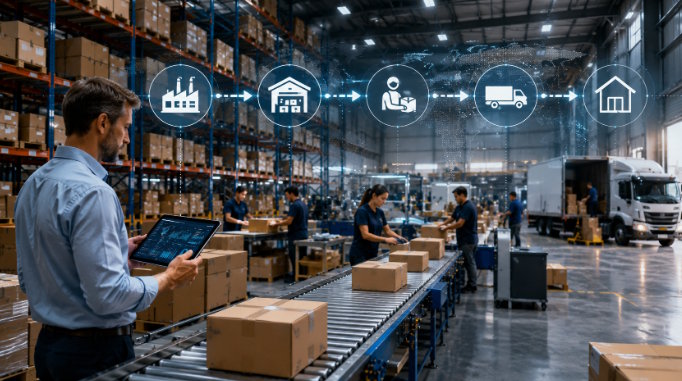
Crowdfunding fulfillment is the process of storing, packing, and shipping rewards to backers after a crowdfunding campaign ends. Once products leave the manufacturer, they move through warehouses, fulfillment centers, shipping carriers, and customs checkpoints before reaching customers.
Unlike traditional e-commerce businesses that ship orders daily from existing inventory, crowdfunding campaigns often need to send thousands of rewards within a short period. This creates unique logistical challenges, especially when backers are spread across multiple countries.
A typical fulfillment process includes receiving inventory, allocating products to fulfillment centers, preparing orders, selecting shipping carriers, and managing international documentation when required. Each stage depends on careful planning because delays in one step can quickly affect the entire delivery schedule.
For this reason, experienced campaign teams begin planning logistics long before products are ready to ship. Integrating fulfillment planning into the overall supply chain helps reduce risks and improve delivery efficiency. Many logistics providers, including Litegic, encourage campaign creators to think about warehouse placement and shipping strategy early instead of treating fulfillment as the final step.
Why Crowdfunding Campaigns Often Experience Shipping Delays
Many people assume manufacturing delays are the biggest reason crowdfunding campaigns ship late. In reality, logistics often becomes the larger challenge after production is complete. Even a finished product can remain in storage while inventory is sorted, transportation is arranged, or customs documents are processed.
One common issue is relying on a single warehouse to serve backers worldwide. While this approach may simplify inventory management, it often increases shipping distances, transit times, and customs requirements for international orders. Longer routes also expose shipments to weather disruptions, port congestion, and carrier delays.
Inventory allocation is another important factor. If products are not positioned near regions with the highest number of backers, fulfillment teams must spend more time moving inventory before orders can be shipped. This additional handling increases both costs and delivery times.
Consider a campaign with thousands of supporters across North America, Europe, and Australia. Shipping every reward from one warehouse means many orders travel farther than necessary. By distributing inventory across regional fulfillment centers, creators can shorten delivery routes, reduce customs complexity, and improve overall shipping performance.
These examples show that successful crowdfunding fulfillment depends on more than completing production. Strategic logistics planning, efficient inventory management, and well-designed shipping routes all contribute to delivering rewards on schedule and meeting backer expectations.
Understanding Geographic Routing in Crowdfunding Fulfillment

Geographic routing is the process of directing inventory and shipments to the most efficient fulfillment locations based on backers' locations. Instead of sending every order from a single warehouse, products are strategically distributed to regional fulfillment centers before shipping begins. This approach shortens delivery routes, reduces transportation costs, and minimizes delays caused by customs or carrier congestion.
For crowdfunding campaigns, geographic routing becomes especially valuable when supporters are spread across multiple countries. A campaign serving backers in North America, Europe, and Asia will typically achieve faster deliveries by positioning inventory closer to each region rather than relying on one centralized warehouse.
Effective routing also improves inventory visibility. Campaign teams can monitor regional stock levels, respond to unexpected demand, and avoid unnecessary transfers between warehouses. While this requires more planning, it often creates a more predictable fulfillment process and a better experience for backers.
Centralized vs. Regional Fulfillment
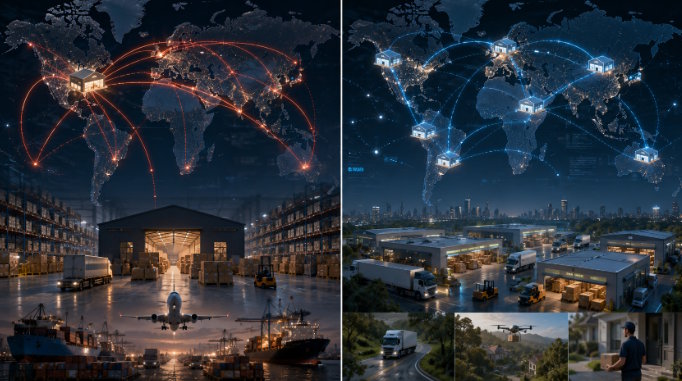
Choosing the right fulfillment strategy depends on campaign size, shipping destinations, and operational complexity.
|
Factor |
Centralized Fulfillment |
Regional Fulfillment |
|
Delivery Speed |
Slower for international orders |
Faster regional deliveries |
|
Shipping Cost |
Higher for distant destinations |
Often lower through shorter routes |
|
Customs Risk |
More cross-border shipments |
Fewer international shipments |
|
Inventory Management |
Simpler |
More planning required |
|
Customer Experience |
Delivery times vary widely |
More consistent delivery times |
A centralized warehouse can work well for campaigns serving a single country or a limited geographic area. However, campaigns with a global audience often benefit from regional fulfillment because inventory is already positioned closer to backers before shipping begins. Although managing multiple fulfillment centers requires additional coordination, the improvement in delivery speed and reliability can outweigh the added complexity.
How Warehouse Location Influences Delivery Performance
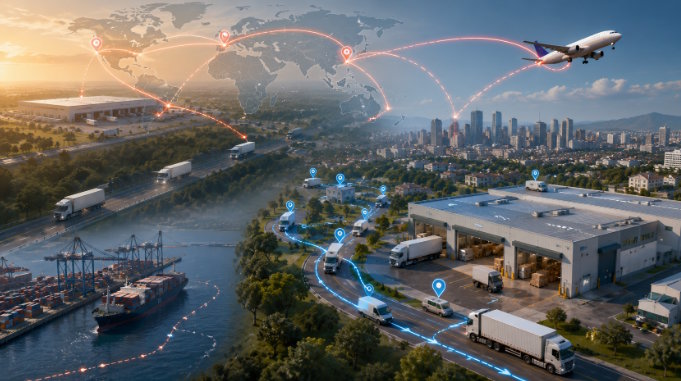
Warehouse location has a direct impact on how quickly orders reach backers. The greater the distance between inventory and the final destination, the longer packages typically spend in transit. Longer routes also increase exposure to weather disruptions, customs inspections, and transportation bottlenecks.
Imagine a campaign with 10,000 backers, where most supporters live in the United States and Europe, while smaller groups are located in Australia and Southeast Asia. Shipping every order from one warehouse may simplify operations, but many backers will experience longer delivery times and higher shipping costs.
By storing inventory in regional fulfillment centers, campaign creators can shorten transit distances, reduce international shipping requirements, and improve overall delivery performance. This strategy also provides greater flexibility during periods of high shipping demand when carriers or ports experience delays.
Best Practices for More Efficient Crowdfunding Fulfillment
Planning is one of the most effective ways to reduce fulfillment risks. Consider these best practices:
- Plan fulfillment before manufacturing is complete.
- Forecast demand by region whenever possible.
- Position inventory close to major groups of backers.
- Maintain a small inventory buffer for unexpected demand.
- Prepare customs documentation before shipments leave the warehouse.
- Work with reliable shipping carriers that provide tracking updates.
- Communicate realistic delivery timelines throughout the campaign.
Small improvements across each stage of the logistics process can collectively make a significant difference in delivery performance.
Conclusion
Successful crowdfunding campaigns depend on more than creating a great product. Once manufacturing is complete, fulfillment logistics become a critical factor in determining whether rewards arrive on schedule. Geographic routing, strategic warehouse placement, thoughtful inventory allocation, and realistic shipping planning all contribute to a smoother delivery process.
By understanding these operational factors early, campaign creators can reduce avoidable delays, improve efficiency, and provide a better experience for their backers from the first shipment to the last.
Looking to learn more about efficient crowdfunding fulfillment strategies? Explore the logistics insights and resources available from Litegic to understand better how thoughtful fulfillment planning can support successful campaign deliveries.
Frequently Asked Questions
1. How does geographic routing improve crowdfunding fulfillment?
Geographic routing improves crowdfunding fulfillment by positioning inventory closer to backers before shipping begins. This reduces transit distances, lowers shipping costs, minimizes customs delays, and helps campaigns deliver rewards more efficiently.
2. Why is warehouse location important for crowdfunding campaigns?
Warehouse location directly affects delivery speed, transportation costs, and customs processing. Storing products near major groups of backers allows campaigns to shorten shipping routes and provide a more consistent delivery experience.
3. Should crowdfunding campaigns use multiple fulfillment centers?
It depends on the campaign's audience. Campaigns serving backers in multiple countries often benefit from regional fulfillment centers because they reduce international shipping distances and improve delivery timelines. Smaller campaigns targeting one market may find a single fulfillment center sufficient.
4. What are the most common causes of crowdfunding fulfillment delays?
Common causes include poor inventory planning, shipping from a single warehouse to global backers, customs clearance issues, carrier congestion, inaccurate demand forecasting, and insufficient logistics planning after manufacturing is complete.
5. When should crowdfunding fulfillment planning begin?
Fulfillment planning should begin before manufacturing is complete—and ideally before the crowdfunding campaign launches. Early planning allows creators to estimate regional demand, choose warehouse locations, prepare shipping documentation, and reduce the risk of delivery delays.

