


As companies look for ways to optimize IT budgets, purchasing pre-owned software licenses has become a popular solution. Secondary licenses enable companies to obtain fully functional operating systems, office and server software for reduced costs. But decision makers need to be aware of the legal aspects of secondary software so they can keep their organisation safe. Knowing your way around software licensing laws can help you save money and comply 100%.
The Principle of Exhaustion in Copyright Law
Resold software is legally sound in light of the established rulings on copyright exhaustion by the courts. The exclusive right to control the further distribution of the program copy is exhausted from the moment a software publisher sells a copy of a program to a user, in line with European law and legal precedents. That is, if a company legally acquired a perpetual license, they are entitled to resell it if it is no longer needed. As software does not get worn out, a pre-owned software license provides the same performance as a new license.
Verifying Chain of Ownership and Documentation
To maintain full legal standing, businesses must verify that secondary software licenses meet clear transfer requirements. The original licence should be a perpetual licence, not a subscription, and should be non-refundable and paid in full by the first purchaser. Working with a trustworthy software dealer ensures legal compliance with pre-owned software by providing complete documentation and verified proof of license ownership. Good vendors will be able to trace back to the initial developer to confirm that you are getting assets that have all the licenses from the initial developer and that will pass official compliance testing.
Deinstallation and Single Ownership Standards
An important legal aspect of software resales is that the software must be completely removed by the old owner. Copyright regulations state that the original purchaser must make their copy unusable and remove it from all company devices before the transfer occurs. This rule helps to avoid duplicate usage and for only one organization to use the license key. Businesses should make sure that the software has been removed correctly by the previous owner and obtain formal confirmation from the vendor. This proof will protect your business in the course of your regular business audit.
Audit Readiness and Long-Term Financial Benefits
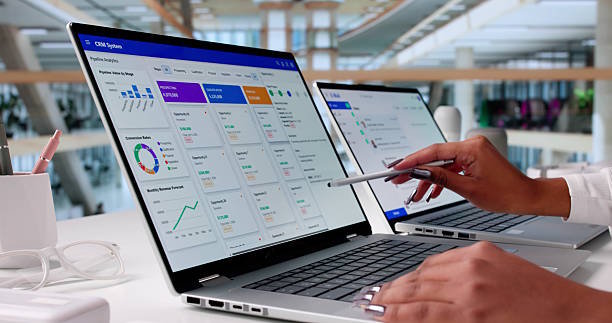
With pre-owned licenses, there are significant cost benefits to be gained and no compliance risks. Upgrades to the desktop application and server environment can be made for a small fraction of the cost of new retail licenses. In addition, used licenses are still eligible for normal upgrades and vendor patches, ensuring that your network is secure. Keeping an appropriate transfer record and purchase invoices makes your business ready for any internal or external software audit. Software investments in secondary software is a cost-effective solution to scale business safely.
Conclusion
When you know the fundamentals of license transfer, it's easy to navigate the legalities of pre-owned software. Your organization can save considerably on copying rights by using existing copyright laws, verifying originality history, and keeping accurate records. By investing in software that is used, your company can optimize its IT spending, preserve capital, and have total peace of mind that it is completely lawful.

