


Consumer tech has a new price bracket. Products that used to cost several hundred dollars, like smart glasses and camera drones, now show up in social feeds for around $100. Some of them are genuinely useful. Others are spec sheets written by marketing teams. For anyone with a technical background, the trick is reading those spec sheets the way you would read API documentation: carefully, and with an eye for what is implied rather than stated.
I run TopCrate, an independent product-review site, and we have looked closely at both categories. Here is how to read the specs.
AI translator glasses: where the "AI" actually runs
A new wave of glasses promises live translation in 100+ languages, hands-free calls, music and an AI assistant, all in frames that look like ordinary eyewear. The hardware inside is usually modest: open-ear speakers in the arms, a couple of microphones, a small battery and Bluetooth.
The key question is where the processing happens. In most budget models the glasses are a peripheral. Translation and AI features run through a companion app on your phone, which handles the speech recognition and sends requests to cloud services. That has practical consequences:
- Your phone has to be with you and connected. No phone, no translation.
- Latency depends on the network. On a weak connection, live translation slows down.
- Privacy follows the app. Read what the app collects before you wear a microphone all day.
None of this makes the glasses useless. Open-ear audio in a familiar frame is genuinely convenient for calls and podcasts, and the app-based model keeps the price low. NeuroView is a good example of the category: around $100, about 25 grams by the brand's figures, and an eight-hour battery claim. It costs a fraction of the $349 to $449 premium smart-glasses tier. Treat camera claims cautiously in this bracket, and look for a visible lens in the product photos before believing one exists. We went through the details and the return terms in our NeuroView review.
$99 camera drones: decode the "4K"
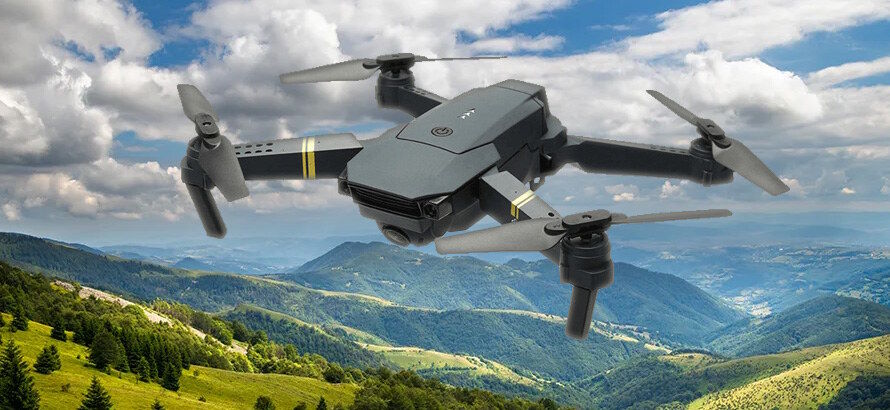
Beginner drones are the other category where the spec sheet needs a second read. "4K camera" is the most common headline, but look for the full sentence. Many budget models list a "4K camera with 1080p output" or similar wording. That usually means the sensor or the marketing is 4K, while the video you actually record or stream to your phone is lower resolution. It is not necessarily a scam, but it is not what most buyers imagine when they read "4K".
Other specs worth reading closely:
- Battery capacity in mAh tells you more than "long flight time". Small batteries in the 500mAh range usually mean short flights, so extra batteries matter more than any other accessory.
- One-key return and altitude hold are the features that make a drone learnable. They are worth more to a beginner than camera resolution.
- Weight decides which registration rules apply. If a product page doesn't state its weight clearly, check before assuming it is under the 250-gram threshold that keeps many recreational flyers out of registration.
- Checkout extras. Some drone checkouts pre-tick protection plans or monthly memberships. Untick anything you didn't choose.
A developer's checklist for gadgets under $100
- Find the dependency. What does the device need to work: an app, an account, a subscription, a phone?
- Read the full spec sentence, not the headline number.
- Check the return terms before you buy. Look for who pays return shipping and whether the window starts at delivery.
- Compare the real price, not the crossed-out "regular" price. Many direct-to-consumer pages anchor against a number nobody pays.
Budget gadgets can be excellent value once you understand what you are actually buying. Read the documentation, and the product will rarely surprise you.
Shane Bennett is the founder of TopCrate, an independent product-review site. TopCrate is reader-supported and may earn an affiliate commission on purchases made through its links.

