

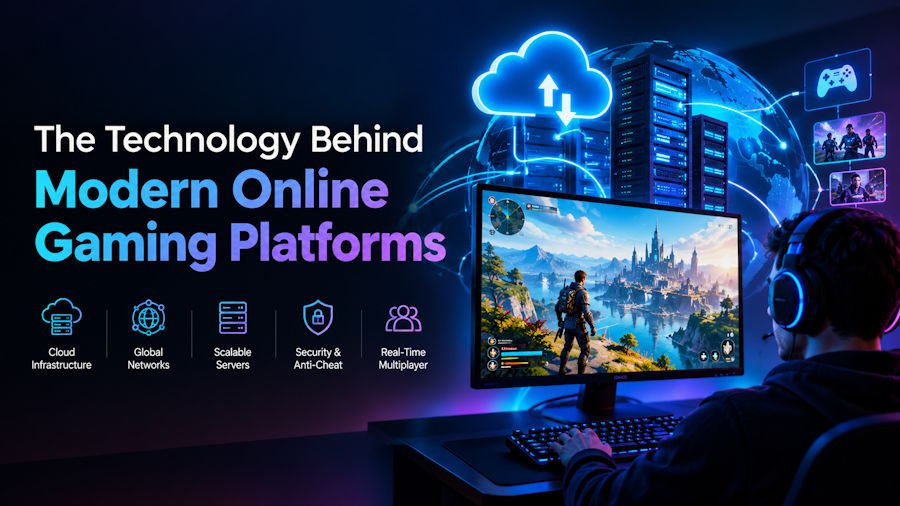
Online gaming has developed significantly over the past decade. What started as a relatively simple way to play games through internet-connected devices has become a large digital industry supported by advanced software, cloud infrastructure, payment systems, and security technologies.
Modern gaming platforms are designed to provide smooth experiences across different devices while managing user accounts, game data, and online interactions. Understanding the technology behind these platforms helps explain how they operate and why reliability, performance, and security are important considerations.
Cloud Technology Supports Online Gaming
Cloud computing plays an important role in modern online gaming. Instead of depending entirely on local devices, many gaming services use remote servers to manage different operations and store information.
Cloud infrastructure allows platforms to handle user accounts, process requests, and manage game-related data. It can also help services adjust their resources when user activity increases.
This flexibility is particularly important for platforms that experience changing levels of traffic throughout the day. Proper server management helps maintain availability and reduces the likelihood of performance problems.
Responsive Design Makes Gaming Accessible Across Devices
People use different devices to access online entertainment. Some prefer desktop computers, while others use smartphones and tablets.
Responsive web design helps platforms adjust their layouts according to different screen sizes. Elements such as navigation menus, buttons, images, and account sections can automatically adapt to provide a more convenient experience.
Developers also need to consider loading speed and compatibility. A platform that works smoothly on a desktop computer should also provide a practical experience on smaller mobile screens.
Testing across different browsers and devices is therefore an important part of the development process.
Secure Authentication Protects User Accounts
Account security is another major part of online gaming infrastructure. Many platforms require users to create accounts before accessing certain features or services.
Authentication systems help verify user identities and prevent unauthorised access. Common security measures include password protection, email verification, and multi-factor authentication.
Developers should also implement secure password storage practices rather than keeping passwords in plain text. Encryption and secure communication protocols help protect information exchanged between users and platform servers.
These measures are particularly important for platforms that handle personal details or financial transactions.
Payment Systems Require Reliable Integration
Some online gaming platforms include payment features that allow users to purchase subscriptions, digital products, or other services.
Integrating payment systems requires careful attention to security and reliability. Developers often work with established payment providers to process transactions without directly storing sensitive card information.
A well-designed payment process should clearly communicate transaction details, provide confirmation messages, and handle failed payments appropriately.
Users should also review the payment policies and available protections before sharing financial information with an online service.
User Experience Influences Platform Quality
Technology alone does not guarantee a good gaming experience. The way users interact with a platform is equally important.
Clear navigation, readable text, organised menus, and accessible support options make digital services easier to use. Developers should also avoid unnecessary design elements that slow down pages or create confusion.
User feedback can help identify problems that may not appear during initial testing. Regular improvements based on real usage patterns allow developers to maintain a more reliable and accessible platform.
Why Platform Transparency Matters
People should understand how an online gaming service operates before creating an account or using its features. Clear information about terms, privacy practices, payment policies, and customer support helps users make informed decisions.
For adults interested in online casino entertainment, checking licensing information and applicable regional regulations is particularly important. In Canada, gambling rules differ between provinces and territories, so users should confirm that a platform operates in accordance with the requirements that apply to their location.
For example, users researching online entertainment options can visit uniplay.ca and review the information available about the platform before deciding whether it meets their expectations.
Responsible use should also remain a priority. Users should establish personal spending and time limits rather than treating gambling as a source of income.
Regular Updates Help Maintain Performance
Online platforms require ongoing maintenance to remain reliable. Software updates can fix bugs, improve compatibility, address security weaknesses, and introduce useful features.
Developers also monitor performance indicators such as server response times, loading speeds, and system errors. This information helps technical teams identify problems and make improvements before they significantly affect users.
Regular testing is particularly important when platforms introduce new features or update existing systems.
Final Thoughts
Modern online gaming platforms depend on several technologies working together. Cloud infrastructure, responsive design, secure authentication, payment integrations, and regular software updates all contribute to their overall performance.
As digital entertainment continues to develop, platform reliability and user security will remain important priorities. Understanding the technology behind these services allows users to make better decisions while helping developers focus on building more efficient and accessible digital experiences.

