

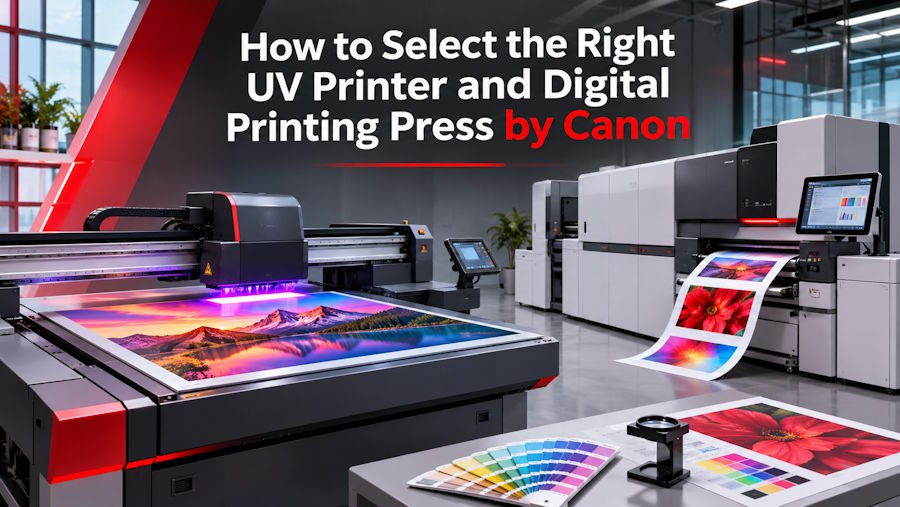
Choosing the ideal commercial printing machinery for your business operations can feel overwhelming given the rapidly evolving technology available today. Print shop owners, sign makers, and industrial manufacturers need to balance quality, speed, versatility, and operating costs. When expanding your production capabilities, two major categories of equipment often stand out: flatbed printing systems designed for rigid substrates and high-volume press hardware built for heavy-duty publishing. Knowing how to assess your specific output needs will ensure you make a profitable investment.
Understanding your primary application is the first crucial step in evaluating potential machinery. If your business focuses on signage, promotional merchandise, personalized items, or printing on unconventional materials such as wood, glass, acrylic, and metal, a dedicated flatbed device is essential. Investing in an advanced UV printer allows businesses to cure ink instantly using ultraviolet light, enabling direct printing onto thick or rigid media with exceptional detail and durability. This technology opens doors to specialized, high-margin applications that traditional roll-fed equipment simply cannot handle.
On the other hand, if your facility primarily handles multi-page documents, short-run books, marketing collateral, direct mail, or transactional printing, your requirements lean toward production press equipment. Selecting a modern digital printing press ensures consistent color accuracy, rapid turnaround times, and seamless media handling across standard paper stocks, heavy cover stocks, and synthetic media. High-volume digital systems offer the agility needed to run variable data jobs cost-effectively without requiring time-consuming offset setup.
When evaluating equipment options, consider the total cost of ownership rather than just the initial purchase price. Factor in ongoing ink consumption, routine maintenance schedules, replacement components, and power usage. High-reliability machinery designed by trusted manufacturers like Canon helps minimize unscheduled downtime, which is often the largest hidden cost in print manufacturing. Ensure that the manufacturer offers accessible service contracts, local technician support, and robust training for your operators.
Media versatility and workflow integration are equally vital factors. Modern print shops rarely rely on a single isolated machine. Workflow software must efficiently connect your prepress, job submitter, and printing hardware. Equipment from كانون integrates easily with industry-standard digital front ends and automated workflow tools, helping streamline job preparation and reduce waste.
Before committing to a purchase, request comprehensive print samples using your own design files and intended substrates. Examine the fine text resolution, smooth color gradients, registration accuracy, and surface adhesion. Testing your actual job requirements during the evaluation process ensures that the machine delivers the precise quality standards your clients expect.
Ultimately, selecting the right print technology depends on aligning your business goals with the capability of the machinery. By accurately assessing your volume demands, media choices, and operational requirements, you can confidently invest in solution-driven equipment from trusted brands like كانون to drive long-term business growth.

