

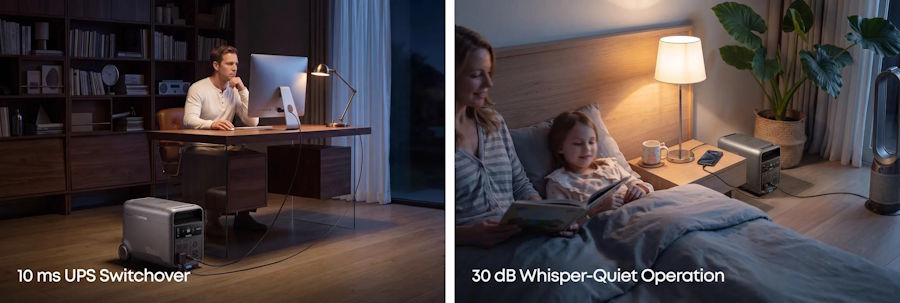
A solar generator does not need bright sunlight every minute it operates. Its battery stores energy, so sunlight matters mainly when that energy needs to be replenished. The useful question is not simply how many daylight hours a location receives. Solar intensity changes from morning to evening, and the amount of energy collected depends on the panel, its exposure, and the charging goal. Understanding this difference makes it easier to judge whether a few strong solar hours can support a day’s electricity needs.
Measure Useful Sunlight Instead of Counting Daylight Hours
Peak Sun Hours Tell a Better Story
Twelve hours between sunrise and sunset do not equal twelve hours of full solar production. Solar planning often uses “peak sun hours,” which converts changing sunlight intensity into the equivalent number of hours at strong standard solar irradiance. This gives a more useful basis for estimating daily panel output. For example, a location might have a long summer day while only part of that period contributes the equivalent of strong peak production. A solar powered generator therefore does not need a certain number of clock hours in the sun. It needs enough solar energy during the available window to replace the watt-hours the user expects to consume.
Your Energy Target Determines How Much Sun Is Enough
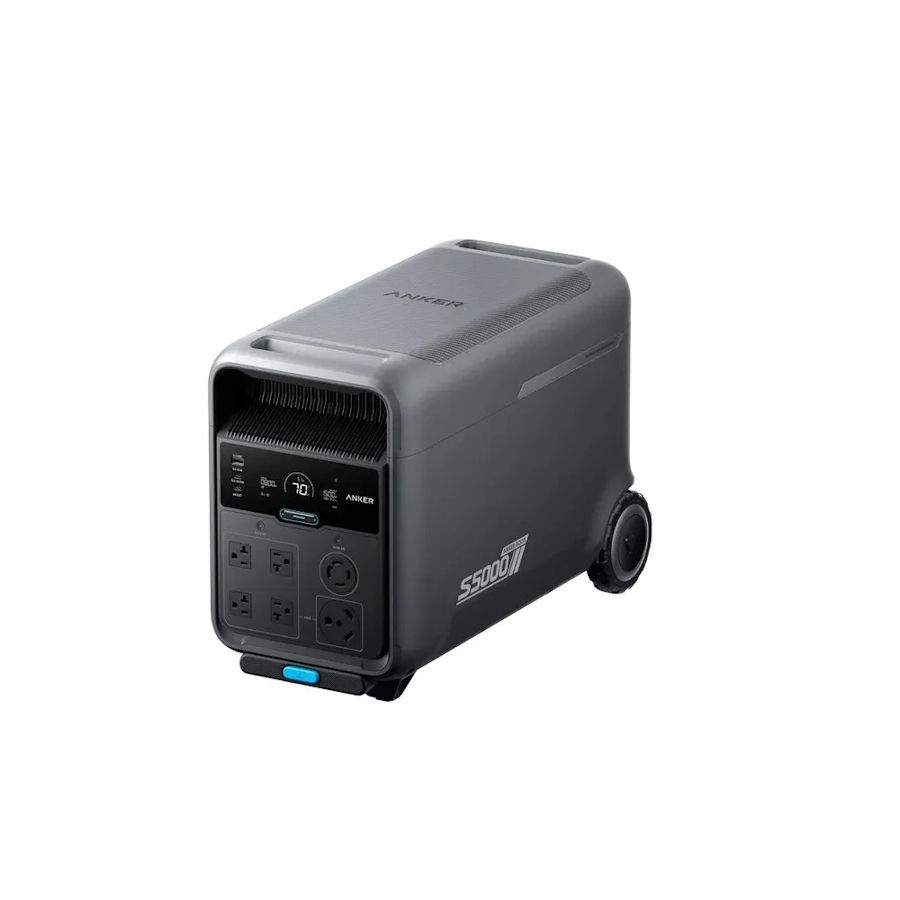
The same amount of sunlight can be sufficient for one household routine and support only part of another because the charging target changes. Imagine that a battery supplies 1,200Wh during an evening. The next day’s solar task is to replace roughly that energy, rather than automatically refill the entire battery from empty. A larger 5kWh-class station can therefore operate with different solar requirements from day to day. The Anker SOLIX S5000 has 5,024Wh of base capacity, but users may consume only part of that reserve between solar sessions. Thinking in terms of energy replacement makes sunlight easier to evaluate: first determine how many watt-hours should return, then consider whether the available solar window and panel configuration can realistically collect them.
Panel Wattage Converts Sunlight Into a Daily Energy Budget
Panel rating provides the next piece of the calculation. A 400W panel receiving the equivalent of five peak sun hours has a simple theoretical energy potential of 2,000Wh before real operating conditions are considered. This is a planning estimate rather than a guaranteed daily yield because actual collection changes with sunlight and the installation. The S5000 is offered with a 400W bifacial solar panel and supports up to 3,000W of solar input. Anker lists a 2.1-hour full-charge time when the station receives the maximum 3,000W solar input under its specified conditions. These figures show why “hours of sun” alone cannot predict charging time. Panel capacity and the station’s supported solar input determine how effectively a solar window can be converted into stored energy.
Make Each Solar Window Work for the Energy Plan
Morning and Afternoon Sun Still Belong in the Calculation
Midday often provides stronger solar conditions, but a useful charging day extends beyond one ideal moment. Morning and afternoon exposure can contribute energy even when production differs from the strongest part of the day. For a battery system, these contributions accumulate. A user who needs a moderate top-up may reach the day’s energy target through several hours of changing solar input rather than waiting for one continuous period at maximum panel output. This is especially relevant when the generator begins the day with substantial stored capacity. Instead of judging solar viability from the highest input number seen at noon, look at total energy collected across the useful daylight window.
Panel Position Determines How Much Sun Becomes Electricity
Available sunlight and captured sunlight are different things. A sunny location only becomes useful to the charging system when the panel receives suitable exposure. Panel orientation and temporary shade can change collection as the sun moves across the sky. Bifacial panel design adds another consideration because both sides are designed to participate in light collection. The S5000’s 400W bifacial solar panel option makes the physical setup part of the energy plan, not merely an accessory choice. Follow the panel’s positioning guidance and select an open area that suits its design. For longer stationary sessions, checking the panel as sunlight shifts can also keep the setup aligned with the intended charging window.
Stored Energy Bridges the Hours Between Solar Sessions
The battery allows solar collection and electricity consumption to happen at different times. Energy gathered during the day can support loads after sunset, while unused capacity from the previous day can reduce the amount that must be replenished the next morning. This is why a solar generator should be planned as an energy buffer rather than a device that depends on continuous sunshine. The S5000 also lists 512 hours of idle standby time under Anker’s specified conditions, showing the role stored energy can play while the system waits between active periods. When solar conditions and daily consumption vary, users can plan across several energy windows instead of expecting each day’s sunlight to mirror that day’s exact electricity schedule.
Conclusion
The amount of sun a solar generator needs depends on energy consumption, panel capacity, exposure, and the amount of battery energy that needs replenishing. Peak sun hours provide a better planning measure than total daylight, while the battery separates solar collection from the time electricity is actually consumed. With 5,024Wh of storage, a 400W bifacial solar panel option, and support for up to 3,000W solar input, the Anker SOLIX S5000 offers room to match different solar windows with different energy goals.

