

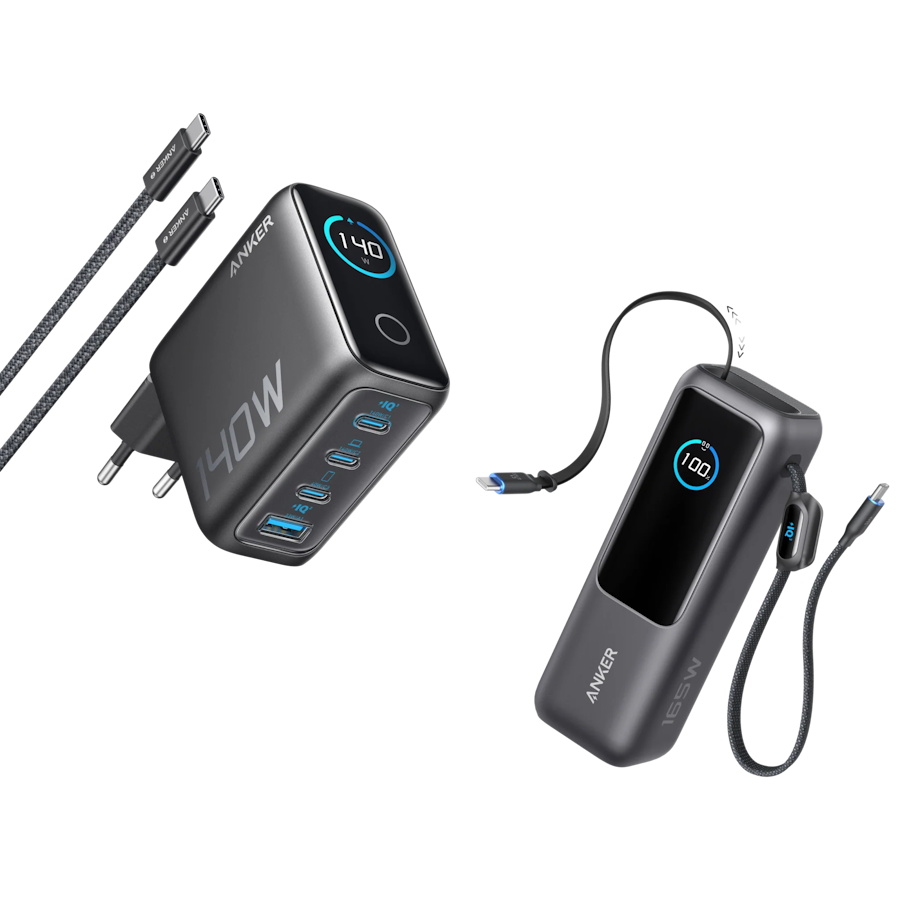
A power bank can be a lifesaver when your phone battery drops during a commute, a long journey, or an important call. Instead of searching for an available socket, you can connect your device and keep going. However, buying one is not simply about choosing the largest capacity or the lowest price. Charging speed, size, ports, safety, and build quality all affect how useful it will be.
Before choosing a power bank, consider your devices and time away from a wall socket. Someone who only needs an occasional phone top-up has different needs from a traveller who charges a phone, tablet, and earbuds throughout the day. Planning can help you avoid paying for features you will rarely use.
Choose a Suitable Capacity
Capacity is measured in milliamp-hours, or mAh. A higher figure generally means more stored energy, but it does not tell you exactly how many full phone charges you will get. Some energy is lost during conversion and transfer, so less reaches your device than the advertised capacity suggests. Also check whether the manufacturer states capacity at the battery's internal voltage or at the USB output, since these figures are not always directly comparable. Specifications make comparisons fairer and help set realistic expectations before purchase.
For occasional use, a compact 5,000 to 10,000 mAh model may provide a useful top-up. If you travel often or use maps, video, and navigation throughout the day, 10,000 to 20,000 mAh may be more practical.
Match Capacity to Your Routine
Check your phone's battery size and consider how often you run out of charge away from home. Include earbuds or a smartwatch if you plan to charge them too.
Check Charging Speed
Capacity tells you how much energy is stored; output power tells you how quickly it can be delivered. Charging speed depends on both the charger and the device. A phone that supports fast charging will not reach its top speed if the portable charger cannot provide the required output.
Check the wattage listed for each port. Many newer phones use USB-C Power Delivery, while some Android models support other fast-charging standards. Choose a power bank that supports a standard compatible with your device. The cable matters as well: a poor-quality or unsuitable cable can slow charging even when the charger is capable.
Understand Input and Output
Output is the speed at which the unit charges another device. Input is the speed at which the unit itself recharges. A model with strong output but slow input can be inconvenient if you use it daily. USB-C may support both directions, but check the specifications because not every port works in the same way.
Select the Right Ports
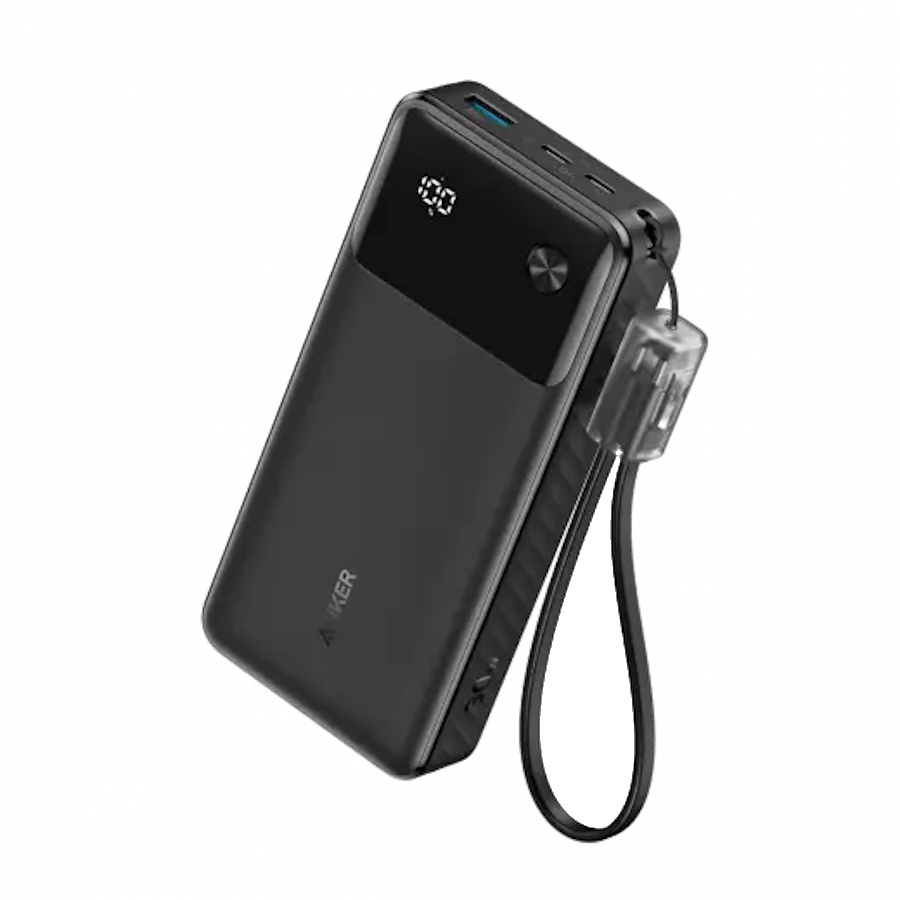
A charger should connect easily to the devices you own. USB-C is common on newer phones, tablets, and accessories, while USB-A remains handy for older cables and gadgets. If you charge several devices, look for multiple ports and check their combined output.
Built-in cables can reduce clutter, although detachable ones are easier to replace if damaged.
Think About Size and Build
A charger is only useful if you are comfortable carrying it. Slim models fit into pockets, while higher-capacity versions are better suited to backpacks. Compare dimensions and weight rather than relying on product photos.
Look for a solid casing, secure ports, and buttons that respond properly. A clear battery indicator is helpful because it shows when a recharge is due.
Put Safety First
Portable batteries store considerable energy in a small space, so safety deserves attention. Look for protection against overcharging, overheating, overcurrent, and short circuits.
Be cautious with unusually cheap products that have unclear specifications, poor packaging, or no reliable brand details. Stop using a unit if it becomes swollen, unusually hot, or damaged. Avoid leaving it under bedding or inside a hot car, and use a suitable cable and wall adapter when recharging.
Consider Helpful Extras
Some additional features can make daily use easier. Pass-through charging lets the unit and a connected device charge at the same time, although support varies. Wireless charging is convenient for compatible phones, but it may be slower and less efficient than a cable.
Airline rules are worth checking if you travel. Battery capacity is often stated in watt-hours (Wh), and airlines set limits for what passengers may carry. Check your airline's current policy before flying; spare lithium batteries generally belong in carry-on luggage.
Compare Before You Buy
Before ordering, compare complete specifications rather than relying on a headline capacity or a low price. Read recent reviews for comments about speed, heat, and durability. Check the warranty, return conditions, and the seller's reputation as well.
A good power bank should work with your devices without requiring complicated setup. Make sure the listed capacity, port output, and charging standards are clear. If the product page leaves basic details unanswered, consider another option.
Conclusion
There is no single model that suits everyone. Choose capacity according to how long you spend away from an outlet, check that charging standards match your devices, and consider ports, weight, build quality, and safety together. A practical power bank is one that fits naturally into your routine, not simply the one with the highest number on its packaging.
Focus on reliable performance and useful features, and you will have a portable charger ready when your battery needs help.

