

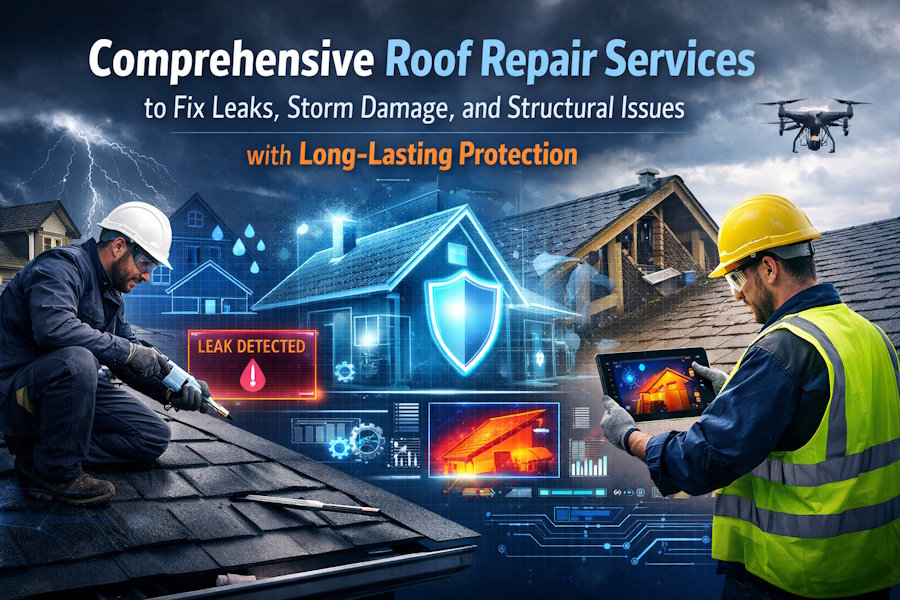
Introduction to Roof Importance
A roof is one of the most important structural elements of any building because it provides protection, insulation, and overall stability to the entire property. Despite its importance, many property owners tend to ignore it until a serious issue arises, which often leads to costly damage and unnecessary stress. Understanding how a roof works, how it deteriorates over time, and how it should be maintained can significantly extend its lifespan and improve the safety and comfort of your home. A well-maintained roof not only protects against external weather conditions but also enhances energy efficiency and increases property value over time, making it an essential aspect of responsible homeownership.
Roofs Face Continuous Wear and Tear
Roofing systems are constantly exposed to environmental stress such as sunlight, rain, wind, and temperature fluctuations, all of which gradually weaken materials and reduce performance. Even high-quality roofing systems eventually show signs of wear, which is why regular inspection and maintenance are necessary. When small issues are ignored, they tend to develop into larger structural problems that require expensive solutions and extensive repairs. This is why understanding early warning signs and acting promptly plays a crucial role in preventing long-term damage and ensuring the durability of the structure.
There are several common causes that contribute to roof deterioration, and being aware of them helps in taking preventive measures. Weather conditions are one of the most significant factors, as continuous exposure to rain can lead to water infiltration while strong sunlight can cause materials to dry out and crack. Poor installation is another major reason for early damage because even the best materials cannot perform effectively if they are not installed correctly. Lack of maintenance is equally harmful because debris accumulation, clogged drainage systems, and unnoticed leaks can silently damage the structure over time. Natural aging of materials also plays a role, as every roofing system has a limited lifespan depending on the type of material used, and moisture retention can further accelerate deterioration by encouraging mold growth and structural weakening.
Early Warning Signs of Roof Problems
Recognizing the early signs of damage is extremely important because it allows timely action before the situation worsens. Common indicators include missing or broken shingles, water stains on ceilings or walls, sagging roof sections, mold growth, and unexpected increases in energy bills. In many cases, homeowners overlook these warning signs until the damage becomes severe, which is why regular observation is essential. At this stage, seeking professional roof repair becomes necessary to prevent further structural complications and ensure the safety of the property.
Routine inspections are one of the most effective ways to maintain a healthy roofing system. Experts generally recommend conducting inspections at least twice a year along with additional checks after severe weather conditions. These inspections help identify hidden issues that may not be visible from the ground and ensure that minor problems are addressed before they escalate. While some homeowners prefer to perform basic visual inspections themselves, professional evaluation is always more accurate and thorough because trained experts can detect subtle signs of damage that are often missed by untrained eyes.
Practical Roof Maintenance Tips for Homeowners
Homeowners can also take several practical steps to maintain their roof and reduce the risk of damage. Keeping gutters clean is essential because blocked drainage systems can cause water to accumulate and seep into the roof structure, leading to leaks and moisture damage. Removing debris such as leaves and branches helps prevent moisture retention and surface decay. Trimming overhanging tree branches reduces the risk of physical damage during storms and also minimizes the accumulation of falling debris. Ensuring proper ventilation is another important factor because it helps regulate temperature and moisture levels, which prevents internal condensation and extends the lifespan of roofing materials.
Despite regular maintenance efforts, some situations require professional attention because they involve complex structural issues that cannot be safely handled without expertise. Persistent leaks, widespread shingle damage, structural sagging, and mold growth are clear indicators that professional intervention is necessary. In such cases, expert roof repair services provide accurate diagnosis and effective solutions that restore the integrity of the roofing system and prevent further complications. Attempting to fix serious roofing issues without proper knowledge or equipment can often make the problem worse and increase repair costs in the long run.
Different Roofing Materials and Their Care Requirements
Different roofing materials also require different maintenance approaches, and understanding these differences is essential for long-term care. Asphalt shingles are commonly used due to their affordability and require periodic replacement of damaged sections. Metal roofs are known for their durability but should be inspected for corrosion and loose fittings. Tile roofs are long-lasting but can crack under pressure and require careful handling during maintenance. Wood roofing requires regular treatment to protect against moisture and insect damage, while flat roofing systems need special attention to drainage to prevent water pooling and leakage.
Financial and Structural Risks of Ignoring Roof Issues
Ignoring roofing problems can lead to severe consequences that affect both the structure and the financial value of the property. Small leaks can gradually expand into major water damage affecting ceilings, walls, insulation, and even the foundation of the building. Moisture intrusion also promotes mold growth, which can negatively impact indoor air quality and pose health risks. Repairing extensive damage is significantly more expensive than addressing minor issues early, which is why timely action is always the most cost-effective approach.
Weather conditions also play a major role in determining roof lifespan, as different environments create different challenges. High temperatures can cause materials to dry and crack, while freezing conditions may lead to ice buildup and expansion damage. Heavy rainfall increases the risk of leakage and moisture retention, while strong winds can loosen or remove roofing materials entirely. Understanding these environmental impacts helps homeowners take preventive measures and adjust maintenance practices accordingly.
Preventive Strategies for Long-Term Roof Protection
Preventive care is the most effective strategy for ensuring long-term roof durability. Investing in quality materials, scheduling regular maintenance, improving insulation, and applying protective coatings all contribute to better performance and extended lifespan. Addressing issues promptly when they arise prevents escalation and reduces overall repair costs. These proactive measures not only preserve structural integrity but also enhance energy efficiency and overall comfort within the building.
Choosing the right roofing professional is equally important because the quality of workmanship directly affects the durability of the roof. Experienced and certified professionals provide accurate assessments, reliable roof repairs, and long-term solutions that ensure safety and performance. Checking reviews, verifying credentials, and comparing service quality can help in selecting a trustworthy contractor who can handle roofing needs effectively.
Conclusion
In conclusion, maintaining a roof requires consistent attention, timely action, and a clear understanding of how roofing systems function. Ignoring minor issues can lead to major problems, while proactive maintenance ensures long-term durability and cost savings. Whether it involves routine inspection, preventive care, or professional roof repair, every step contributes to the overall health of the structure. A well-maintained roof not only protects your home but also enhances its value, efficiency, and safety for many years to come.
Modern roofing technology has also introduced several advancements that improve efficiency, sustainability, and durability. Energy-efficient materials help reduce heating and cooling costs, while innovative waterproofing systems provide better protection against leaks. Solar-integrated roofing solutions are also becoming increasingly popular due to their environmental and economic benefits, offering homeowners a combination of protection and energy generation.

