

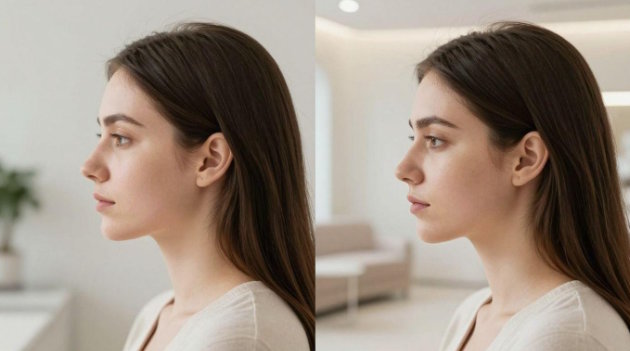
Why Korea Is a Leading Destination for Facial Procedures
South Korea has become a major hub for cosmetic procedures, especially for face surgery. Many people travel here because of the advanced technology and the skill of the surgeons. It's not just about the procedures themselves, but also the overall experience.
Korean clinics often focus on creating natural-looking results that align with current beauty trends. This attention to detail and aesthetic sense is a big draw. Plus, the cost can be more affordable compared to other countries, making it an attractive option for many.
The combination of skilled professionals, modern facilities, and competitive pricing makes South Korea a top choice for those seeking facial rejuvenation. It's a place where many find the results they're looking for.
The Unique Approach to Asian Facial Aesthetics
When considering face surgery in Korea, it's important to understand their specific approach to Asian facial aesthetics. This isn't a one-size-fits-all situation; surgeons here often tailor procedures to enhance features common in Asian faces.
For example, procedures like rhinoplasty might focus on building up the nasal bridge or refining a bulbous tip, while eyelid surgery often aims to create a more defined crease for double eyelids. These techniques are designed to harmonize with existing facial structures.
This specialized focus means that surgeons have a deep understanding of the nuances that define Asian beauty standards. They aim for results that look natural and balanced on an Asian face, rather than trying to impose Western ideals.
Types of Face Lift Procedures Available
South Korea offers a variety of face lift procedures, catering to different needs and concerns. It's not just one type of surgery; there are options for subtle enhancements or more significant rejuvenation.
Some common types include:
- Thread Lifts: A less invasive option using dissolvable threads to lift and tighten the skin.
- Mini Face Lifts: Targets specific areas like the lower face and jawline for a more focused lift.
- Full Face Lifts (including SMAS/Deep Plane): More comprehensive procedures that address sagging in the mid-face, jowls, and neck for a dramatic rejuvenation.
Each type of face surgery has its own recovery time and expected results. The best choice depends on an individual's specific aging concerns and desired outcomes.
Choosing Your South Korean Face Surgery Provider
Essential Criteria for Selecting a Clinic
Picking the right place for your face surgery in South Korea is a big deal. It's not just about finding the cheapest option. You need to look for clinics that have surgeons who are board-certified. This means they've met strict standards for training and skill. Also, check out their experience specifically with the type of face surgery you want. A clinic with a long history and good patient reviews is usually a safer bet. They should also have clear safety protocols in place.
Think about the clinic's overall approach. Do they seem focused on natural-looking results? Are they transparent about everything, from the procedure itself to the costs involved? A good clinic will have a solid portfolio of before-and-after photos, especially for cases similar to yours. They should also be upfront about potential risks and what to expect during recovery. This level of detail shows they care about patient well-being.
Finally, consider the support system they offer. For international patients, this is super important. Do they help with language barriers? Do they have a plan for post-operative care and follow-ups? A clinic that provides comprehensive support makes the whole experience much smoother and less stressful. Choosing your South Korean face surgery provider wisely is the first step to a successful outcome.
Questions to Ask Potential Surgeons
When you talk to surgeons, don't be shy about asking questions. It's your face, after all. Start by asking about their qualifications and how many of the specific face surgery procedures they've performed. You want someone with plenty of hands-on experience. Ask about their complication rates and what happens if something goes wrong. A good surgeon will be honest about these things and have a plan in place.
It's also smart to ask about the techniques they use. Are they using the latest technology? What makes their approach unique or effective? Discuss your goals and see if the surgeon's vision aligns with yours. Ask them to show you before-and-after photos of patients with similar facial structures and concerns. This gives you a realistic idea of what results you might achieve.
Don't forget to ask about the recovery process. How long will it take? What kind of discomfort can you expect? What are the signs of a problem? Understanding these details beforehand helps you prepare mentally and physically. Asking the right questions helps you feel more confident in your choice of surgeon.
Identifying Reputable vs. Risky Providers
Spotting a good clinic from a less-than-ideal one takes some detective work. Reputable providers are usually very open. They'll readily share surgeon credentials, detailed procedure information, and transparent pricing. They won't pressure you into making a quick decision. Instead, they'll focus on educating you about all aspects of the surgery, including the risks.
Look for clinics that have a strong online presence with genuine patient testimonials and clear before-and-after galleries. They should have established protocols for patient safety and post-operative care. A clinic that works with international patients often has systems in place to help with translation and logistics, which is a good sign.
On the flip side, be wary of providers who are vague about credentials, push for immediate booking, or offer prices that seem too good to be true. If they downplay risks or have limited information available, it's a red flag. A lack of clear post-surgery support plans is also concerning. Trust your gut; if something feels off, it's probably best to look elsewhere for your South Korean face surgery.
The Consultation and Surgical Planning Process
What to Expect During a Korean Consultation
Getting ready for surgery in South Korea involves a detailed consultation. This isn't just a quick chat; it's a thorough process. You'll likely meet with several specialists, not just the main surgeon. Think of it as a team getting to know your face and your goals. They'll look at everything from your bone structure to your skin elasticity. This detailed evaluation is key to planning your South Korean face surgery. Be ready to talk openly about what you want to achieve. It's also the perfect time to ask any questions you have, no matter how small they seem. They want to make sure you're comfortable and informed before any South Korean face surgery happens.
Utilizing Advanced Imaging Technology
Many clinics in Seoul use some pretty high-tech tools to help plan your procedure. They often use 3D facial mapping and analysis. This technology gives you a clear picture of what changes are possible and what you might look like afterward. It’s like a virtual preview of your results. This helps set realistic expectations, which is super important. Seeing the potential outcomes visually can make a big difference in how you feel about the whole process. This advanced imaging is a big part of the surgical planning process.
Setting Realistic Expectations for Results
It's vital to have a clear idea of what South Korean face surgery can and cannot do. While Korean surgeons are incredibly skilled, they focus on enhancing your natural features. They aim for results that look beautiful and youthful but still like you. Dr. Chang, for example, is known for highly personalized procedures. Expect subtle refinements rather than drastic, unnatural changes. Discussing your hopes and understanding the surgeon's approach during the consultation helps align your expectations with what's achievable. Remember, the goal is improvement, not a complete transformation into someone else.
Preparing for Your South Korean Face Surgery
Getting ready for a face surgery in South Korea involves a few key steps to make sure everything goes smoothly. It's not just about booking the flight; there's a bit more to it.
Pre-Operative Medical Assessments
Before any surgery, a thorough medical check is a must. This usually includes blood tests to check your general health and make sure you're fit for the procedure. Your surgeon will want to know about any allergies or existing conditions you have. This information is super important for planning the right anesthesia and any medications you might need. It's all about safety first.
Essential Steps Before Surgery
There are a few things you'll need to do in the weeks leading up to your surgery. For instance, many surgeons will ask you to stop taking certain medications and supplements, especially those that can thin your blood, like aspirin or even some vitamins. You'll also want to have all your medical history translated if it's not already in English or Korean. This helps your surgical team understand everything about your health.
Arranging Post-Surgery Accommodation
After your face surgery, you'll need a comfortable place to recover. Many clinics offer or can help you arrange accommodation nearby. It's a good idea to have someone with you for the first day or two, especially after the anesthesia wears off. Planning this ahead means you can focus on healing without worrying about where you'll stay or how you'll get around.
Here's a quick checklist to help you prepare:
- Medical Check-up: Complete all required blood tests and health screenings.
- Medication Review: Stop blood-thinning medications and supplements as advised by your surgeon.
- Information Gathering: Ensure your medical history is accessible and translated if needed.
- Logistics: Arrange for transportation to and from the clinic, and plan your post-surgery accommodation.
- Communication: Confirm how you'll stay in touch with your clinic and medical coordinator.
Following these preparation steps carefully can make a big difference in your overall experience and recovery after your South Korean face surgery. It shows you're serious about the process and helps the medical team do their best work.
Navigating the Surgical Experience
Understanding Anesthesia Options
Choosing the right anesthesia is a key part of your surgical journey. For many facial procedures in South Korea, local anesthesia with sedation is common. This means you'll be awake but relaxed and won't feel pain. It's a good option for less invasive surgeries.
General anesthesia is also available, especially for more extensive procedures or when multiple surgeries are combined. This puts you completely to sleep. Your surgeon and the anesthesiologist will discuss which type of anesthesia is best suited for your specific needs and the planned Korean cosmetic surgery.
The Surgical Procedure Itself
Once anesthesia is administered, the surgical team begins the procedure. The exact steps will vary greatly depending on the type of face lift or other facial surgery you are having. Surgeons in South Korea often use precise techniques to achieve natural-looking results. They focus on creating harmony within your facial features.
The goal is always to enhance your natural beauty, not to create an artificial look. Patience during this phase is important, as the surgeon works meticulously. The duration of the surgery can range from an hour to several hours, depending on the complexity.
Potential for Combined Procedures
Many patients consider combining procedures during their visit for South Korean face surgery. This can include a facelift along with eyelid surgery or a rhinoplasty. Combining surgeries can be more time-efficient for your overall trip, potentially saving on travel costs and time away from work.
However, it's important to discuss this thoroughly with your surgeon. Combined procedures often mean a longer surgery time and a more involved recovery period. Your surgeon will assess if combining procedures is safe and appropriate for your health and desired outcomes. This approach is a common practice in Korean plastic surgery.
Recovery and Aftercare Following Surgery
Immediate Post-Operative Period
Right after your face surgery in Korea, expect some discomfort. Pain management is key, and your surgeon will provide medication. Swelling and bruising are normal and will be most noticeable in the first few days. Keeping your head elevated is vital to help reduce swelling. Rest is your top priority during this initial phase.
It's important to follow your surgeon's specific instructions precisely. This might include using cold compresses, but be gentle. Avoid any strenuous activity. Your clinic will likely schedule a follow-up appointment very soon after the procedure to check on your progress and address any immediate concerns. This early check-in is a standard part of Korean plastic surgery care.
Timeline for Stitch Removal and Swelling Reduction
Most stitches used in facial procedures can be removed about a week to ten days after surgery. Your surgeon will let you know the exact timing. As the weeks go by, the swelling will gradually decrease. While significant swelling might subside within a couple of weeks, some subtle swelling can linger for several months. Patience is a virtue when it comes to seeing the final results of your face surgery.
Expect to see noticeable improvements as the swelling goes down. Bruising typically fades within one to two weeks. You'll start to feel more like yourself, but it’s still wise to avoid harsh activities. The journey of recovery after a face lift is a marathon, not a sprint, and consistent aftercare makes all the difference.
Tips for Optimal Healing and Comfort
To help your body heal well and stay comfortable, several things can be done. Gentle massage, if recommended by your surgeon, can aid circulation and reduce stiffness. Staying hydrated and eating nutritious foods supports your body's repair processes. Also, avoid smoking and excessive alcohol, as these can slow down healing.
- Sleep with your head elevated using extra pillows.
- Avoid direct sun exposure to protect healing skin.
- Follow medication schedules for pain and antibiotics.
- Keep incisions clean and dry as instructed.
Proper aftercare is just as important as the surgery itself. It directly impacts the final outcome and your overall satisfaction with the procedure. Don't skip follow-up appointments, and communicate any worries to your medical team promptly.
Costs and Potential Risks of Face Surgery
Understanding the Full Cost Structure
When considering a face lift in South Korea, it's important to look beyond just the surgical fee. The total cost can include several components. Many clinics bundle the surgery, anesthesia, and basic post-operative care into one price. However, things like pre-operative medical tests, medications, and any specialized post-op treatments are often separate charges. Always ask for a detailed breakdown to avoid surprises. The face lift procedure itself is a significant investment, and understanding all associated expenses is key.
Costs can vary widely based on the clinic's reputation, the surgeon's experience, and the complexity of the procedure. A simple thread lift will naturally cost less than a full SMAS lift. It's also worth noting that international travel expenses, such as flights and accommodation, are not typically included in the surgical package. Planning for these additional costs is part of responsible budgeting for your surgery.
Here's a general idea of what different types of face lifts might cost in South Korea:
|
Procedure Type |
Estimated Cost (USD) |
|
Thread Lift |
$600 - $2,200 |
|
Mini Face Lift |
$3,000 - $5,500 |
|
Full Face Lift |
$6,500 - $11,000 |
|
SMAS/Deep Plane Lift |
$7,500+ |
Common Risks and Complications
While face lifts are generally safe, especially when performed by skilled surgeons, no surgery is without risks. Potential complications can include hematoma (blood collection), infection, and nerve injury, which might lead to temporary or, in rare cases, permanent changes in sensation or muscle movement. Scarring is also a possibility, though surgeons aim to place incisions discreetly.
Unsatisfactory aesthetic outcomes are another concern. This could manifest as asymmetry between the sides of the face, overcorrection, or results that don't meet the patient's expectations. Choosing a reputable provider and having clear, realistic discussions about potential results during the consultation phase can help mitigate these risks. It's vital to have open communication with your surgeon about any concerns.
It's important to remember that a face lift is a major surgical procedure. Thorough pre-operative assessments and strict adherence to post-operative care instructions are critical for minimizing risks and achieving the best possible outcome.
Factors Influencing Procedure Pricing
Several factors contribute to the overall price of a face lift. The surgeon's level of experience and specialization plays a significant role; highly sought-after surgeons often command higher fees. The location and prestige of the clinic also influence pricing, with well-known facilities in prime areas typically costing more.
The specific technique used for the face lift is another major determinant. More invasive procedures that involve deeper tissue manipulation, like a deep plane lift, require more surgical time and skill, thus increasing the cost compared to less complex options such as a thread lift. The extent of the correction needed, based on the individual's aging signs, also impacts the procedure's duration and complexity, affecting the final price.
Finally, the inclusion of additional services can affect the total cost. Some clinics might include advanced imaging technology, extensive pre-operative testing, or comprehensive post-operative care packages in their pricing. Understanding what is included and what is extra is crucial when comparing quotes from different providers.
Wrapping Up Your Decision
So, you've looked into getting face surgery in South Korea. It's a big step, and it's good you're doing your homework. Korea has a lot to offer, from skilled doctors to advanced techniques, and it can be a really positive experience. But remember, it's not just about picking the cheapest option or the first clinic you see. Take your time to find a surgeon you trust, understand all the costs involved, and be realistic about what surgery can do. Planning your recovery well is also super important. Doing all this research beforehand will help make sure you get the results you're hoping for and have a smoother journey overall.

