

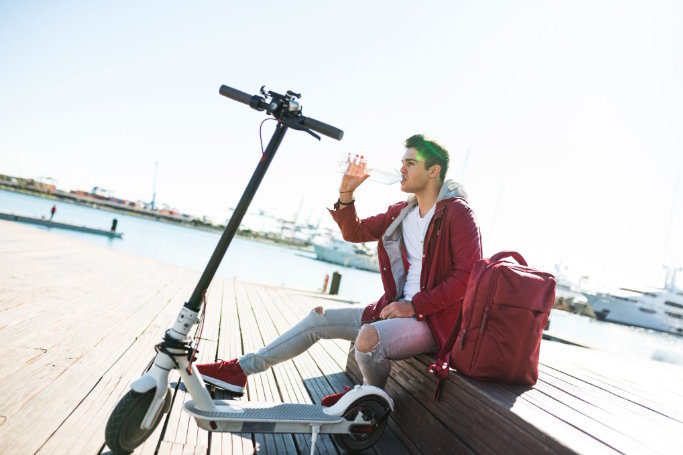
Getting around today is not just about cars anymore. More people are choosing smarter and easier ways to travel every day. From bikes and electric scooters to public transport and shared rides, alternative transportation is becoming a normal part of daily life.
These options help save money, reduce traffic stress, and are often better for the environment, too. In busy cities, they also make short trips faster and more convenient. In this blog, we’ll explore why more people are switching to these travel choices and how alternative transportation is changing the way we move from place to place every day.
Exploring Alternative Transportation: Modern Solutions for Daily Life
Understanding the current landscape starts with understanding how we got here. The options available today didn't appear overnight.
The Evolution of Everyday Transportation Solutions
For most of the 20th century, the car was untouchable. No serious competitor existed. Then fuel prices surged, traffic worsened, environmental regulations tightened, and perhaps most critically, technology caught up.
Improved battery performance, smartphone integration, and app-based platforms fundamentally rewired what everyday transportation solutions could look like, including new options like the electric tricycle.
Urbanization accelerated all of it. As cities densified, the demand for compact, affordable, and genuinely nimble travel options grew alongside them. The market responded accordingly.
Key Advantages of Embracing Green Travel Methods
Here's what rarely gets said plainly enough: switching to green travel methods benefits you directly, not just the planet. Reduced fuel and maintenance costs accumulate into serious savings over a full year.
Cycling or scooting adds physical activity to your routine without requiring a gym membership. And the parking situation? It simply stops being a problem when you're riding something that fits almost anywhere.
That alone changes the texture of a Monday morning commute.
Top Innovative Modes of Alternative Transportation Shaping Today's Cities
The case for greener commuting is increasingly clear. But which specific options are actually reshaping how cities move? Here's where it gets interesting.
Electric Tricycle: The New Face of Urban Mobility
One vehicle quietly gaining serious ground across North America and Europe is the electric tricycle. Its three-wheel design delivers inherent stability that standard e-bikes simply can't match, a feature that matters enormously for seniors, individuals managing mobility challenges, and parents handling kids alongside grocery loads.
Enhanced cargo capacity and straightforward handling round out the appeal. Canadian retailers have already reported rising demand, and the trend mirrors what urban centers in Asia and Europe observed several years earlier.
Electric Scooters, E-Bikes, and Personal Light Electric Vehicles
Beyond the electric tricycle, a broader ecosystem of personal light electric vehicles is filling commute gaps that cars were never efficiently designed to cover. E-bikes handle longer distances with minimal physical effort.
Scooters excel at short hops between transit stops. Together, these vehicles make sustainable travel options genuinely practical for solo city commuters, not theoretically practical, but practically practical. Range, portability, and cost-effectiveness vary considerably across models, so matching the right vehicle to your specific needs is worth the research time.
Car-Sharing, Ride-Hailing, and Microtransit
Personal electric vehicles are excellent for solo commutes. But what about days requiring more cargo, more passengers, or longer range? That's where car-sharing and ride-hailing platforms step in, reducing private vehicle usage, particularly when layered with public transit.
For neighborhoods outside traditional transit coverage, on-demand microtransit shuttles are filling meaningful service gaps, connecting underserved communities to major hubs through flexible, bookable routes.
Sustainable Travel Options for Families, Workers, and Students
Innovative options only matter if they work for real people's real schedules. So how do these solutions actually fit into daily life?
Alternative Transportation Solutions for Families
Families are finding sustainable travel options far more practical than expected. Cargo e-bikes and electric tricycles with child seat attachments handle school runs efficiently without the parking search that comes standard with a full-size vehicle. Utility e-bikes manage grocery runs with comparable ease.
The financial savings compound quickly, too: replacing even one daily car trip with a two-wheeler produces measurable monthly reductions in fuel and maintenance costs.
Streamlining Daily Work Commutes with Eco-Friendly Options
The same practicality families are discovering extends naturally into professional commutes. A growing number of employers now support eco-friendly commuting through e-bike purchase subsidies, secure bicycle storage, and on-site charging infrastructure. Last-mile solutions think folding e-bikes paired with train travel have become genuinely competitive alternatives to driving the full route door-to-door.
Future Trends: What's Next for Eco-Friendly Commuting?
Infrastructure and technology are both evolving rapidly to support the growing shift toward alternative transit. The momentum is real and measurable.
Smart Cities and Policy Shifts
Ontario shared micromobility users completed over 500,000 trips in a single year through Bird Canada proof that urban ridership has moved well past the experimental stage. Government rebates and grants are actively accelerating e-bike and electric tricycle adoption, while urban planners are carving dedicated cycling corridors and car-free zones into city infrastructure.
Emerging Technologies in Sustainable Travel
Solar-powered mobility, next-generation EV batteries, and autonomous shared vehicles are advancing faster than most people realize. These developments won't just make eco-friendly commuting more practical; they'll make it extraordinary. Some of these breakthroughs are genuinely closer than the headlines suggest.
Your Questions About Alternative Transportation, Answered
What are the most cost-effective sustainable travel options for city dwellers?
E-bikes and electric scooters consistently offer the strongest value for urban commuters. Low upfront investment, minimal maintenance requirements, and zero fuel costs mean most riders recover their purchase price within 6–12 months compared to regular driving.
How safe is it to use an electric tricycle for everyday commuting?
The three-wheel configuration makes the electric tricycle one of the more stable personal electric vehicles available. With a helmet, adherence to bike lane protocols, and awareness of local traffic regulations, riders across virtually every age group commute daily with genuine confidence.
Can alternative transportation modes work in all weather conditions?
Most e-bikes and electric tricycles manage light rain well with appropriate tires and fenders fitted. Extreme cold does marginally reduce battery range. Many experienced riders combine e-bikes with public transit during harsher winter months, maintaining year-round reliability without significant disruption.
Final Thoughts on Making the Switch to Alternative Transportation
The argument for alternative transportation has never been stronger or more grounded in practical reality. From the electric tricycle designed for families and seniors to e-bikes that meaningfully reduce commute costs, viable solutions now exist for nearly every lifestyle and budget. Everyday transportation solutions are evolving quickly, driven by technology improvements, supportive policy frameworks, and consumer demand that's only accelerating. Removing even one car trip from your daily routine creates a real, compounding difference over time. The path toward greener, healthier, and more affordable travel isn't a distant aspiration; it's already wide open. It simply takes one deliberate decision to step onto it.

