

Foldable smartphones now offer big screens without giving up portability, but the real test comes down to battery life. A large inner display, powerful processor, and 5G radio can drain power fast if the device is not optimized. Shoppers who work on the go, game often, or stream video need a foldable that lasts through long days, not just a few hours of light use. Flagship foldables from major brands now combine high‑capacity batteries, efficient chipsets, and smart power management to deliver reliable screen‑on time. This guide explains why battery life matters so much on foldables, which features influence endurance, and how you can squeeze more hours from each charge, so your foldable stays useful from morning to night.
Why Battery Life Matters In Foldable Smartphones
Power Demands Of Foldable Displays
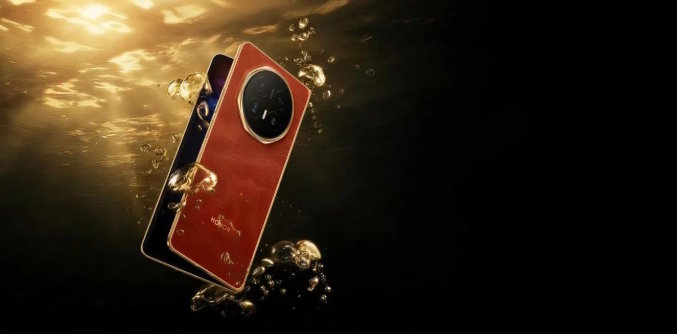
HONOR Magic V6 and other foldable smartphones drive two screens at once: a cover display and a larger inner panel. The inner screen often uses a tablet-like size with high brightness and fast refresh rates, which draw far more power than a typical phone display. Multitasking also pushes the screen harder, since you may run two or three apps side by side. When users watch HDR video, join video calls, or play games on the unfolded screen, the battery must power both the display and a high load on the processor and GPU. Devices such as the honor magic v6 dubai rely on large batteries and intelligent power management to balance performance and endurance. Without a large battery and smart tuning, this combination can drain charge surprisingly quickly.
How Modern Foldables Improve Efficiency
Modern foldable smartphones fight heavy power use with a mix of hardware and software tricks. Newer OLED panels adjust brightness and refresh rate on the fly, lowering power draw during static content like reading or messaging. Latest‑generation chipsets use smaller manufacturing processes, which deliver more performance per watt and generate less heat. Brands also refine Android software and custom skins to close background apps and limit runaway processes. Battery health tools watch charging patterns and reduce wear over time. Together, these improvements allow foldables to offer big inner displays and smooth performance while still lasting a full workday for most typical users.
Key Features To Look For In A Foldable Smartphone
Battery Capacity And Daily Usage
Battery capacity, measured in mAh, gives a quick hint of potential endurance on a foldable phone. Devices with around 4,400–5,000 mAh generally handle a full day of mixed use that includes navigation, social apps, messaging, and some video streaming. Heavy gaming or long camera sessions on the inner display may still require a top‑up. Look for reviews that list screen‑on time and real‑world usage patterns, not just lab benchmarks. Software optimization also plays a big role. Two phones with similar battery sizes can show very different results depending on the chipset, display tuning, and how the manufacturer manages background tasks and network activity.
Fast Charging And Power Optimization
Fast charging lets you quickly recover hours of use with a short plug‑in session, which matters a lot for power‑hungry foldables. Many modern foldables support wired fast charging at 25W or higher, and some models add rapid wireless charging. A good charger plus smart power management means you can go from low to around 50% in roughly thirty minutes on many devices. Look for adaptive charging features that slow down at higher percentages to protect battery health. Power optimization modes can also extend life by limiting CPU peaks, lowering brightness, and restricting background syncing, especially useful when you need extra hours late in the day.
Tips To Extend Battery Life On Foldable Smartphones
Display And Refresh Rate Settings
The large inner display on a foldable consumes the most power, so small tweaks here make a big difference. Use adaptive or lower refresh rate modes when possible instead of forcing a constant high rate like 120Hz. Reduce brightness to the lowest comfortable level and enable dark mode, which helps OLED screens use less power on darker content. Shorten screen timeout so the display turns off quickly when idle. When you only need quick checks for messages or calls, use the cover screen instead of unfolding the device. These habits keep the big display from staying on longer than necessary and save meaningful battery life.
Charging Habits And Background App Control
Healthy charging habits help maintain battery capacity over time on foldables. Avoid letting the phone drop to zero often or stay at 100% on a hot charger for many hours. Many devices offer optimized charging that learns your routine and slows the final part of the charge overnight; keep this feature enabled. During the day, close unused apps that constantly refresh, like maps or social media, and review battery settings to restrict apps with high background use. Turn off radios you do not need, such as 5G, GPS, or Bluetooth, when possible. These simple steps reduce drain and keep your foldable running longer.

Conclusion
Foldable smartphones deliver a unique mix of portability and big‑screen productivity, but this design comes with extra power demands. A strong focus on battery life ensures you can enjoy multitasking, gaming, and media without searching for a charger midway through the day. When you compare models, pay attention to battery capacity, real‑world screen‑on time, fast charging support, and built‑in power optimization tools. Then adopt smart habits: tune display settings, manage refresh rates, control background activity, and charge in ways that protect long‑term battery health. With the right foldable and a few simple adjustments, you can get impressive battery life while still using every feature your device offers.

