

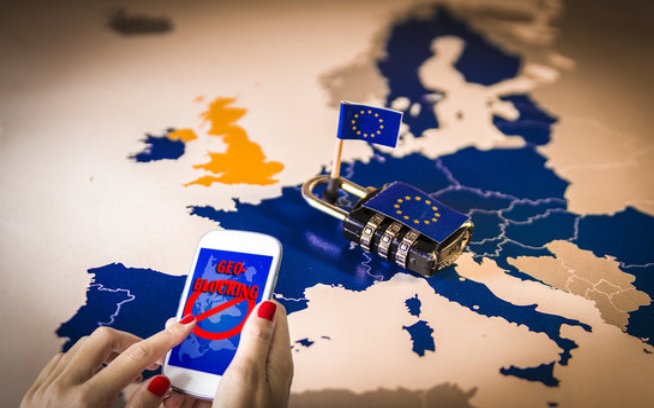
The internet feels like a massive global community where anyone can access information instantly. At some point, you've been hit with a vexing announcement that you can't find a particular video or site in your area. Such digital obstacle is called geoblocking. This technology is used by the media and website owners to limit access to certain locations. Having knowledge of how such geographic limitations function will enable you to deal with the modern web so a lot more effectively.
How Websites Detect Your Physical Location
All devices on the internet have an IP address; a string of numbers. This digital address is similar to the address you're used to receiving mail at. A web browser will automatically pass your IP address to the web server at that location, so it can send your data to the server. Unfortunately this address also tells the website your approximate geographical position. If the platform detects that you are visiting from a country outside their approved region they will instantly block you from viewing their digital media.
The Reasons Behind Regional Content Blocks
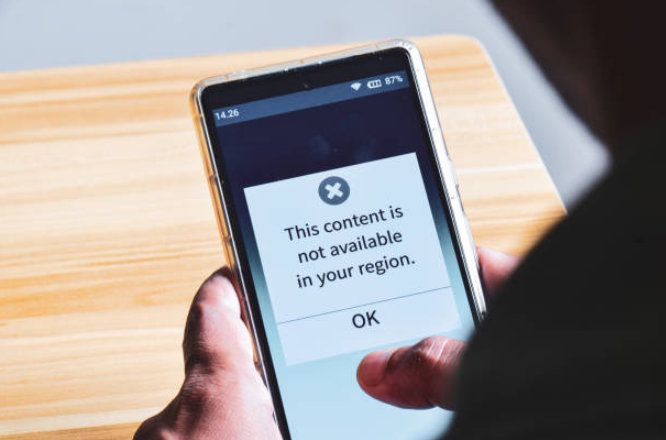
There are a number of important reasons why entertainment companies opt to cap their offering of digital content worldwide. The most common factors are copyright and licensing agreements. A streaming service might purchase the official rights to broadcast a popular television show in North America but not in Europe or Asia. In order to prevent giant fines, the platform will have to block foreign viewers from viewing that particular show. Some countries also have local censorship rules that mandate websites to block these videos completely within their country.
Simple Methods Used To Bypass Restrictions
Fortunately you do not have to let regional restrictions dictate what you can watch online. The best thing to do to get around these digital walls is to change your IP address that is visible. If you want to access entertainment from anywhere you can use an encryption tool to unblock YouTube with VPN services in just a few seconds. This software will route your internet traffic through a remote server in another country, in a secure way. By selecting a server in the correct region you trick the website into believing you are a local resident allowing you to enjoy your favorite videos effortlessly.
The Benefits Of Borderless Internet Access
Geographic content blocking is a huge improvement to the overall user experience when browsing the web. It helps travellers to keep up with their favourites of news and streaming entertainment from their home country. It also affords you access to a huge educational database and international media that may otherwise be unavailable in your area. Enjoying an open web ensures that you can research diverse topics connect with global communities and stream entertaining videos without facing annoying digital roadblocks every single day.
Conclusion
The digital world has its limitations and geographic restrictions are one of them. The IP of your Web site is constantly checked to make sure you are abiding by strict licensing policies as well as local censorship regulations. Fortunately, there are smart technologies such as virtual private networks that give back a lot of power to the average Web user. You can effectively overcome such geographical barriers with safety if you hide your real location. With a borderless internet you can browse without restrictions, without limitation and enjoy in full the value of the internet that offers to people today internet connectivity.

