

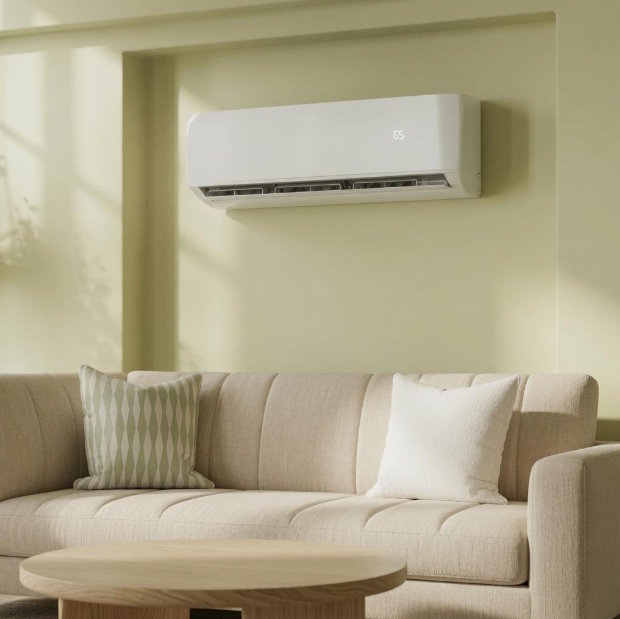
Information and control interface applications for DIY mini split systems from brands like Zone Air have made substantial improvements to both the quality of user interface and quality of information. Smart DIY mini split systems are transforming how homeowners experience heating and cooling by combining the convenience of do-it-yourself installation with advanced smart home technology and software integration. These systems offer a perfect solution for those seeking energy-efficient, cost-effective options to control indoor climate without the need for traditional HVAC systems and complex ductwork.
Streamlined Installation Process
One of the standout features of modern DIY mini splits is the streamlined installation process enabled by software-guided instructions and hardware innovations. Brands like Zone Air DIY have revolutionized the market by offering pre-charged line sets that eliminate the need for special tools or professional installation. The quick-connect lines and DIY communication cables enable homeowners to mount and connect units in just a few hours.
This easy installation not only saves on costly professional installation fees but also empowers users to take control of their home comfort through accessible technology. For HVAC businesses, HVAC software services can complement these advancements by helping streamline scheduling, customer management, service tracking, and other operational tasks associated with installation and maintenance.
Smart Control and IoT Integration
Smart control is another major advantage of these systems. Many DIY mini splits integrate seamlessly with popular smart home platforms such as Google Assistant and Amazon Alexa, allowing users to adjust temperature settings, switch between cooling mode and heating mode, or turn the system on and off with simple voice commands or through smartphone apps. This integration of HVAC software and IoT devices enhances convenience and enables homeowners to efficiently heat or cool specific rooms based on occupancy, further reducing energy consumption.
Selecting the Right System Capacity
When selecting the right system, it’s important to consider the size and capacity needed for your space. Mini split air conditioner units typically range in cooling capacity from 9,000 BTU to 36,000 BTU, covering areas from small rooms up to larger spaces of 1,500 square feet or more. For example, a 9,000 BTU unit is ideal for a single room or garage up to 400 square feet, while a 24,000 BTU system can efficiently cool or heat multiple rooms or larger open areas. Proper sizing ensures optimal performance and energy efficiency, avoiding the pitfalls of undersized or oversized systems.
Performance in Colder Climates
Another benefit of DIY mini splits is their suitability for colder climates. Hyper heat pump models are designed to efficiently heat homes even in temperatures as low as -22°F by transferring heat from outside air indoors. This makes them a viable alternative to traditional heating systems that rely on fossil fuels or electric resistance heating, offering a greener, more cost-effective option for all-season comfort.
Cost-Effective Maintenance and Longevity
Maintenance is straightforward but essential to preserve system longevity and efficiency. Proper maintenance includes regularly cleaning or replacing air filters, checking refrigerant levels, and ensuring that the outdoor unit is free from debris. Licensed HVAC technicians can assist with more technical tasks like inspecting refrigerant lines and verifying electrical connections, especially for multi-zone systems that serve multiple rooms. With proper maintenance, DIY mini splits can last 15 to 20 years, providing reliable comfort and energy savings over the long term.
Cost-wise, DIY mini splits present a cost-effective option compared to traditional HVAC systems. The equipment cost for a single-zone system typically ranges from $1,000 to $3,500, with multi-zone systems priced higher depending on the number of indoor units. Because professional installation is often not required, homeowners can save thousands on labor fees. Additionally, the high SEER ratings of these systems—typically ranging from 17 to 23—translate into lower monthly energy bills, making DIY mini splits an economical investment over time.
The Future of Home Climate Control
Overall, smart DIY mini split systems represent a perfect solution for homeowners looking to upgrade from outdated traditional HVAC systems without the hassle of professional installation or ductwork. They provide hyper efficient comfort, precise zone control, and smart connectivity that fits modern lifestyles. Whether cooling a single room, heating a garage, or managing climate across multiple rooms in a house, these systems deliver reliable, energy-efficient performance year-round.
By embracing the DIY approach with trusted brands offering pre charged, easy to install components and smart control features, homeowners can save money, protect their investment, reduce energy waste, and enjoy personalized comfort tailored to their unique needs. As smart home technology and HVAC software continue to advance, DIY mini splits are poised to become the go-to choice for efficient, flexible, and convenient home climate solutions.

