

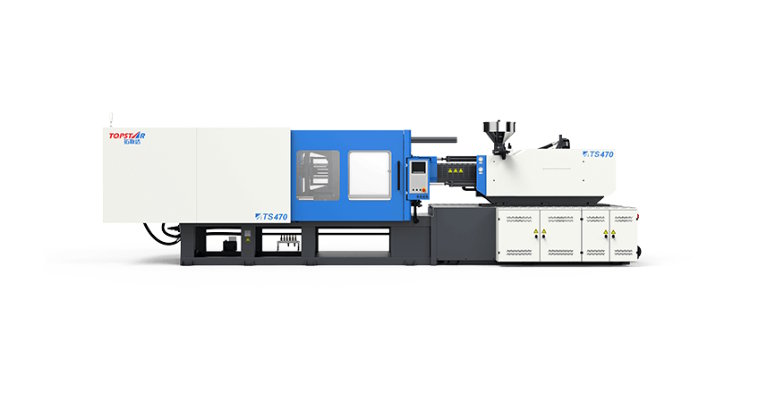
Hydraulic injection molding machines are designed to ensure consistent injection performance across millions of injection cycles. However, no matter how robust the equipment, prolonged continuous operation inevitably leads to mechanical wear, hydraulic fluctuations, thermal drift, and component aging. These gradual changes may not cause immediate machine failure. Still, they typically reduce injection accuracy, resulting in dimensional deviations, uneven part weight, flash, short shots, shrinkage marks, and increased scrap rates. For manufacturers producing automotive parts, medical devices, consumer electronics, home appliances, and precision-engineering plastics, even small variations in injection accuracy can significantly impact product quality, production efficiency, and customer satisfaction.
Why does the injection accuracy of a hydraulic injection molding machine gradually decline?
Before calibration, manufacturers must first understand why injection accuracy changes over time. Loss of accuracy is usually not caused by a single component failure, but rather by the gradual accumulation of wear and tear on multiple systems under continuous production conditions.
Each injection cycle subjects the machine to repetitive mechanical motion. Over thousands or even millions of cycles, wear and tear on moving parts is inevitable. Typical wear points include: screw splines, ball joints, guide rails, tie rods, toggle mechanisms, and linear bearings. Even minor wear can introduce backlash or positional errors, affecting injection consistency.
Performance Drift in Hydraulic Components
Unlike fully electric injection molding machines, hydraulic injection molding machines rely on stable hydraulic pressure and flow to perform operations. Over long periods of operation, hydraulic components may experience problems such as internal leaks, valve wear, decreased pump efficiency, seal aging, and unstable pressure. These changes weaken the machine’s ability to precisely control injection speed and holding pressure.
The temperature of the hydraulic oil directly affects its viscosity. As production continues and oil temperature rises, fluid characteristics change, altering the response of actuators and pressure regulation. Without effective thermal management and compensation, injection consistency will gradually decline throughout the production shift.
Calibration of Hydraulic Injection Molding Machine Begins with a Comprehensive Machine Inspection
Successful calibration should never begin with arbitrarily modifying process parameters. Instead, engineers should first ensure that the machine’s mechanical and hydraulic systems are in good working order. Topstar recommends a detailed inspection of all motion-related components. Inspection items include: screw wear, barrel coaxiality/alignment, injection unit movement, and guide rail lubrication. Replacing severely worn parts before calibration ensures effective subsequent adjustments.
The hydraulic system is crucial as it directly impacts injection accuracy. Key inspection items include pump output stability, pressure fluctuations, servo valve response, and oil contamination levels. Even minor pressure instabilities can significantly affect the consistency of a single injection.
Hydraulic oil quality is critical.
Hydraulic oil deteriorates gradually due to oxidation, contamination, and additive consumption. Maintaining proper oil cleanliness and viscosity helps maintain stable hydraulic performance and extends component life. Modern hydraulic injection molding machines heavily rely on feedback sensors. Engineers should verify the following components: pressure sensors, position encoders, temperature sensors, and linear displacement sensors. Even with good mechanical condition, inaccurate sensor feedback often leads to unnecessary process fluctuations.
Calibration of a hydraulic injection molding machine requires precise adjustment of the injection unit
The injection unit is the core component of the injection molding machine. Calibrating the system ensures consistent melt delivery. Injection accuracy begins with precise screw positioning. Engineers should compare the following parameters: commanded injection position, actual injection position, buffer position, and metering position. Any deviations should be corrected through controller calibration and mechanical adjustments.
Long-term operation can lead to changes in hydraulic response characteristics. Topstar recommends abandoning single-injection speeds in favor of multi-segment injection profiles that better match mold-filling characteristics. Advantages include improved cavity filling, reduced pressure shock, improved dimensional consistency, and reduced defect rates. Appropriate holding pressure compensates for material shrinkage without causing flash.
Precise Calibration and Maintenance
After years of continuous production, the injection accuracy of the hydraulic injection molding machine inevitably changes, but this decrease should not be considered an unavoidable consequence of equipment aging. In most cases, system calibration can fully restore stable equipment performance and significantly extend its service life. Effective calibration requires a comprehensive approach. Manufacturers must consider mechanical wear, hydraulic system stability, sensor accuracy, screw positioning, process parameters, and intelligent control systems as an interconnected whole rather than iso

