


Testing squat proof leggings before leg day is the easiest way to avoid an awkward surprise in the gym. Leggings can feel supportive while standing still, then turn sheer the moment the fabric stretches across the hips and glutes during a squat. That is why a quick pre-workout check matters. You do not need special equipment or a complicated process. A mirror, good lighting, and a few movement tests are usually enough to spot problems early. When you know how to evaluate coverage, fabric recovery, waistband stability, and fit, you can choose leggings that perform as well as they look. The result is simple: less time worrying about transparency, more focus on depth, form, and training hard.
Why Squat-Proof Performance Matters for Every Workout
What Makes Leggings Become Sheer During Squats
Leggings usually become sheer when the fabric stretches beyond its capacity. During a squat, the seat and upper thigh areas take the most tension, especially at the bottom of the movement. If the knit is too thin, too loosely constructed, or not dense enough, light passes through the fabric and reveals what should stay covered. Poor dye saturation can make the problem worse, especially in lighter shades. Overstretched seams also contribute by pulling the material apart in high-stress zones. In many cases, the issue is not obvious while standing upright because the fabric looks smooth and opaque at rest. The real test happens only when the material is forced to expand across the hips and glutes.
How Fabric, Stretch, and Fit Affect Coverage
Fabric, stretch, and fit work together to determine whether leggings stay opaque. Dense, well-knit material generally offers better coverage than thin, overly brushed, or loosely woven fabric. Stretch matters too, but not just maximum stretch. Strong recovery is equally important because fabric that extends easily without springing back can become thin and unstable. Fit is often the deciding factor. Even a quality pair can fail if it is too small, because undersized leggings pull excessively across the seat and thighs. A rise that sits correctly on the waist also helps distribute tension more evenly. When the fit is balanced, the fabric can move with the body instead of fighting against it and turning sheer.
How to Test Squat Proof Leggings Before Leg Day
At-Home Squat Tests You Can Do Before Wearing Them to the Gym
A reliable at-home test takes only a few minutes. First, wear the leggings with the underwear you would normally choose for training, since bright colors, heavy seams, or patterned fabric can affect what shows through. Stand under strong lighting and perform three checks: a regular squat, a sumo squat, and a reverse lunge on each side. Hold the lowest position briefly each time so you can inspect the seat and upper thigh areas. Use two mirrors if available, or record a short video from behind. A flash photo can also help reveal thinning fabric that is harder to spot in motion. Next, do a bend-over test with feet hip-width apart, since hinging often stretches the fabric differently than squatting. Walk around, sit down, and stand back up to see whether the leggings shift or become transparent when tension changes. Finish by checking seam comfort and waistband hold. If they stay opaque, secure, and comfortable through all those movements, they are likely ready for leg day.
Common Mistakes That Can Make Even Good Leggings Fail
Even good leggings can fail when they are worn, washed, or styled incorrectly. The most common mistake is choosing a size that is too small. That creates unnecessary tension across the glutes and turns solid fabric sheer. Another mistake is relying on how leggings look while standing still instead of testing them in deep movement. Underwear choice also matters. High-contrast colors and thick seams can show through and make leggings appear less opaque than they actually are. Wear and care habits can weaken performance over time as well. Hot washing, high-heat drying, and harsh detergents can damage elastic fibers and reduce recovery, causing fabric to thin out faster under strain. Ignoring seam stress is another problem. If stitching already looks pulled or flattened, opacity may fail during training. Finally, some people judge leggings only by softness. Very soft fabric can feel great, but if it lacks density and structure, comfort alone will not keep it squat proof under real workout pressure.
Choosing Squat-Proof Leggings That Pass Every Test
Features to Look for Before Buying Your Next Pair
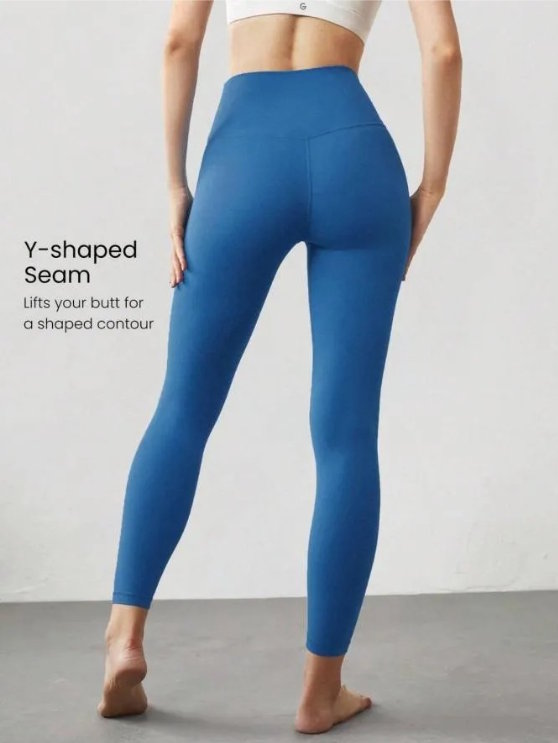
Before buying your next pair, look for a dense knit, strong fabric recovery, and a fit designed for movement. A high percentage of performance fibers with enough elasticity helps the leggings stretch without becoming transparent. Check for a supportive waistband that stays in place during squats and lunges, since slipping can increase strain across the seat. Flatlock or reinforced seams are useful because they reduce rubbing and help the garment hold shape in high-stress areas. Read product details carefully for features such as medium-to-high compression, four-way stretch, and moisture management. These details often indicate that the leggings were built for training. If possible, inspect the fabric in person by gently stretching it between your hands to see whether it thins dramatically.
Where to Find Reliable Squat-Proof Leggings
Reliable Squat Proof Leggings are easiest to find from retailers and product pages that give clear fabric details, fit guidance, and close-up images of the material. Prioritize listings that explain intended activity, compression level, rise, and care instructions rather than relying on vague style descriptions. Customer reviews can also help when they mention squats, lunges, opacity, or lower-body training specifically. Look for feedback that describes how the leggings perform under movement, not just how they feel when first tried on. If you shop in store, test the fabric under bright fitting-room light and move through a few controlled squats before buying. Whether online or in person, choose sellers that provide transparent sizing information and easy returns, so you can confirm real squat-proof performance at home without pressure.
Conclusion
Testing squat proof leggings before leg day is a simple step that protects your comfort and confidence. A quick check in good lighting, combined with squats, lunges, and hinge movements, tells you far more than standing still in front of a mirror. Focus on opacity, waistband stability, seam comfort, and fabric recovery after movement. When leggings pass those checks, you can train without distraction and stay focused on performance. Choosing dense, supportive fabric and the right size also improves your chances of getting lasting coverage. Do the test before every new pair enters your gym rotation, and leg day becomes one less thing to second-guess.

