

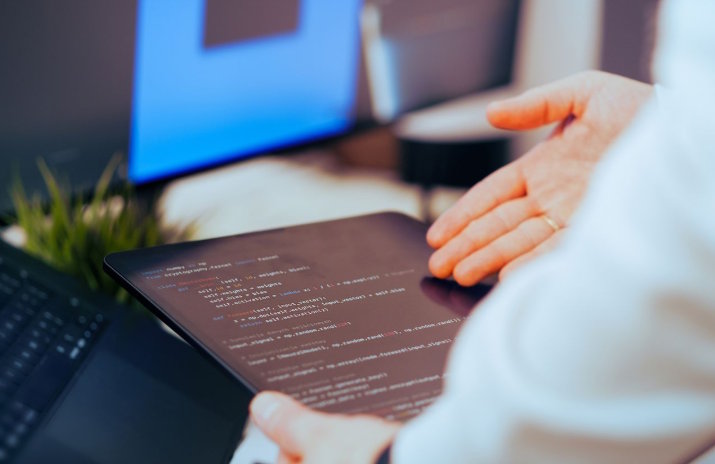
Artificial intelligence, software development, and precious metals may seem like unrelated topics at first glance. However, a closer look reveals that each one supports and influences the others in surprising ways, shaping the technologies and industries that define the modern economy.
The Hidden Link Between Digital Innovation and Physical Resources
People often think of AI as something that exists entirely in the digital world, powered by algorithms and cloud computing. In reality, every AI model runs on physical hardware, and that hardware depends on materials that come from the earth. This is one reason why discussions about a gold price forecast 2026 sometimes extend beyond traditional investing and into conversations about technology and industrial demand.
Although gold is not the primary metal used in computer chips, it plays an important role in electronic manufacturing because it resists corrosion and conducts electricity exceptionally well. Tiny amounts of gold appear in processors, connectors, memory modules, and networking equipment found inside servers that support AI applications.
As organizations invest billions in expanding data centers, demand grows not only for advanced processors but also for the many components that make those systems reliable. The relationship may not always be obvious, but digital infrastructure ultimately depends on physical materials.
Every Line of Code Depends on Hardware
Software developers usually focus on programming languages, frameworks, and system architecture. Yet none of those tools would matter without the computers that execute the code.
Whether someone is building a mobile application, designing cybersecurity software, or training a machine learning model, they rely on processors, memory, storage devices, and communication equipment. Those components contain a combination of metals selected for specific electrical and thermal properties.
Gold is especially valuable where stable electrical connections are essential. It does not oxidize easily, making it suitable for connectors that must perform consistently for years.
As software becomes more sophisticated, hardware requirements increase. AI-assisted coding tools, virtual environments, large-scale testing, and cloud deployment all require powerful infrastructure behind the scenes. In many ways, programmers are indirectly connected to global supply chains for metals without thinking about them during everyday work.
AI Is Increasing Demand for Computing Infrastructure
Artificial intelligence has expanded at an extraordinary pace over the past few years. Businesses now use AI to summarize documents, automate customer support, detect fraud, write software, generate images, and improve decision-making.
Each new AI service requires enormous computing resources. Companies continue building larger data centers filled with specialized processors capable of handling complex mathematical operations.
Constructing these facilities involves far more than purchasing graphics processors. Servers require networking equipment, cooling systems, storage arrays, backup power solutions, and thousands of individual electronic components.
Many of those components contain small amounts of precious metals because reliability is critical. A single failed connection inside a server can interrupt workloads serving millions of users.
As AI adoption spreads across healthcare, finance, education, manufacturing, and entertainment, investment in supporting infrastructure is likely to continue growing.
Precious Metals Are About More Than Investment
Gold is often associated with jewelry, central banks, and financial markets. While those areas remain important, industrial applications deserve attention as well.
Electronics manufacturing consumes significant quantities of precious metals every year because they offer characteristics that many alternatives cannot fully replace. Excellent conductivity, resistance to corrosion, and long-term durability make them valuable for sensitive electronic equipment.
Silver also plays a major role in electronics due to its exceptional conductivity, while platinum and palladium appear in specialized industrial applications.
Technology companies therefore pay attention not only to software innovation but also to supply chains that keep production moving. Shortages or disruptions affecting raw materials can eventually influence manufacturing costs and hardware availability.
The digital economy is built upon physical resources that often receive far less public attention than software itself.
A Future Built on Both Digital and Physical Foundations
Technology is often described as moving away from the physical world, yet the opposite is frequently true. Every breakthrough in artificial intelligence depends on factories, supply chains, engineering expertise, and carefully sourced materials before a single AI model begins generating results.
Likewise, advances in software development encourage demand for increasingly capable hardware, which strengthens the importance of reliable electronic components made with specialized materials.
Investors, developers, and technology enthusiasts sometimes focus on only one side of this equation. Looking at both provides a more complete understanding of how modern innovation actually works.
Artificial intelligence may operate through software, and coding may exist in digital environments, but neither would function without the physical infrastructure beneath them. Precious metals remain an essential part of that foundation, quietly supporting everything from cloud computing and AI research to the everyday applications millions of people rely on. As technology continues evolving, the relationship between digital innovation and valuable natural resources is likely to become even more important than many people realize.

