

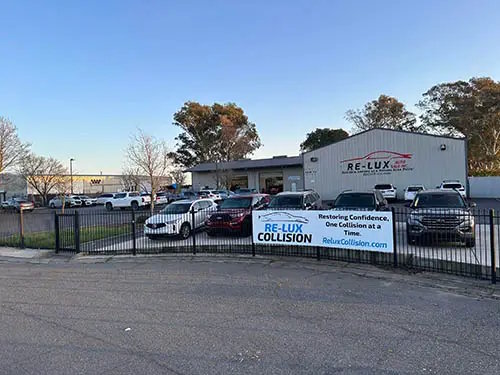
Most drivers treat collision repair, paint protection film, and wraps as three separate errands to be undertaken at three different shops. That split quietly adds weeks of downtime and leaves nobody fully accountable for the finished result. Choosing one auto body shop for the whole job removes the handoffs that stretch timelines and blur responsibility.
The fix is consolidation under a single, accountable roof. A full-service auto body shop that covers both the collision repair and the protection work keeps the vehicle in one place and one workflow from start to finish. That structure lets the same team control color matching and the order each layer goes on, which is where split shops most often stumble.
Splitting the Work across Shops Costs More than It Saves
Every Handoff between Shops Adds Delay and Risk: A car that moves from a collision shop to a separate film installer waits in each queue, doubling scheduling gaps and stretching a one-week job into several. Each transfer also creates a seam in accountability, since one shop can blame another when paint, panels, or protection do not line up correctly in the end.
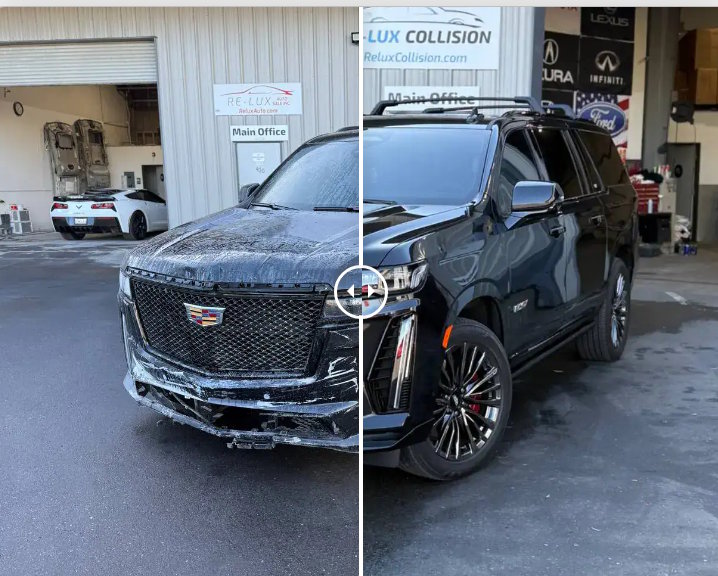
Out-of-Order Work Forces Expensive Redos: Protection film applied over paint that has not finished curing can trap solvents and lift early, which means stripping and redoing the work. Shops that follow OEM repair procedures sequence structural repair, refinishing, and protection in the right order. In practice, integrated shops regularly see cars from split jobs where a wrap went on too soon and had to come off.
One Accountable Team Delivers a Cleaner Result
A Single Point of Contact Removes the Finger-Pointing: When one shop owns the entire job, there is a single team answering for fit and finish rather than three vendors passing responsibility around. Drivers get one estimate and one point of contact instead of chasing separate businesses for updates. That clarity shortens the whole process and makes problems easier to resolve if they surface.
Consistent Prep Makes Color and Coverage Match: Panels repaired, primed, and painted by the same crew that applies the film share one standard for surface prep, so the finished car reads as a single, uniform job. Color matching holds because the refinish and the protection layer are planned together rather than guessed at by a second shop working from a different set of notes.
Weighing an Integrated Shop against Separate Specialists
Standalone Specialists Suit Narrow, One-Off Jobs: A dedicated wrap studio or glass shop can be the right call when the vehicle needs only that single service and no bodywork is involved. The trade-off appears once a job crosses services, because coordinating separate specialists puts scheduling and accountability back on the owner. For any repair that also touches paint or panels, the integrated route usually wins.
One Combined Estimate Usually Lands Lower than Three: Bundling several services at one auto body shop often costs less than three separate tickets, since shared prep and a single setup remove duplicated labor. Owners also avoid the hidden expense of lost days and the repeated drop-offs and rental extensions that pile up when a car tours several locations.
Long-Term Results Improve When One Shop Owns the Whole Job
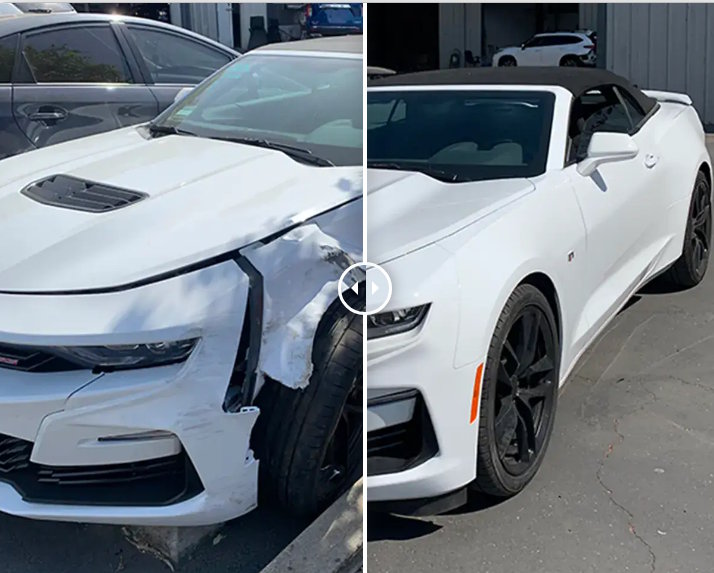
Correct Layering Protects the Repair for Years: A repair done in the right sequence holds up longer because each layer bonds to a properly prepared surface underneath. Proper corrosion protection applied before refinishing keeps repaired panels from rusting out from the inside, and film added after full curing adheres the way it should. Skipping or reordering those steps is what shortens a repair's life.
A Well-Sequenced Job Pays Back at Resale: A car repaired and protected correctly the first time avoids the slow drain of touch-ups and re-wraps that follow rushed multi-shop work. Owners who pick one auto body shop for the full job tend to keep a cleaner history and a better-looking vehicle, which supports a stronger position whenever the car goes up for sale.
Points to Check before Picking a Shop
Service Range and Sequencing Should Guide the Choice: A short checklist helps drivers judge whether an auto body shop can truly handle a combined job or only part of it. The goal is to confirm the shop controls every stage in-house, from structural repair through paint and protection, so the work stays under one roof. The points below cover what matters most.
- A shop that performs the repair and the protection work in-house avoids the handoffs that add downtime.
- Confirming the same team handles paint and protection helps color and finish stay consistent.
- One written estimate and timeline for the full job signals real coordination rather than loose referrals.
- A single warranty covering the combined work is easier to enforce than separate vendor guarantees.
- Rushed sequencing between shops is a common reason wraps and film fail early.
The Case for Keeping the Whole Job under One Roof
The pattern behind all of this is simple: one shop handling both the repair and the protection work removes the gaps where time and money leak out. Splitting the job across vendors invites delays and sequencing mistakes, plus a repair that ages faster than it should. Every handoff is another chance for the result to fall short.
Sorting out whether a single shop can cover a specific mix of repair and protection takes one honest conversation about the vehicle. The team at Relux Collision can review the job, map the correct sequence, and put together a single estimate. Reach out today to book an estimate and keep your repair under one accountable roof.

