

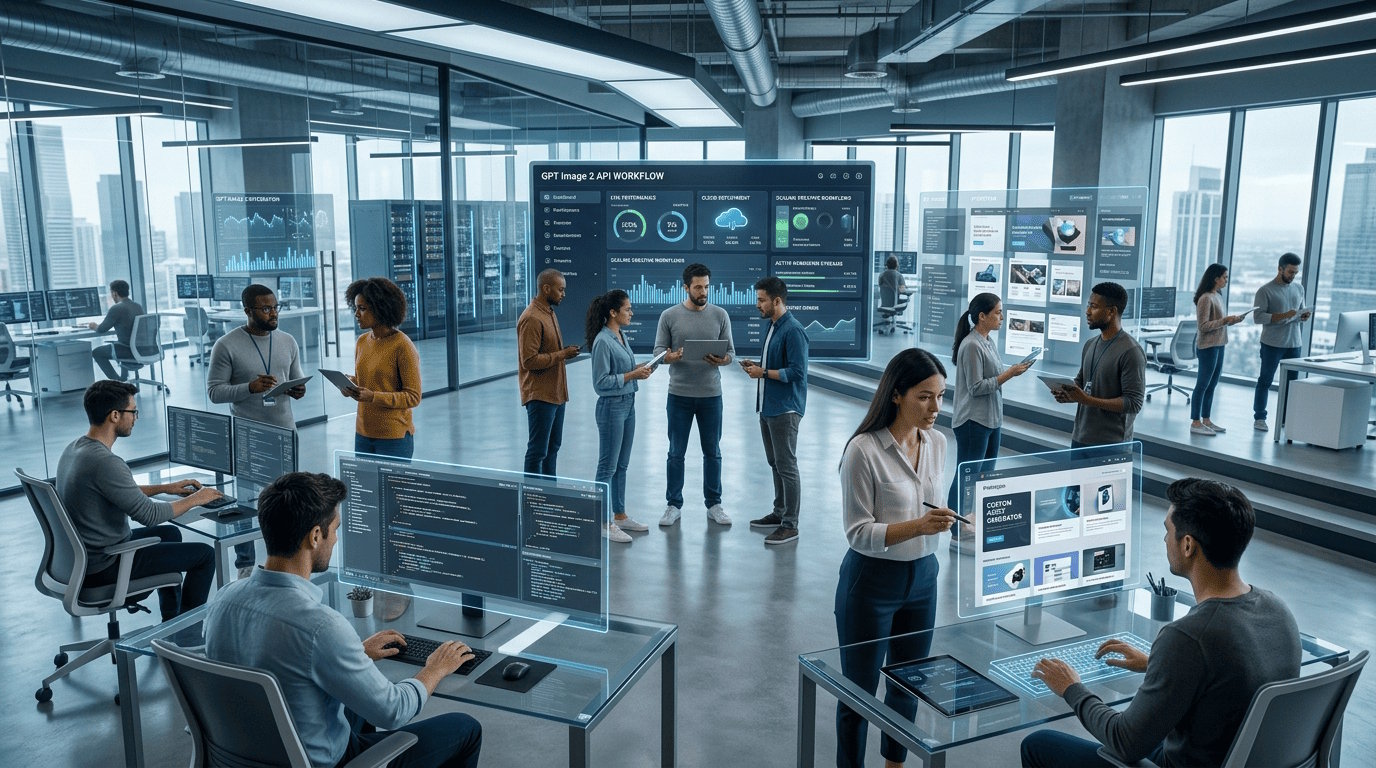
Artificial intelligence is becoming an essential part of modern software development, particularly for applications that rely on visual content. From design platforms and marketing solutions to ecommerce systems and productivity software, users increasingly expect applications to generate high quality images that improve creativity and enhance the overall user experience. As these expectations continue to grow, developers are looking for technologies that simplify image generation while fitting naturally into existing development workflows.
Building image generation features from scratch can be both time consuming and resource intensive. Developers often need to manage storage, rendering, asset libraries and multiple third party services while ensuring applications remain scalable and responsive. AI image generation offers a practical alternative by enabling software to create original visuals based on user input instead of relying solely on pre designed assets.
Among the latest Higgsfield advancements, GPT Image 2 is helping developers build applications that deliver dynamic and personalised visual experiences, while providing a unified creative workspace for experimenting with AI powered visual workflows. Whether users are creating marketing graphics, educational illustrations, product concepts, or creative assets, AI powered image generation allows applications to respond intelligently while reducing manual effort.
By bringing multiple creative models together within a unified workspace, developers can experiment with new visual workflows while accelerating the development of applications that depend on high quality image generation.
The Growing Demand for AI Powered Visual Features in Modern Applications
User expectations have changed significantly over the past few years. Modern applications are no longer expected to simply process information or manage data. They are increasingly expected to create content, personalise experiences and provide interactive features that adapt to individual users.
Visual content has become a major part of this transformation. Businesses build platforms that generate marketing graphics, educational illustrations, product mockups, social media assets and personalised content for customers. Instead of requiring users to leave an application to create images elsewhere, many developers now aim to include these capabilities directly within their own products.
This shift creates opportunities across many industries. Content management systems can generate featured images automatically, educational platforms can create learning illustrations, ecommerce applications can produce promotional graphics, and productivity tools can generate visual assets that support everyday workflows.
Developers are also focusing on creating seamless user experiences where AI powered features feel like a natural part of the application rather than separate tools. An image generation capability that works alongside existing workflows can improve efficiency while allowing users to create visual content without interrupting their work.
As demand for intelligent applications continues to increase, developers are placing greater emphasis on building software that combines automation with creative functionality. AI powered image generation supports this objective by making visual content creation faster, more flexible and easier to integrate into a wide range of applications.
Why Developers Are Exploring GPT Image 2 for Creative Workflows
Developers typically evaluate new technologies based on how effectively they solve practical development challenges. When building applications that require visual content, flexibility, scalability, reliability and ease of integration are often just as important as image quality.
GPT Image 2 is attracting attention because it supports a wide variety of creative workflows across different software products. Rather than limiting applications to static graphics or manually created assets, developers can introduce dynamic image generation that responds to user requests in real time. This creates more personalised user experiences while reducing the need to maintain large collections of pre designed visuals.
The technology also fits a broad range of development scenarios. Creative platforms, educational software, ecommerce systems, publishing tools, marketing applications and collaborative workspaces can all benefit from integrating AI generated visuals into their existing workflows.
As AI powered image generation continues to mature, developers are looking for environments that simplify experimentation and implementation. Higgsfield provides a unified workspace where developers can explore creative AI capabilities more efficiently while working with technologies such as GPT Image 2 to build intelligent visual applications.
As AI continues to evolve, integrating advanced image generation into software will allow developers to deliver richer user experiences while creating applications that remain flexible enough to support future innovations.
How GPT Image 2 Fits into Modern Application Development
Modern applications are expected to do more than deliver information or perform specific tasks. Users increasingly look for software that can generate content, personalise experiences and respond intelligently to their requests. This shift has encouraged developers to incorporate AI powered features that improve usability without making applications more complicated.
GPT Image 2 fits naturally into this evolving development landscape by enabling applications to generate original visuals directly within existing workflows. Rather than requiring users to switch between multiple platforms, developers can integrate image generation into the software they already use. This creates a smoother experience while reducing the number of steps needed to complete creative tasks.
The technology is flexible enough to support different types of applications. Content management systems can generate featured images automatically, ecommerce platforms can create product visuals, educational software can produce learning illustrations, and marketing platforms can build campaign assets based on user input. Instead of relying solely on manually designed graphics, developers can create applications that respond dynamically to changing user requirements.
Higgsfield provides developers with a creative environment that simplifies working with modern AI image technologies. By bringing multiple creative models together in one workspace, developers can experiment with different visual workflows while building applications that require scalable image generation capabilities.
Another important benefit is workflow efficiency. GPT Image 2 allows developers to integrate image generation into existing products without redesigning the entire user experience, making AI powered creativity a practical addition rather than a separate feature.
Practical Use Cases for GPT Image 2 in Creative Software
As AI adoption continues to grow, developers are finding new ways to incorporate intelligent image generation into software products across different industries. Rather than treating image creation as a standalone function, many applications now use AI generated visuals to improve productivity, user engagement and overall functionality.
Building AI Powered Design and Content Platforms
Creative platforms increasingly depend on AI to help users generate original visual content quickly. Graphic design tools, publishing platforms, presentation software and social media applications all benefit from allowing users to create customized images without requiring professional design experience.
Developers can use GPT Image 2 to support workflows where users generate illustrations, promotional graphics, concept art, blog visuals, or presentation assets directly inside the application. This reduces the need to download stock images or move between multiple design tools during the creative process.
Applications that include AI image generation also become more accessible to non designers. Small businesses, educators, marketers, and independent creators can produce high quality visuals while focusing on their ideas instead of technical design skills.
As demand for AI assisted creativity continues to expand, integrating intelligent image generation allows software platforms to deliver more value while supporting a wider variety of users.
Improving User Generated Visual Experiences
Many modern applications encourage users to create their own content. Community platforms, ecommerce marketplaces, learning systems, collaborative workspaces and productivity tools all rely on user generated material to keep their platforms active and engaging.
Adding AI image generation enhances these experiences by allowing users to create personalised visuals that match their projects or ideas. Whether producing illustrations for educational content, custom graphics for online stores, or creative assets for collaborative projects, users gain greater flexibility without needing advanced design knowledge.
Developers also benefit because AI generated visuals reduce dependence on large libraries of static assets. Instead of storing thousands of pre-designed graphics, applications can generate relevant images whenever users need them, making content creation more dynamic while simplifying asset management.
As user expectations continue to evolve, applications that combine intelligent automation with creative flexibility are better positioned to deliver engaging digital experiences while supporting a broad range of creative workflows.
Supporting Faster Content Creation Workflows
Many modern applications rely on visual content to improve user engagement. Marketing platforms, content management systems, ecommerce stores and productivity tools all require a steady flow of original images. Creating these assets manually can slow development and reduce efficiency.
AI image generation helps simplify this process by allowing applications to produce visuals on demand. Instead of relying on large collections of pre-designed graphics, developers can enable users to generate images directly within their existing workflows.
Higgsfield provides a unified creative workspace that supports developers building AI powered visual experiences. GPT Image 2 helps applications generate high quality images that make content creation faster while reducing manual effort.
Enabling More Personalised Creative Applications
Personalisation has become an essential feature of modern software. Users increasingly expect applications to generate content that reflects their individual needs rather than delivering identical experiences to everyone.
GPT Image 2 allows developers to create applications capable of producing customized visuals based on user prompts, branding requirements, or project goals. This flexibility benefits creative platforms, ecommerce solutions, educational software and publishing tools where unique visual content improves the overall user experience.
Dynamic image generation also reduces dependence on static asset libraries while giving users greater creative freedom inside the application.
Best Practices for Integrating AI Image Generation
Successfully integrating AI image generation requires more than adding a new feature. Developers should ensure that image creation fits naturally into existing workflows and improves the overall user experience.
When evaluating different solutions, factors such as scalability, response time, image quality, API flexibility and ease of implementation should all be considered. Developers should also provide users with options to refine prompts, regenerate results, and customise generated images to maintain creative control.
By following these practices, development teams can build AI powered applications that remain efficient, scalable and capable of delivering engaging visual experiences while supporting future product growth.
Choosing the Right Platform for AI Image Development
As AI image generation becomes a standard feature in modern software, selecting the right platform is an important decision for development teams. Beyond image quality, developers should evaluate how easily a solution fits into existing workflows and whether it can support long term product growth.
Important considerations include API flexibility, scalability, response performance, customisation options, documentation and compatibility with different development environments. A platform that allows developers to integrate AI capabilities efficiently can reduce development time while making future feature expansion easier.
Higgsfield AI Creative Suite provides a unified environment for exploring multiple creative AI models within a single workspace. GPT Image 2 supports developers by enabling high quality image generation that can be integrated into creative applications, helping teams deliver richer visual experiences while simplifying development workflows.
The Future of AI Driven Creative Development
AI image generation is quickly becoming a core capability across modern software products. As user expectations continue to evolve, applications will increasingly rely on intelligent visual generation to support content creation, design, education, ecommerce, marketing, and collaboration.
Developers are also moving beyond simple image generation toward building applications that offer more personalised and interactive experiences. Instead of producing identical outputs for every user, future applications will generate visuals that adapt to individual preferences, project requirements and creative goals.
As these technologies continue to mature, AI powered image generation will become a natural part of software development rather than an optional feature. Developers who begin exploring these capabilities today will be better prepared to build the next generation of intelligent creative applications.
Final Thoughts
Creative applications are evolving beyond traditional design tools by incorporating artificial intelligence into everyday development workflows. GPT Image 2 gives developers new opportunities to build software that generates original visual content, improves user engagement and supports a wide variety of creative use cases without relying entirely on manually created assets.
As more businesses adopt AI powered products, integrating intelligent image generation will become increasingly valuable for teams building modern web applications, SaaS platforms and digital content solutions.
Used thoughtfully, Higgsfield helps simplify creative AI workflows by bringing multiple models into a single workspace where developers can experiment and build more efficiently. By integrating GPT Image 2 into modern applications, development teams can deliver scalable, intelligent visual experiences while preparing their products for the future of AI driven software development.

