

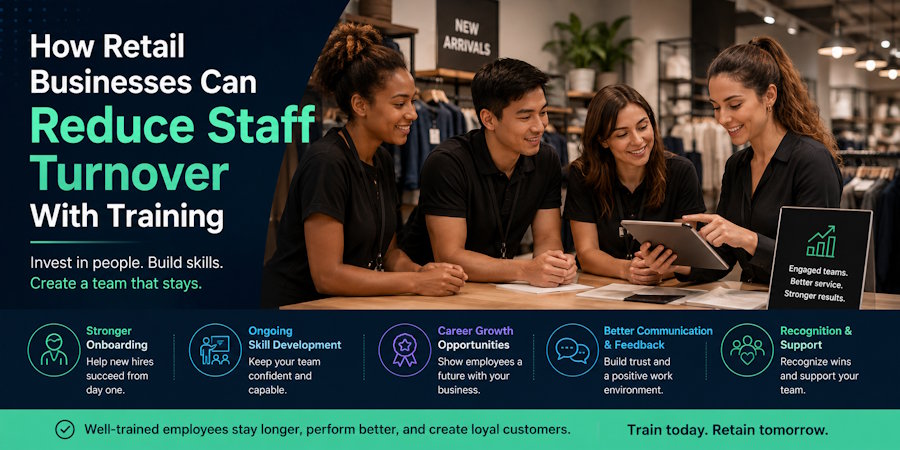
Retail turnover often starts before an employee decides to leave. Confusing expectations, rushed instruction, weak coaching, and limited growth cues can quickly wear people down. Wages matter, yet daily support strongly affects whether staff remain. Well-planned training gives employees steadier footing, reduces avoidable stress, and helps managers address issues before frustration leads to resignation. Stores provide better service when learning is treated as part of work.
Build Early Confidence
The first shifts shape memory, behavior, and trust. Clear lessons on safety, service, product handling, and store routines reduce cognitive overload during busy periods. Many retailers use retail LMS software to keep instruction consistent across locations and to enable employees to learn in manageable blocks. Early clarity helps new staff feel capable before pressure turns into doubt.
Shorten Onboarding
Long onboarding can feel tiring when information arrives without order. Retailers should divide core tasks into brief lessons tied to real duties. One module can cover returns, while another explains stock checks or till steps. Managers then see where help is needed. Faster competence reduces anxiety and gives new hires a practical reason to stay.
Teach Real Store Moments
Training should reflect the floor, not an ideal shift. Employees need practice with angry shoppers, missing items, price disputes, long queues, and policy questions. Scenario work helps staff choose words before tension rises. That preparation supports emotional control during customer conflict. Lower stress can protect attendance, morale, and retention.
Create Manager Consistency
Managers often decide whether a store feels safe or draining. Training for leaders should cover scheduling fairness, clear correction, respectful tone, and timely recognition. Mixed expectations cause frustration, especially across branches. Consistent coaching gives employees fewer surprises and more trust in decisions. People stay longer when supervision feels predictable and fair.
Offer Skill Paths
Retail roles should show visible progression. A cashier, stock associate, visual merchandiser, supervisor, and assistant manager each need clear skill markers. Staff should know which abilities open the next step. Growth paths turn effort into visible movement. That matters for employees who want more responsibility but need proof that advancement is possible.
Product Knowledge
Product training reduces guesswork on the shelf. Better answers improve customer trust and protect staff from avoidable embarrassment.
Service Habits
Service habits need repetition. Greeting, listening, problem-solving, and closing a conversation become steadier with guided practice.
Use Peer Learning
Experienced employees carry practical knowledge that rarely appears in manuals. Short demonstrations, shift notes, and team huddles can preserve those lessons. Peer guidance also builds connection, which matters for retention. New staff are less likely to leave when they know who to turn to for help and feel accepted during the early weeks.
Track Warning Signs
Training data can reveal strain before someone resigns. Missed lessons, repeated errors, or stalled progress may show low confidence, unclear tasks, or schedule pressure. Managers should treat those signals as prompts for support. A short check-in can resolve a small issue before it becomes a risk of resignation.
Connect Learning To Recognition
Recognition should follow observable progress. When employees complete safety lessons, master product areas, coach peers, or improve service scores, leaders should name that effort. Small rewards, preferred responsibilities, or public thanks can make learning feel worthwhile. Staff who feel noticed often show stronger commitment to the store.
Keep Lessons Current
Retail procedures change through new products, promotions, systems, and policies. Old training creates mistakes, delays, and unnecessary stress. Businesses should review content on a fixed schedule and remove outdated steps. Updates need to be short, searchable, and easy to apply. Current guidance protects employees from guesswork during demanding shifts.
Measure Retention Impact
Training should be checked against outcomes. Useful measures include turnover rate, time to competence, customer feedback, safety incidents, absence patterns, and internal promotions. These numbers show whether learning reduces pressure and builds capability. Evidence also helps leaders address weak areas rather than relying on assumptions or informal impressions.
Conclusion
Reducing retail turnover takes more than hiring faster. Employees remain when work feels clear, managers respond fairly, and growth appears reachable. Training creates those conditions through better onboarding, realistic practice, steady coaching, and visible skill paths. When learning supports daily pressure rather than adding to it, stores preserve service quality and staff confidence. A stronger training culture helps people see a future in the work they already do.

