

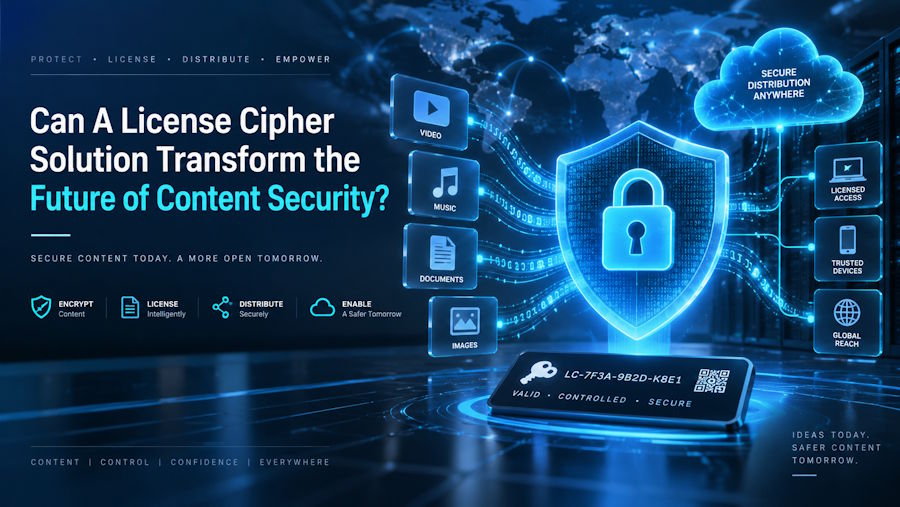
The digital content industry continues to expand as businesses deliver movies, music, educational resources, software, and premium media through online platforms. While digital distribution offers greater convenience and accessibility, it also increases exposure to unauthorized access and misuse. Strong security has become essential for protecting valuable digital assets, preserving intellectual property, and ensuring trusted user experiences. Implementing a license cipher solution helps organizations strengthen access control and protect licensed content from unauthorized use. As organizations invest in high quality digital content, they also need protection strategies that evolve alongside increasingly sophisticated cyber threats.
The growing demand for seamless digital access makes it important to secure content without affecting the user experience. Businesses that implement advanced protection measures are better equipped to reduce risks associated with unauthorized distribution and data misuse. A proactive security approach also supports long term business sustainability by safeguarding valuable digital investments. As technology continues to evolve, continuous improvement in content protection remains essential for maintaining trust and operational resilience.
Digital Distribution Demands Better Protection
Modern audiences expect instant access to digital content across smartphones, smart televisions, tablets, laptops, and connected devices. This convenience has transformed how organizations deliver services and engage with users.
However, every digital distribution channel introduces new security considerations. Unauthorized copying, credential misuse, illegal sharing, and content manipulation can reduce the value of premium digital assets while affecting business sustainability.
Organizations that establish comprehensive protection frameworks create stronger foundations for long term digital success.
Understanding Content Ownership Risks
Digital content often represents years of creative effort, technical expertise, licensing agreements, and financial investment. Every unauthorized copy reduces the ability of creators and businesses to benefit from their original work.
Threats may originate from compromised accounts, insecure applications, weak delivery systems, or unauthorized redistribution networks. As cybercriminals adopt increasingly advanced techniques, organizations must strengthen protection across the complete content lifecycle.
Understanding these risks allows businesses to prioritize security investments that address practical challenges rather than isolated incidents.
Building Security Into Distribution Systems
Protecting digital assets requires more than securing storage environments. Content must remain protected throughout preparation, transmission, playback, and user access.
Encryption, authentication, secure communication channels, and controlled access management all contribute to safer content distribution. These technologies reduce opportunities for unauthorized viewing while maintaining convenient experiences for legitimate users.
Embedding security into distribution systems helps organizations improve operational reliability without disrupting audience engagement.
License Based Protection
Managing digital access effectively requires reliable methods for verifying who can use protected content and under what conditions. License management allows organizations to define usage permissions that align with business policies.
A modern license cipher solution strengthens this process by securing license information through advanced encryption and controlled authentication mechanisms. This helps prevent unauthorized modification of licensing data while supporting trusted content delivery.
By protecting licenses alongside digital assets, organizations reduce opportunities for misuse and improve overall security throughout the viewing experience.
Protecting Intellectual Property
Creative content remains one of the most valuable assets for publishers, broadcasters, educational organizations, and software providers. Intellectual property protection supports continued innovation by preserving the value of original work.
Reverse engineering, illegal redistribution, and unauthorized duplication threaten both revenue and brand reputation. Strong protective technologies discourage these activities while maintaining legitimate customer access.
Organizations that protect intellectual property effectively also strengthen relationships with partners, distributors, and content creators.
Strengthening Access Control
Access management remains an essential component of digital protection. Every user, device, and application requesting content should be verified before receiving access. Strong security practices support this process by ensuring only authorized users can interact with protected digital assets.
Authentication systems, device validation, encrypted credentials, and user activity monitoring help providers detect unusual behavior before significant security incidents occur.
Well designed access control frameworks improve visibility into platform activity while reducing opportunities for unauthorized access. These measures also help organizations maintain better compliance with internal security policies.
Continuous Monitoring Supports Long Term Security
Digital threats constantly evolve as attackers develop new techniques to bypass traditional protections. Continuous monitoring helps organizations identify suspicious activities before they become larger operational problems.
Security teams benefit from real time visibility into content access patterns, authentication events, system behavior, and emerging attack attempts. Early detection supports faster investigation and more effective incident response.
Regular monitoring also provides valuable insights that guide future security improvements and technology investments.
Balancing User Experience With Protection
Security should enhance digital services rather than create unnecessary barriers for legitimate users. Customers expect reliable access to purchased or licensed content without complicated verification processes.
Organizations achieve better outcomes when protective technologies, including a license cipher solution, operate efficiently in the background while maintaining smooth playback and convenient authentication.
Balancing usability with protection encourages customer satisfaction while supporting responsible content management practices. Reliable user experiences strengthen trust and encourage continued engagement with digital platforms.
Preparing For The Future of Digital Content
Emerging technologies such as artificial intelligence, cloud streaming, interactive media, and connected devices continue reshaping digital entertainment and online services. These innovations create exciting opportunities alongside new security challenges.
Organizations that invest in adaptable security strategies remain better prepared to protect valuable assets as technologies evolve. Regular updates, continuous assessments, employee awareness, and proactive planning all contribute to long term resilience.
Future ready security frameworks enable innovation without compromising protection. They also provide organizations with the flexibility to adapt to emerging technologies while maintaining consistent control over valuable digital content.
Conclusion
Protecting digital assets requires a combination of secure distribution, strong authentication, continuous monitoring, access management, and responsible licensing practices. Organizations that integrate these capabilities create reliable environments where creators, partners, and audiences can interact with confidence.
Protecting digital content requires more than preventing unauthorized access. It involves creating a secure ecosystem where creators, distributors, and audiences can interact with confidence. As digital delivery models continue to evolve, organizations that invest in advanced licensing technologies, encryption, and continuous protection will be better equipped to safeguard their assets while supporting future innovation. For businesses looking to strengthen their digital content protection strategy, Doverunner offers solutions designed to address the evolving demands of secure content delivery.

