

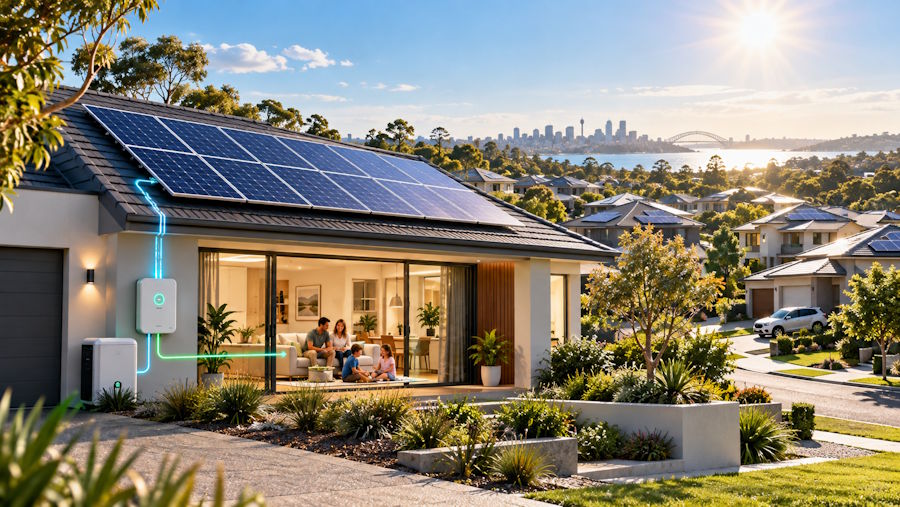
Solar energy continues to emerge as a vital component in the global shift towards sustainable and renewable sources of power. Its ability to convert sunlight into usable electricity presents an eco-friendly alternative to conventional fossil fuels. For homeowners and businesses alike, understanding the full scope of solar energy solutions is essential in making informed decisions that benefit both the environment and long-term energy costs.
RenewCo Solar, a trusted provider in the Australian renewable energy sector, offers expert guidance and installation services tailored to meet diverse energy needs. With a dedicated team of solar installers in Newcastle, RenewCo Solar ensures high-quality service and efficient solar panel system setup for the local community.
Understanding Solar Energy Basics
Solar energy is harnessed through photovoltaic (PV) panels that capture sunlight and convert it into electricity. These panels are typically installed on rooftops or in open spaces with optimal sun exposure. The photovoltaic cells within the panels generate direct current (DC) electricity, which is then converted to alternating current (AC) by an inverter for use in homes and businesses.
The efficiency of the solar panels depends on factors such as the angle of installation, the amount of sunlight, shading, and panel technology. Modern solar panels offer improved efficiency and durability, making solar energy a practical and reliable investment.
Types of Solar Energy Systems
Grid-Connected Systems
Grid-connected solar systems are the most common and involve connecting the solar panel array to the existing electrical grid. When the system produces surplus energy, it can be fed back into the grid, often earning the owner credits through feed-in tariff programs. During periods of low sunlight, electricity can be drawn from the grid to ensure uninterrupted power supply.
Off-Grid Systems
Off-grid solar systems are independent from the electrical grid and typically utilise battery storage to maintain a consistent energy supply. These systems are ideal for remote locations where grid access is limited or unavailable. They require careful planning to balance energy production with storage capacity.
Hybrid Systems
Hybrid solar setups combine the benefits of grid-connected and off-grid systems. They incorporate battery storage alongside grid connection, allowing users to store excess electricity for later use and maintain grid backup for reliability. This provides greater energy autonomy and resilience.
Benefits of Solar Energy
Solar energy offers numerous advantages which have driven its rapid adoption worldwide. Firstly, it significantly reduces electricity bills by generating free energy from the sun once the initial installation is in place. Secondly, it contributes to reducing greenhouse gas emissions, thereby mitigating climate change.
Solar power systems typically require minimal maintenance and have lifespans exceeding twenty-five years. They also increase property value and offer energy security by providing electricity during grid outages or price fluctuations.
Considerations Before Installing Solar Panels
Before committing to a solar energy system, several factors must be evaluated to maximise effectiveness and return on investment. These include assessing the solar potential of the property, roof condition and orientation, shading issues, and expected energy consumption patterns.
Financial considerations such as upfront costs, available government incentives, and financing options also play a critical role. Consulting with local solar experts can provide customised recommendations and detailed cost-benefit analyses.
The Installation Process with RenewCo Solar
RenewCo Solar offers comprehensive services starting from initial consultation and site assessment to system design, installation, and ongoing support. The company's team of certified solar installers in Newcastle ensures that each system is tailored to client requirements and complies with local regulations and standards.
Installation typically involves mounting solar panels on the roof, wiring the system to an inverter, and integrating it with the property’s electrical infrastructure. Post-installation system testing and commissioning ensure optimal performance from day one.
Maintenance and Monitoring
While solar systems demand little maintenance, periodic cleaning of panels to remove dust and debris can sustain efficiency. Additionally, monitoring systems provide real-time data on energy production and system health, allowing for prompt detection of issues.
RenewCo Solar supports long-term system monitoring and maintenance to safeguard the performance and durability of solar installations.
Future Trends in Solar Energy
Advancements in solar technology continue to enhance panel efficiency, energy storage solutions, and integration with smart home systems. Emerging innovations such as bifacial panels, perovskite cells, and improved lithium-ion batteries promise to further decrease costs and increase the accessibility of solar power.
The evolution of energy management software and increased grid interactivity are also facilitating smarter and more flexible solar energy utilisation.
Conclusion
Harnessing solar energy represents a significant step toward a sustainable future. By adopting solar solutions, individuals and organisations can reduce their environmental impact while enjoying financial benefits. RenewCo Solar’s expert services, backed by experienced local solar installers in Newcastle, make the transition to solar power efficient and effective.
Exploring solar energy options with professional guidance is advisable to ensure optimised system design, installation, and ongoing support that aligns with specific energy needs and budget considerations.

