


In the ever-evolving landscape of audio equipment, making the decision to buy speakers involves a blend of personal taste, technological understanding, and budget considerations. The journey to find the ideal sound system marries both art and science, where the ultimate goal is to enhance your auditory experience, whether it be for music, films, or games. Understanding your needs is the first step when you set out to buy speakers, and it stems from recognising what role they will play.
Understanding Different Types of Speakers
Floorstanding Speakers
Floorstanding speakers, also known as tower speakers, are renowned for their ability to produce full-range sound. They are ideal for home theatre systems where space is not a constraint. These large units are designed to stand on the floor, serving as anchors in a traditional multi-channel system setup. Perfect for audiophiles looking for robust sound quality, these speakers handle a variety of music genres with ease. Their larger cabinet can house multiple drivers, covering extensive frequencies from deep bass to high treble, offering an immersive listening experience.
Bookshelf Speakers
For those who require a more compact solution, bookshelf speakers offer a versatile alternative. These are smaller than tower speakers and can easily fit on shelves and desks. Although they might lack the bass extension of floorstanders, their clarity and accuracy make them a popular choice for smaller spaces. They are often used as part of a stereo system or as surround speakers in home theatre setups. When appropriately positioned, they provide detailed sound without the intrusion of bulky equipment.
Wireless vs Wired Speakers
Wired Speakers
Wired speakers are traditionally favoured for their reliable connection and superior sound quality. The direct connection ensures a stable transmission of audio signals, minimising the risk of interference and loss of quality. Wired systems often provide more extensive compatibility with high-end amplifiers and receivers, making them a staple in many home audio installations.
Wireless Speakers
The advent of wireless technology has introduced a convenient alternative to the conventional setup. Wireless speakers no longer tether you to a fixed position, providing flexibility in arrangement and connectivity. They are powered through Bluetooth, Wi-Fi, or proprietary wireless technologies, allowing seamless integration with smart devices and multi-room systems. However, while they offer significant convenience, potential interference and compression during transmission might slightly impact audio quality compared to wired counterparts.
Features to Consider
Driver Configuration
Drivers are the essential components within a speaker that produce sound from electrical audio signals. Common types include woofers, mid-range drivers, and tweeters. The alignment and quality of these drivers are crucial in determining the overall sound profile of your speakers.
Sensitivity and Impedance
A speaker's sensitivity rating measures how well it converts power into sound. Higher sensitivity means louder sound without requiring excessive power. Impedance affects how much load a speaker presents to an amplifier. Matching the correct impedance with your system ensures optimal performance without risking damage to your equipment.
Frequency Response
Frequency response indicates the range of sound a speaker can produce, measured in hertz (Hz). A wider range often equates to better sound quality, capturing the nuances from the deepest bass to the highest treble. Understanding this can aid in selecting speakers that fit the type of audio most important to your enjoyment, be it rich bass for hip-hop or sharp high notes for classical music.
Choosing Based on Usage
Home Theatre
For a cinematic experience, consider a surround sound setup incorporating a combination of floorstanding, satellite, and centre channel speakers. The aim is to create an enveloping sound field where audio dynamically moves around the listener, mirroring the on-screen action.
Music Listening
Music enthusiasts should prioritise speakers that accurately reproduce their favourite recordings. A pair of high-quality floorstanding or bookshelf speakers driven by an integrated amplifier can deliver a satisfying stereo experience, allowing for detailed soundstage and instrument separation.
Portability and Versatility
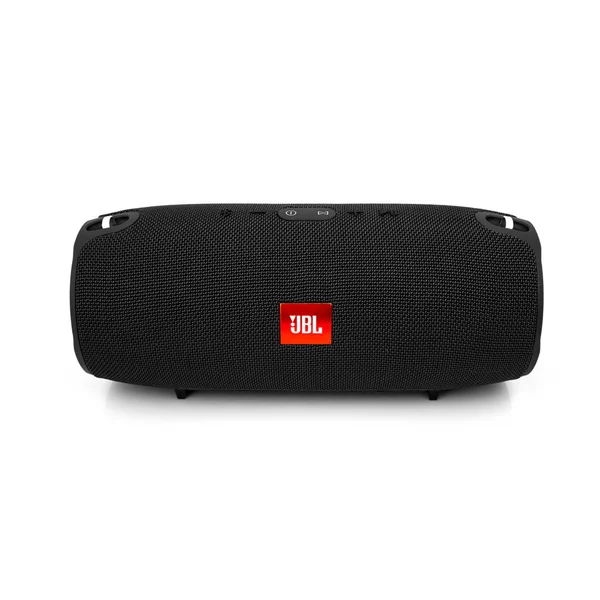
For those prioritising portability, wireless speakers are an excellent choice. Many models are equipped with rechargeable batteries and ruggedised exteriors, making them ideal for outdoor use or room-to-room versatility. Bluetooth speakers, in particular, offer hassle-free connectivity with smartphones and tablets for on-the-go listening.
Final Thoughts on Speaker Selection
Selecting the right speakers is a personal journey where needs and preferences come to the fore. Whether you're drawn to the precision of bookshelf speakers, the power of floorstanding models, or the convenience of wireless options, each choice involves discerning the right mix of features and specifications that align with your intended use and lifestyle.
Aligning your budget with the features that offer substantive improvements in sound quality is crucial. Audiophile-grade systems, though expensive, might offer the fidelity that a music purist would appreciate, whereas casual listeners might find sufficient satisfaction in more budget-friendly options. The act of listening is ultimately subjective, and the ideal speaker is one that resonates with your expectations and enjoyment of sound.

