

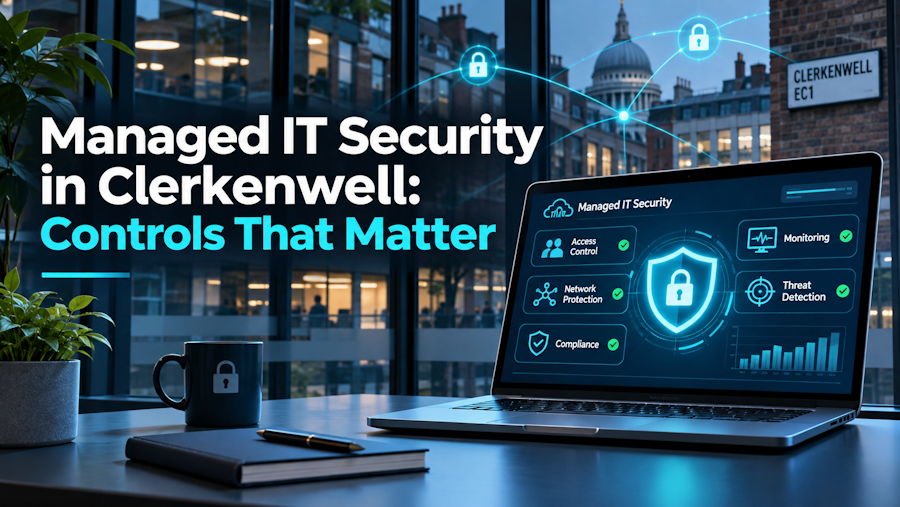
Cybersecurity is not a single product installed once and forgotten. Organisations need coordinated controls across identity, devices, networks, backups, and staff processes. Clerkenwell businesses working with customer data, design files, or cloud services can improve resilience by understanding their most important assets and reducing common paths to compromise.
When evaluating managed IT services Clerkenwell, organisations should consider the reliability of their core systems, the security of user accounts, and how quickly support can identify and resolve incidents. A documented service model makes responsibilities easier to understand.
The Local Business Context
The first priorities often include multifactor authentication, timely patching, device management, and least-privilege access. A security provider should also help organisations understand which systems are business-critical and what evidence will show whether controls are operating as intended. Effective security work involves ongoing review rather than relying entirely on automated alerts.
A Practical Workplace Example
A staff member receives a convincing email asking them to approve an unexpected login. They report it rather than approving the request. The IT team reviews sign-in activity, checks whether credentials may be exposed, and follows a documented incident process. This combination of awareness and technical controls can prevent a suspicious message from becoming a larger compromise.
Map the Technology Estate
Begin with an inventory of laptops, desktops, servers, network equipment, cloud services, and critical software. Record system owners, suppliers, and renewal dates. An accurate inventory makes troubleshooting more efficient and helps identify unsupported devices or subscriptions that are no longer needed. Without this visibility, teams can overlook important dependencies during changes or incidents.
Define Support Priorities
Not every ticket has the same impact. A broken mouse affects one user, while a network outage may stop an entire office. A support agreement should explain severity levels, contact methods, response targets, and escalation procedures. Response time is not the same as resolution time, so expectations should be explicit. Clear priorities help teams focus on the most disruptive problems first.
Strengthen Identity Security
User accounts are a common entry point for attackers. Multifactor authentication, strong unique credentials, and carefully managed permissions can reduce risk. Access should be reviewed when employees change roles or leave. Shared passwords and untracked administrator accounts make incidents harder to investigate. An identity process should balance security with the practical needs of staff.
Keep Devices Updated
Operating systems, browsers, and business applications require security updates. Patch management should identify which devices are affected, test changes where necessary, and verify that deployment succeeded. Unsupported software creates avoidable exposure. A clear maintenance schedule reduces the likelihood that urgent patches will be overlooked while preserving business continuity.
Protect Endpoints
Laptops and workstations should use appropriate security controls, including disk encryption, malware protection, and centrally managed settings where feasible. Lost devices can expose sensitive information if protections are absent. Organisations should also define how personal devices may access work systems. Technical controls are most effective when staff understand the reasons behind them.
Make Backups Recoverable
A backup is valuable only if information can be restored when needed. Organisations should define what data is protected, how frequently copies are taken, and how long recovery may take. Backup copies should be protected from the same threats as production systems. Periodic restoration tests reveal problems that routine success notifications can miss.
Plan for Connectivity Problems
Internet access, wireless networks, and remote connections can become single points of failure. Document the network layout and the services that depend on it. Where downtime would be especially costly, consider appropriate resilience measures. Staff should know whom to contact and what work can continue safely during an outage. A realistic continuity plan is more useful than an untested promise.
Support Hybrid Working
Remote staff need secure access to the same essential systems as office colleagues. Device management, authentication, and clear communication channels can reduce inconsistent setups. Helpdesk processes should account for employees working outside standard office locations. Troubleshooting steps must protect confidentiality rather than encouraging staff to share credentials or sensitive files through insecure channels.
Document Changes
Configuration changes should be recorded, especially when they affect access, network settings, or important applications. A simple change process can include the reason, expected impact, approval, and rollback plan. Documentation makes it easier to recover from mistakes and reduces dependence on individual technicians. Not every minor adjustment requires bureaucracy, but significant changes should be traceable.
Monitor Meaningful Signals
Monitoring can identify failing storage, unusual authentication activity, or unavailable services before users submit complaints. Alerts need sensible thresholds and clear ownership. Too many low-value notifications can obscure serious events. Teams should review recurring alerts and use them to improve underlying systems rather than merely closing tickets.
Prepare for Security Incidents
An incident plan should explain how staff report suspicious activity, who coordinates the response, and when external expertise is required. Early actions may include preserving evidence, isolating affected systems, and reviewing account access. Decisions should follow an established process rather than improvised reactions. Practising realistic scenarios can expose gaps before a genuine incident occurs.
Train Staff Practically
Short, relevant guidance can help employees recognise phishing, protect accounts, and report mistakes quickly. Training should focus on everyday situations rather than technical jargon alone. A supportive reporting culture is important because delays and concealment can make security incidents worse. Awareness complements technical protections; it does not replace them.
Review Supplier Responsibilities
Cloud platforms, internet providers, and managed service companies may each control different parts of an environment. Contracts should make responsibilities, access arrangements, and escalation paths clear. Organisations should know how data can be retrieved if a supplier relationship ends. This reduces operational dependence and helps avoid confusion during outages.
Measure Service Quality
Useful measures include recurring incidents, ticket trends, unresolved risks, patch coverage, and recovery test results. A monthly report should explain what changed and what actions are recommended. Numbers alone are not enough: a small set of meaningful measures can guide investment and improvement. Reviews should connect technical performance to business needs.
Budget for Lifecycle Costs
Hardware and software have ongoing costs beyond the original purchase. Licensing, warranties, replacements, and security maintenance should be planned. A lifecycle budget reduces last-minute decisions when devices fail or systems become unsupported. Prioritising by business risk helps organisations spend proportionately instead of replacing everything at once.
Improve Through Regular Reviews
IT requirements change as teams expand, software evolves, and threats develop. Periodic reviews should revisit system inventories, user access, backup performance, and support processes. A managed service arrangement is most valuable when it prevents recurring problems and helps leaders make informed decisions. Continuous improvement does not require constant major projects; consistent small changes can matter.
Choosing a Suitable Provider
When comparing IT security Clerkenwell, ask about service scope, escalation, security controls, reporting, and responsibility for third-party systems. A provider should explain what is included and where additional expertise or costs may be needed. Transparent arrangements help businesses avoid gaps in support.
Conclusion
A mature security programme is measurable, proportionate, and regularly tested. Businesses should understand the protections they receive, the risks that remain, and the actions required when an incident occurs.

