

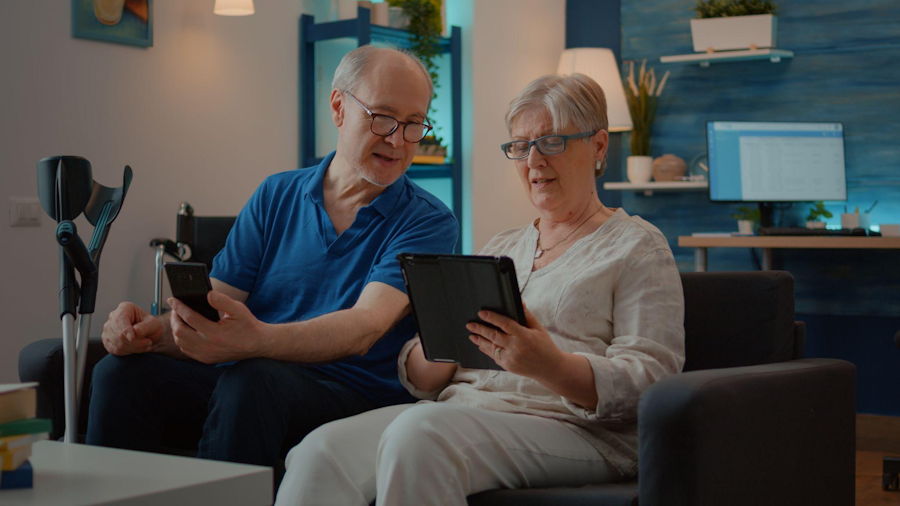
Past age 70, getting to the doctor's office can be the main thing standing between a person and good health. There is the drive, the parking, and the long wait. Then comes the worry about forgetting a question once the visit starts. For many older people, those small hurdles add up to skipped care.
Digital tools are now easing those hurdles without much fanfare. Video visits, home blood pressure cuffs, shared records, and patient portals now fill the gaps between office visits. Some tools help a lot. Others add stress or raise privacy questions. This guide shows what is changing and how to tell if a practice keeps people at the center.
What Is Changing in Senior Primary Care Right Now
Technology is moving primary care for older adults away from a few rushed visits each year. In their place comes steady, connected care in between. Physicians remain in charge, and the relationship with the person being treated is still the foundation of good care. What changes is how often the care team hears from the patient.
Five shifts drive most of this change:
- Virtual visits by video or phone for follow-ups and quick check-ins
- Remote tracking of blood pressure, blood sugar, weight, and heart rhythm
- Connected records that let hospitals, specialists, and the clinic share notes
- Automatic reminders for screenings, vaccines, and wellness visits
- Easier contact through patient portals, secure messages, and phone lines
These shifts matter most for seniors because their care is rarely simple. Many live with several chronic conditions, take many medicines, and rely on family for rides. Seniors who search for a general practitioner near me often find practices that offer clinic visits and video check-ins through one care team. That mix means fewer missed follow-ups and fewer needless trips.
Strong geriatric primary care has always meant caring for the whole person. The table shows how technology supports that goal.
| Care Task | Traditional Approach | Technology Approach |
|---|---|---|
| Routine follow-ups | Drive to the clinic | Video or phone check-ins |
| Blood pressure tracking | Paper log brought to visits | Home readings sent to the team |
| Medicine management | Pill box and memory | Smart dispensers and refill alerts |
| Specialist referrals | Faxes and repeat forms | Shared records and tracked referrals |
Telehealth and Virtual Visits That Reach Seniors at Home
Situations Suited to Remote Appointments
Virtual visits handle many routine needs. A primary care physician can review medicines, check in after a hospital stay, adjust a diabetes plan, or go over lab results. Phone-only visits help people without video or strong internet. Medicare telehealth rules have changed often, so confirm coverage with the plan or practice.
Federal advice for older adults stresses preparing patients and involving caregivers before a virtual visit begins. Some simple preparation makes the visit smoother:
- Loud speakers and a big display on a tablet or laptop
- A quiet, well-lit room and a written list of questions
- Every pill bottle within reach, and a family member to take notes
Cases That Call for Office Appointments
Physical exams, balance checks, and new or urgent symptoms usually call for an office visit. Families weighing telehealth for seniors in-home care often choose a middle path. The doctor joins by video while a visiting nurse takes vital signs at home.
Remote Monitoring and Medication Tools in Daily Care
Home Devices a Care Team Can Use
Readings from smart scales, pulse oximeters, glucose meters, and blood pressure cuffs can go directly to the clinic. Smartwatches add fall alerts and can flag an irregular heartbeat. Fewer doses get skipped or taken twice when people use reminder apps or smart pill dispensers.
Turning Readings Into Action
A device only helps if someone acts on what it shows. Patients should hear from their primary care provider who looks at the data, which readings prompt a phone call, and where to turn once the office closes. Too many false alarms can wear out seniors and families alike.
Connected Records and Prevention Behind the Scenes
Much of the change happens where patients never see it. Shared digital records put hospital stays, specialist notes, lab results, and medicine lists in one place. That single view helps prevent repeat tests and clashing prescriptions.
Patient portals handle refills, booking, and test results. Proxy access lets a trusted relative help. Record prompts remind the team about vaccines and screenings, so fewer follow-ups slip through the cracks.
Limits, Privacy, and the Digital Divide
Access Barriers Seniors Face
Technology can shut people out as easily as it lets them in. Common barriers include:
- Small text and low-contrast screens that strain aging eyes
- Trouble hearing voices on video calls, even with hearing aids
- Memory changes that make new passwords hard to recall
- No reliable home internet, or devices that cost too much
Phone calls, office visits, and printed instructions should always stay available.
Privacy, Consent, and Keeping Care Human
Patients and families deserve clear answers about who can see device data. They should also know how caregiver access is given or removed. The simplest tool that meets the goal is usually the right one. A warning sign is data flowing in with no named clinician reading it.
How to Choose a Practice That Uses Technology Well
A good practice adopts technology so its clinicians can spend extra minutes with each patient rather than fewer. Good signs include:
- Both virtual and in-person visits, so no one is forced online
- An after-hours support line answered by real people
- Staff who help when portal logins or insurance questions get confusing
At a first visit, ask how the team uses monitoring data. Clinicians trained in geriatric primary care tend to slow down, review every medicine, and build plans around personal goals. A search for primary care near me works best when filtered by Medicare acceptance. Then visit the practice to see the tools in action.
The Bottom Line
The best health technology for seniors works quietly in the background. It catches a rising blood pressure early, flags a medicine conflict, or turns a long drive into a short check-in. No device should replace a clinician who knows the patient by name.
A useful next step is to list the two or three tools that would make daily life easier, such as video follow-ups or a pill reminder. Bring that list to the next visit. Ask how the care team handles each one, who reads the data, and what happens after hours. Clear answers to those questions tell you more about a practice than any gadget can.
Common Questions on Tech for Senior Health
What Simple Steps Help Seniors Feel Comfortable Using Digital Health Tools?
Begin small, with a single device used for a single job, like logging into a video appointment. Turn on large text and high-contrast settings, and keep a printed guide nearby. A practice run with a relative or clinic staff member before the real visit builds confidence. A helper on the phone keeps people from giving up.
Which Devices Allow Clinicians to Track Chronic Conditions in Older Patients From a Distance?
Connected scales, pulse oximeters, glucose meters, and blood pressure cuffs turn up most often in remote programs. So are wearables that detect heart rhythm changes or falls. They send readings to the care team, which can spot worrying trends early and adjust treatment. This tracking may help prevent some emergency visits.
How Can Families Help Aging Relatives Stay Safe at Home Between Appointments?
Pair simple safety steps with light monitoring. Remove clutter people could trip on, light up dark hallways, and install bathroom grab bars. Pill organizers with reminders help with medicines, and a medical alert button adds a safety net. Regular calls help families notice early changes in mobility, memory, or mood.

